
No te vayas sin conocer la historia Suscribete
IAudioGuia iaudioguia
Audio Guides of Can Tho

Audio Guide of Cai Rang Floating Market

Discover the history and secrets of this place with our audio guide.

✓ What guidebooks don't tell you
✓ Secrets other tourists miss
✓ Listen while you explore
Discover everything
00:00
00:00

📖 Audio Guide Chapters

7 chapters

1. Introduction

🔒 Premium Content

Subscribe to access all chapters of this audio guide.

2. History and Origins

🔒 Premium Content

Subscribe to access all chapters of this audio guide.

3. Structure and Organization of the Market

🔒 Premium Content

Subscribe to access all chapters of this audio guide.

4. Products and Specialties

🔒 Premium Content

Subscribe to access all chapters of this audio guide.

5. Life at the Market

🔒 Premium Content

Subscribe to access all chapters of this audio guide.

6. Anecdotes and Curiosities

🔒 Premium Content

Subscribe to access all chapters of this audio guide.

7. Conclusion and Recommendations

🔒 Premium Content

Subscribe to access all chapters of this audio guide.

❓ Frequently Asked Questions

What time does Cai Rang Floating Market open, and what is the best way to get there?

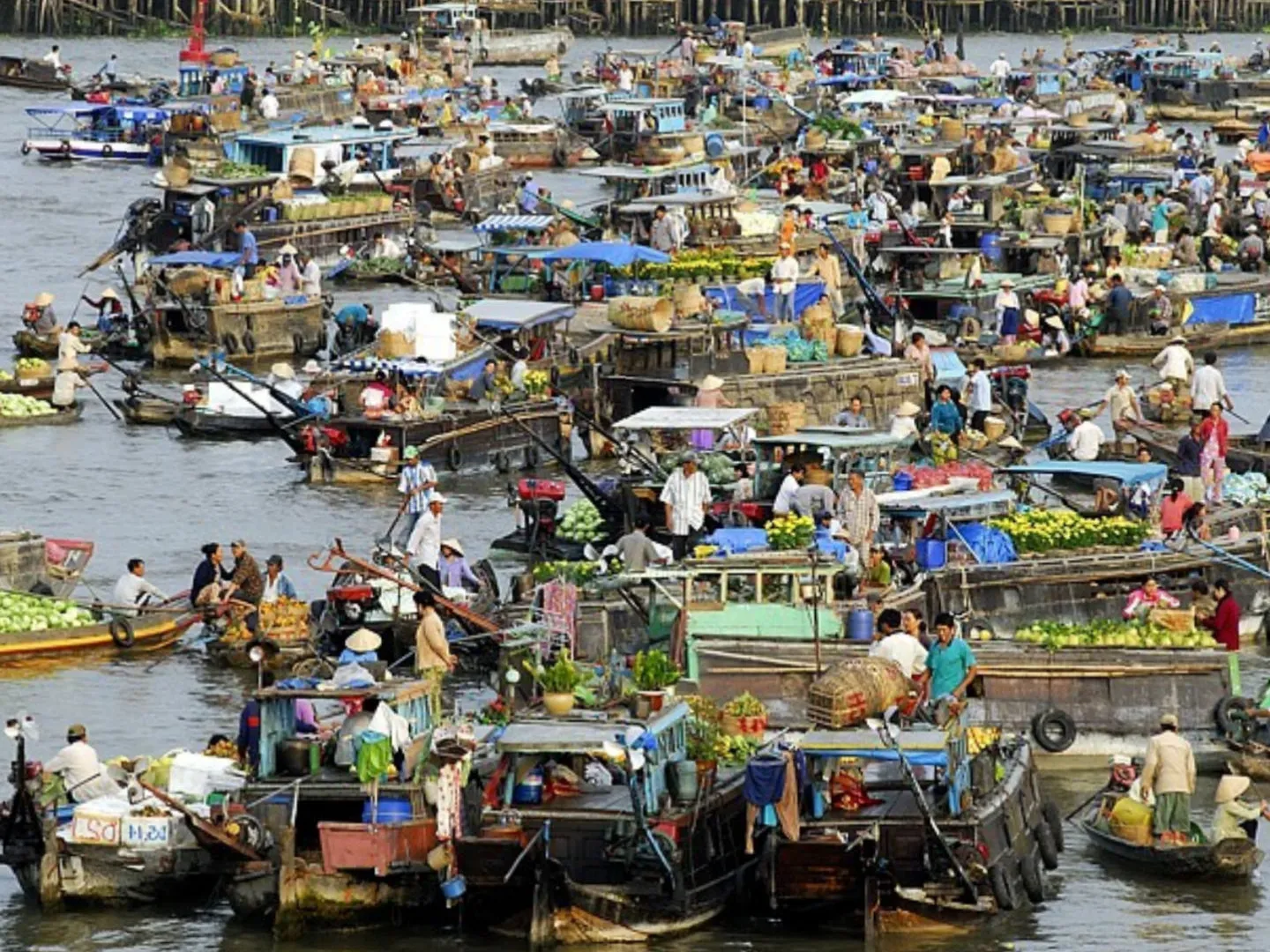
The market is extremely active from 5:00 AM and begins to disperse around 9:00 AM, so arriving early is essential. The only way to access it is by hiring a private or shared boat from Ninh Kieu Wharf, a journey that takes about 30–45 minutes along the river.

Do you have to pay an entrance fee, or how much does the visit cost?

Entry to the market itself is free because it is a public trading space on the river. However, you will need to pay for the boat rental, which usually ranges from 200,000 VND to 500,000 VND (8–20 USD), depending on the size of the boat and your bargaining skills.

How much time should I set aside to see the whole market?

A standard visit usually lasts between 3 and 4 hours. This gives you enough time to sail from central Can Tho, explore the market at a relaxed pace, have breakfast on board, and return before the midday heat becomes overwhelming.

What historical or cultural significance does this market have for Vietnam?

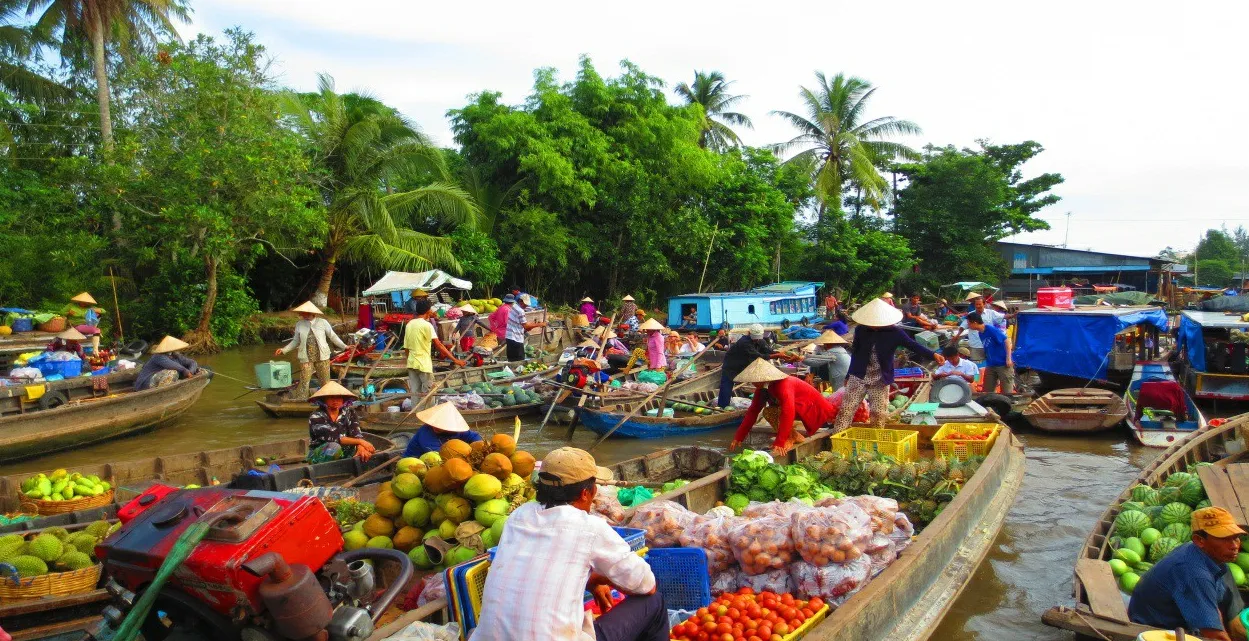
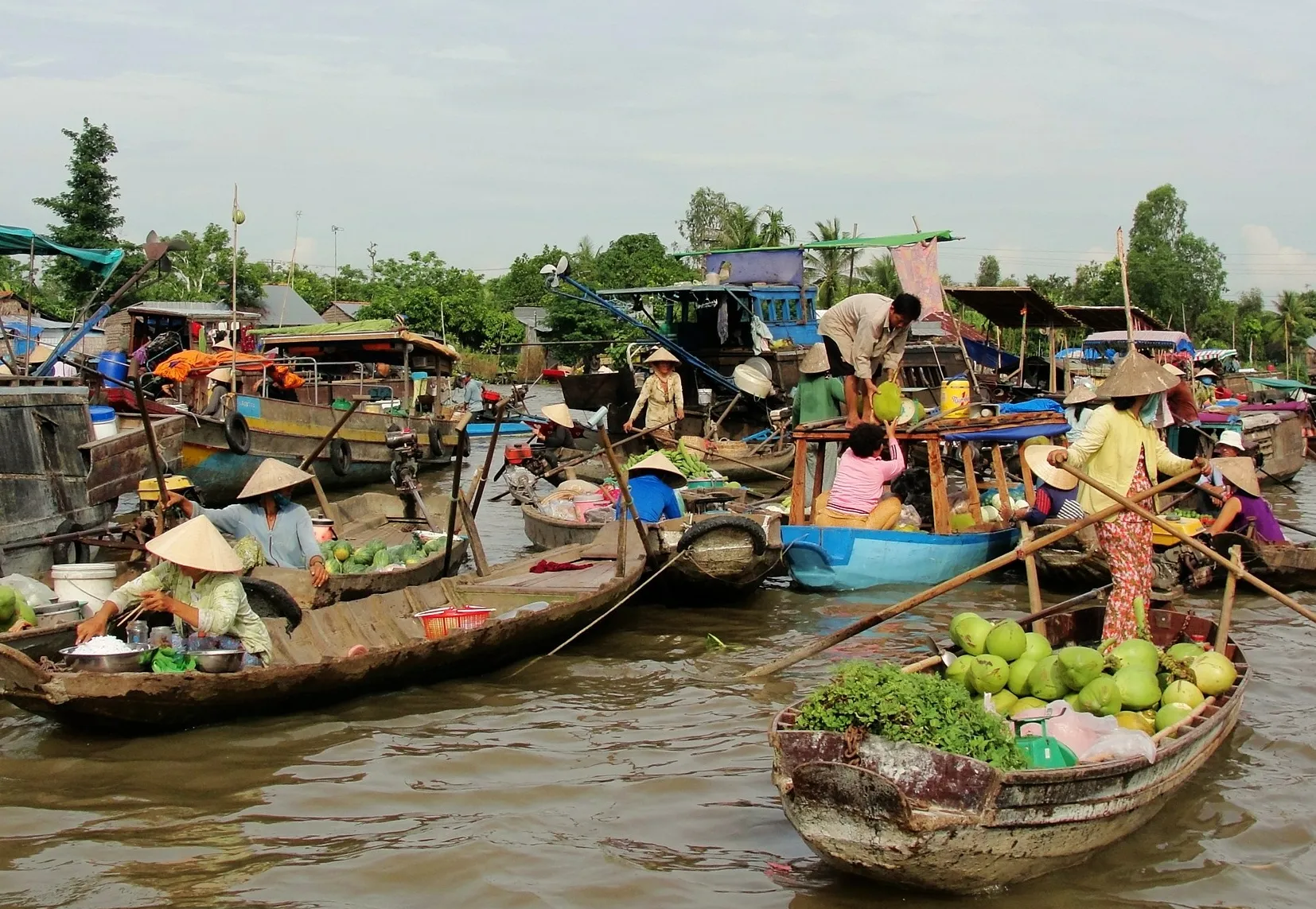
It is the largest floating market in the Mekong Delta and has been recognized as National Intangible Cultural Heritage. Its unique feature is the 'cay beo,' a bamboo pole on each boat where sellers hang samples of the products they offer, such as watermelons and pineapples, so they can be seen from afar.

What is the best time of year and time of day to visit?

The golden window is between 5:30 AM and 6:30 AM, when the sun rises and hundreds of boats gently bump together in the middle of trade. The best season is during the dry season (December to April) or during fruit season (June and July) to see the widest variety of produce.

Is access difficult for people with reduced mobility?

To be honest, accessibility is a challenge here. Getting on and off the sampans (small boats) requires balance and steady footing, as there are no adapted ramps and the river is usually moving, so it is not recommended for wheelchairs without specialized assistance.

What other interesting places can I visit nearby?

Many tours combine the market with a stop at a local rice noodle factory or fruit orchards such as Ba Cong. You can also visit Binh Thuy Ancient House after returning to dry land.

What practical advice would you give me to make the most of the visit?

Do not eat breakfast at the hotel; the real experience is ordering a bowl of bun rieu (noodle soup) or an iced Vietnamese coffee from the kitchen boats that come alongside you. Bring cash (Vietnamese dong) in small bills, as transactions on the river are quick and cards are not accepted.

¿Prefieres escuchar en español?

🇪🇸 Escucha la audioguía de Cai Rang Floating Market en español