No te vayas sin conocer la historia Suscribete
IAudioGuia iaudioguia
Audio Guides of Atlantida

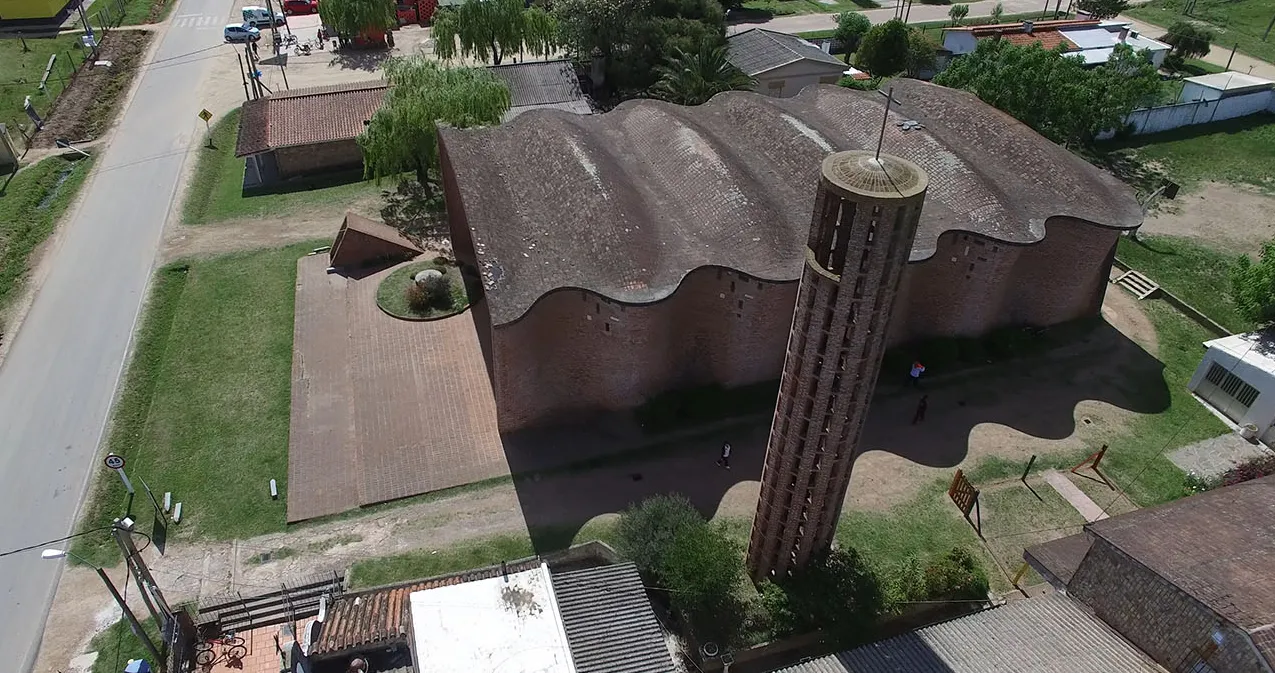
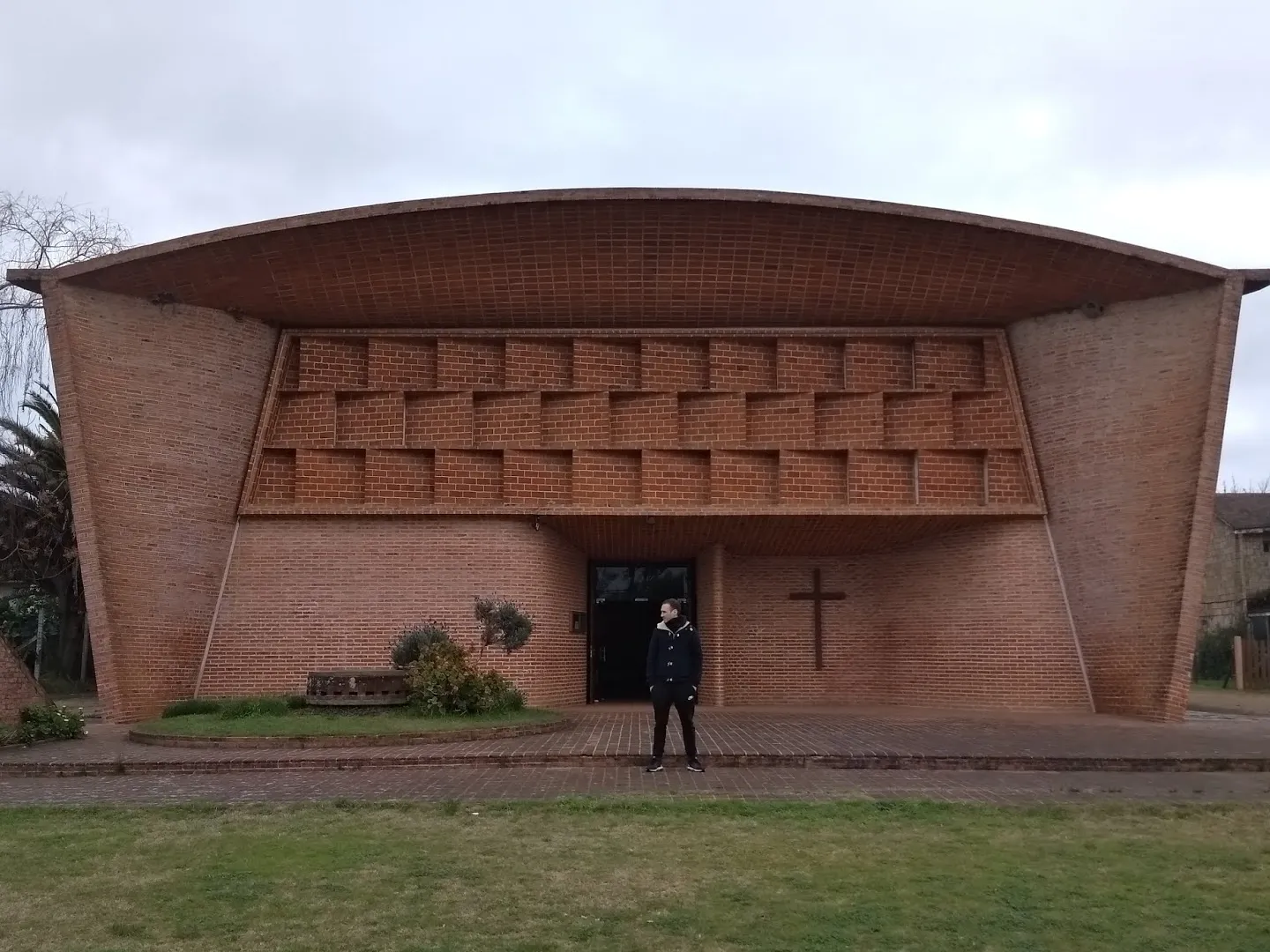
Audio Guide of Church of Christ the Worker

A masterpiece of modern architecture that blends Brutalism with spirituality, leaving an unforgettable mark on Uruguay's landscape.

✓ What guidebooks don't tell you
✓ Secrets other tourists miss
✓ Listen while you explore
Discover everything
00:00
00:00
Rate this audio guide

📖 Audio Guide Chapters

6 chapters

1. Introduction and History

🔒 Premium Content

Subscribe to access all chapters of this audio guide.

2. Architecture and Design

🔒 Premium Content

Subscribe to access all chapters of this audio guide.

3. Art and Decoration

🔒 Premium Content

Subscribe to access all chapters of this audio guide.

4. Historical Figures

🔒 Premium Content

Subscribe to access all chapters of this audio guide.

5. Curiosities and Legends

🔒 Premium Content

Subscribe to access all chapters of this audio guide.

6. Cultural Importance and Legacy

🔒 Premium Content

Subscribe to access all chapters of this audio guide.

❓ Frequently Asked Questions

What are the visiting hours for the Church of Christ the Worker, and how can I get there?

The Church of Christ the Worker is open from Tuesday to Sunday, generally from 10:00 a.m. to 6:00 p.m., although we recommend confirming the exact schedule on the official Uruguay Tourism website or by contacting them directly. It is located in the town of Estación Atlántida, about 45 km from Montevideo, and can be reached by car or intercity bus.

Is there an admission fee to visit the Church of Christ the Worker, or is it free?

Visiting the Church of Christ the Worker is completely free, making it an excellent cultural option at no cost. However, voluntary donations are accepted for the maintenance and preservation of this valuable architectural heritage site.

How much time should I allow to fully appreciate the Church of Christ the Worker?

To fully appreciate the Church of Christ the Worker and its distinctive architecture, we recommend allowing at least 45 minutes to one hour. This will give you enough time to admire its unique design, the details of its walls, and the serene atmosphere of the place without rushing.

What is the history behind this church, and why is it so special?

The Church of Christ the Worker was built between 1958 and 1960 by engineer Eladio Dieste, using exposed brick and the revolutionary reinforced ceramic vaults. Its importance lies in being a masterpiece of modern architecture, recognized worldwide and even declared a UNESCO World Heritage Site.

Is there a best time of day or year to visit the Church of Christ the Worker?

The best time to visit the church is during mid-morning or in the afternoon, when natural light enhances the beauty of its brick structure. As for the time of year, spring (September to November) and autumn (March to May) offer more pleasant temperatures, although the church is impressive in any season.

Is the Church of Christ the Worker accessible for people with reduced mobility?

Although the church does not have specific ramps at all of its entrances, the main structure is fairly accessible at ground level. The key areas can be navigated by wheelchair users, but for specific accessibility details, we suggest contacting the parish directly at +598 43720050 before your visit.

Are there other tourist attractions near the Church of Christ the Worker to complement my visit?

Yes, Estación Atlántida and its surroundings offer other attractions. You can explore the nearby seaside city of Atlántida with its beaches, visit the Pablo Neruda House Museum (subject to confirmation of opening), or enjoy the tranquility of the rural area of Canelones.

What practical tips would you give me to make the most of my visit to the Church of Christ the Worker?

We recommend bringing your camera, as Dieste's architecture is highly photogenic. Dress comfortably and consider bringing water, especially in the warmer months. If you are interested in architectural details, it is worth reading about Dieste and his technique beforehand to appreciate the genius of this work even more. And do not forget to show respect, as it is a place of worship.

¿Prefieres escuchar en español?

🇪🇸 Escucha la audioguía de Church of Christ the Worker en español