A journey into the past through the ruins of a city that was Roman, Visigothic, and medieval, revealing centuries of history in every stone.
Idanha-a-Velha does not have opening or closing hours like a museum, as it is an inhabited historic village. You can visit at any time of day. It is located in the municipality of Idanha-a-Nova, near Monsanto, and the best way to get there is by car. Parking is available near the main points of interest.
A visit to Idanha-a-Velha is completely free! You can stroll through its streets, explore the archaeological remains, and enjoy its historic charm at no cost. Some specific areas, such as the Roman Forum or the Old Cathedral (when open for interior visits), may have a small fee or restricted hours, but the essence of the site is freely accessible.
To explore Idanha-a-Velha thoroughly and enjoy its atmosphere, we recommend setting aside at least 2 to 3 hours. This will allow you to walk through its streets, visit the most important archaeological sites such as the Amphitheatre and the Cathedral, and perhaps have a coffee or a lemonade at one of its establishments.
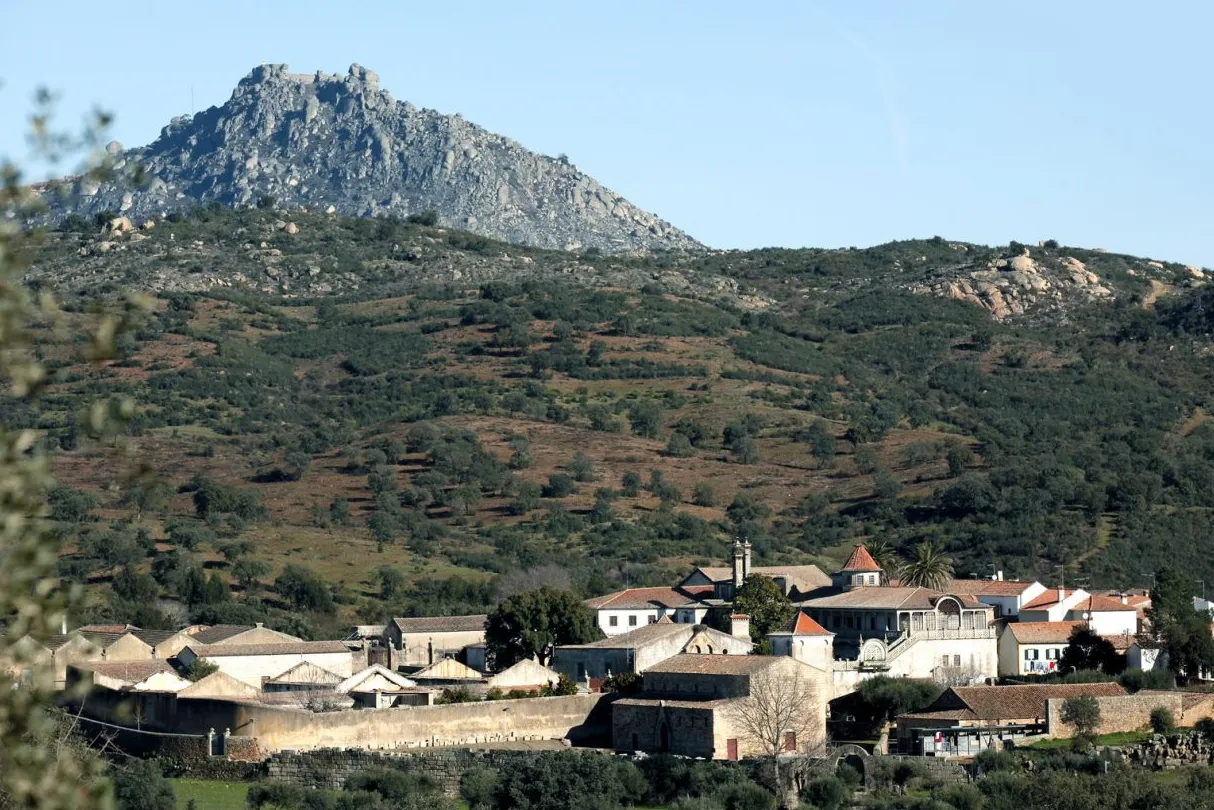
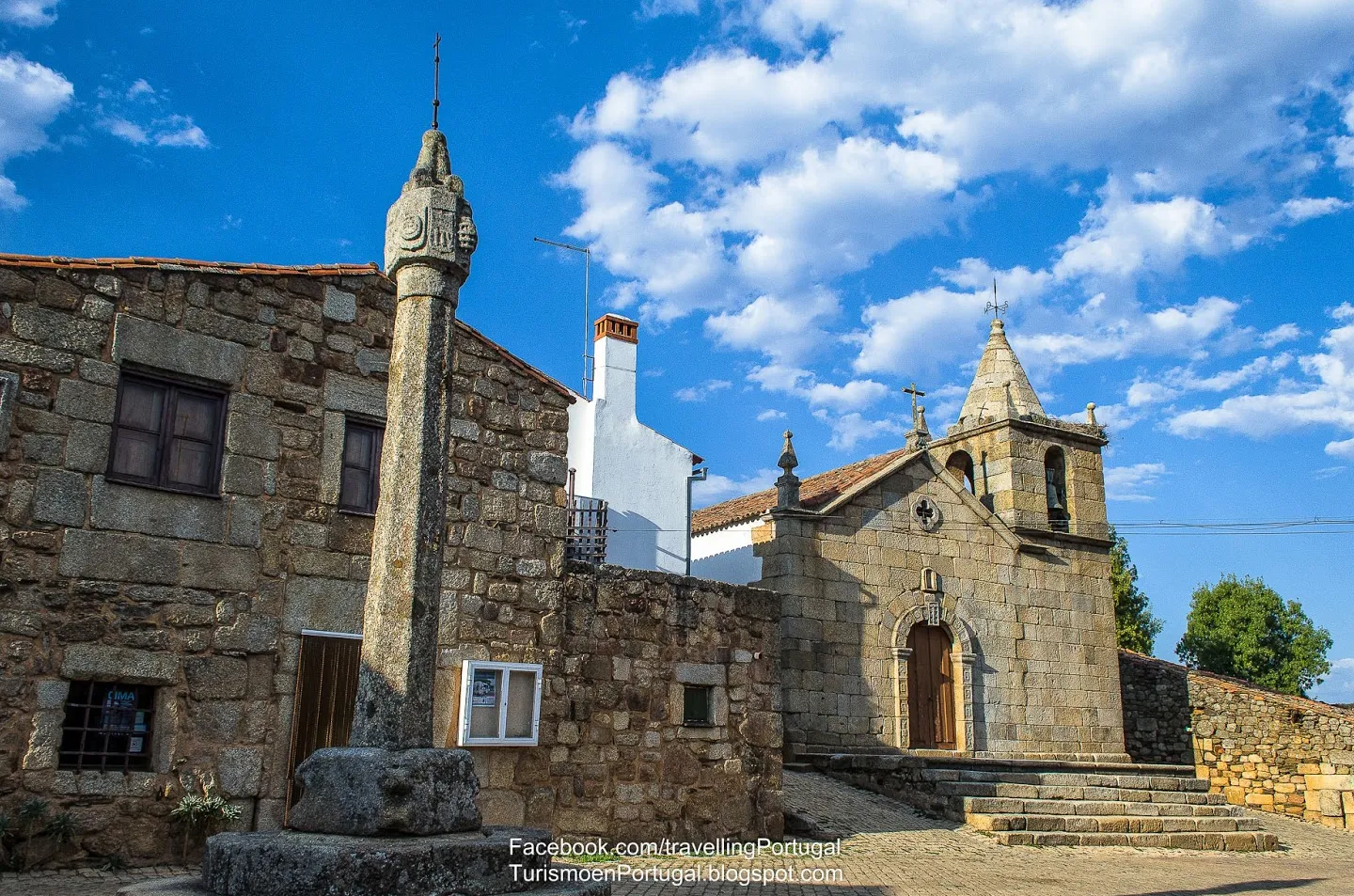
Idanha-a-Velha, the ancient Roman Egitania, has an impressive millennia-old history. It was an important Roman and Visigothic city and, for a time, an episcopal seat. Its ruins and church preserve the secrets of several civilizations, making it a true open-air museum that tells the story of the evolution of Portugal’s borderlands. It stands as testimony to the Christianization of the Iberian Peninsula and the continuity of settlement in the same place.
The best time to visit Idanha-a-Velha is during spring (April to June) or autumn (September to October). Temperatures are milder, ideal for walking and exploring outdoors, and the landscape is especially beautiful. In summer it can be very hot, and in winter it may be colder and rainier.
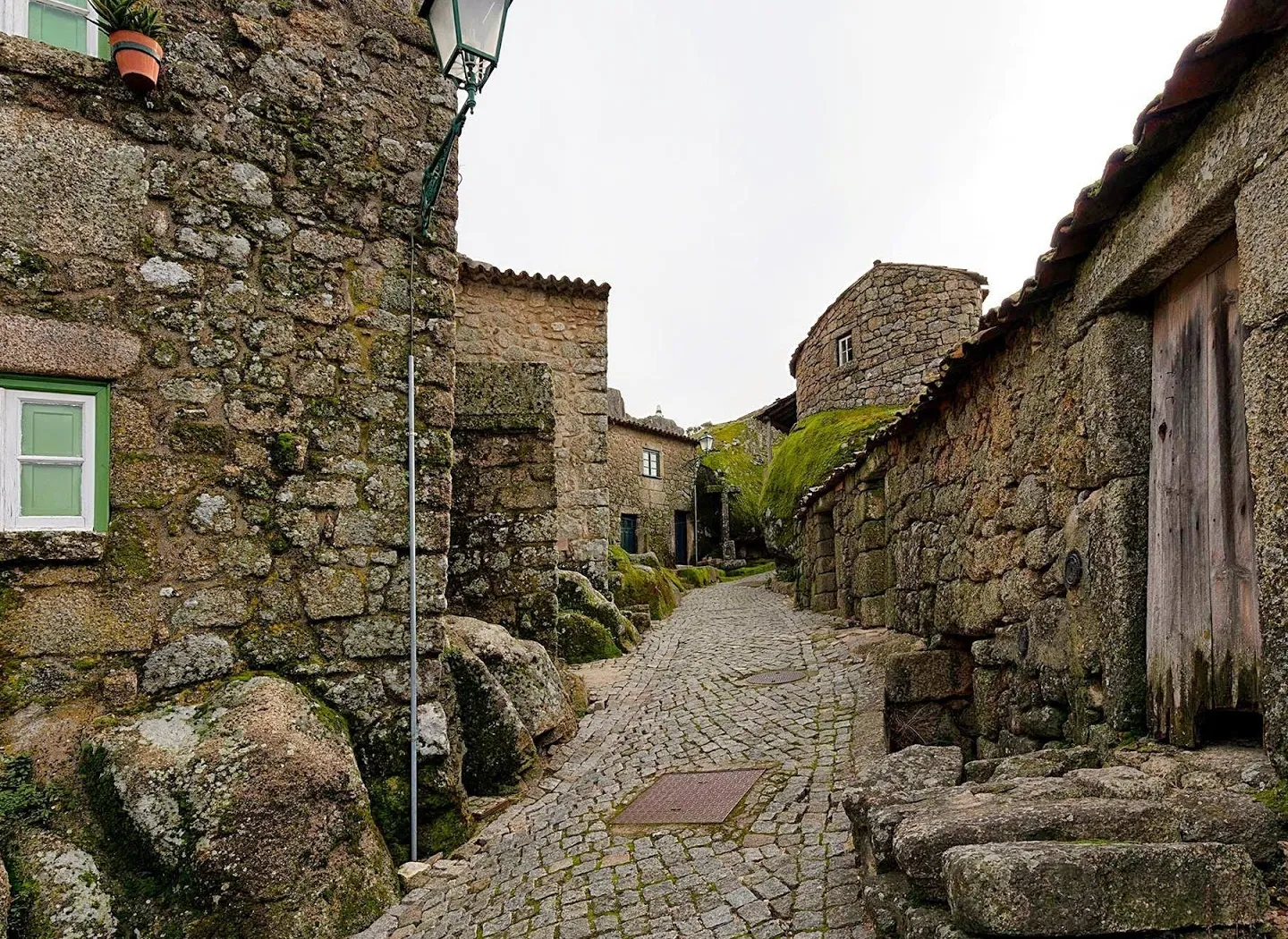
Much of Idanha-a-Velha, being an ancient village with cobbled streets and uneven terrain, presents challenges for people with reduced mobility. However, some main areas such as the village center and the access routes to the Old Cathedral may be more accessible. It is recommended to contact the Interpretation Centre for more detailed information: Telephone: +351 277 202 900 (local business hours).
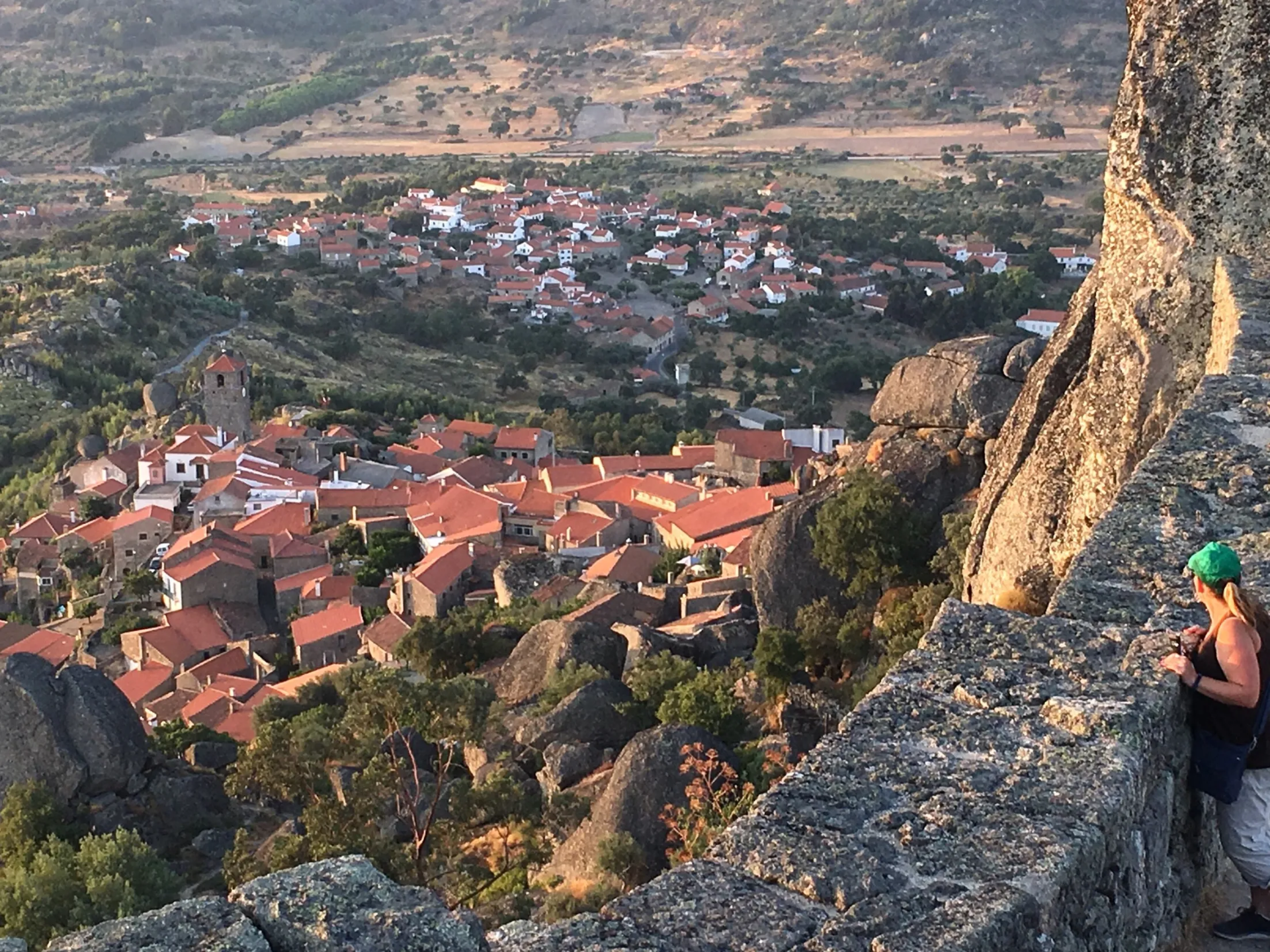
Very close to Idanha-a-Velha is Monsanto, known as 'the most Portuguese village in Portugal,' with its houses wedged among rocks and its imposing castle. You can also explore the charming village of Penha Garcia with its castle and dinosaur footprints, or enjoy the beauty of the Tagus International Natural Park. The area is full of historical and natural treasures!
Of course! I recommend wearing comfortable shoes for walking on the cobbled streets. Don’t forget your camera to capture the beauty of the place and, in summer, a hat, sunglasses, and water. Consider starting your visit at the Interpretation Centre; it will give you an excellent overview. And of course, try the local cuisine! For more details, you can visit the region’s official tourism website: Visit Centro de Portugal.
¿Prefieres escuchar en español?
🇪🇸 Escucha la audioguía de Idanha-a-Velha en español