No te vayas sin conocer la historia Suscribete
IAudioGuia iaudioguia
Audio Guides of Nagano

Audio Guide of Jigokudani Monkey Park

¿Sabías que en Japón hay monos que van al spa termal como si fueran ejecutivos estresados? ¡Ven, te cuento los chismes que solo un local conoce!

✓ What guidebooks don't tell you
✓ Secrets other tourists miss
✓ Listen while you explore
Discover everything
00:00
00:00

📖 Audio Guide Chapters

6 chapters

1. The Simian Jacuzzi Takeover of 1964

🔒 Premium Content

Subscribe to access all chapters of this audio guide.

2. Treacherous Steam in Hell Valley

🔒 Premium Content

Subscribe to access all chapters of this audio guide.

3. Alpha Crowns, Snowy Romance, and Social Backstabbing

🔒 Premium Content

Subscribe to access all chapters of this audio guide.

4. Shameless Thefts and Habits That Never Make Instagram

🔒 Premium Content

Subscribe to access all chapters of this audio guide.

5. Flying Babies and Scars That Speak

🔒 Premium Content

Subscribe to access all chapters of this audio guide.

6. The Snowy Spell You Will Never Forget

🔒 Premium Content

Subscribe to access all chapters of this audio guide.

❓ Frequently Asked Questions

What time does the park open, and how can I get there to see the monkeys?

Jigokudani Monkey Park is usually open from 8:30 to 17:00 in summer (April to October) and from 9:00 to 16:00 in winter (November to March). To get there, the most common option is to take the express train from Nagano to Yudanaka Station, then a bus to the Kanbayashi Onsen stop, which is the starting point for a 30–40 minute walk to the park. You can check exact schedules and routes on the park's official website.

How much is admission to the park, or is it free?

Admission to Jigokudani Monkey Park is not free. The cost is 800 yen for adults and 400 yen for children (ages 6 to 12). No advance reservation is required, and you can buy tickets directly at the park entrance.

How long does it usually take to see the whole park and the monkeys enjoying the hot springs?

We recommend setting aside at least 1.5 to 2 hours for your visit. This includes the time for the walk to and from the entrance, as well as plenty of time to watch the monkeys interacting, bathing, and simply being themselves in their natural environment.

Is there a special story or reason why the monkeys bathe in these hot springs?

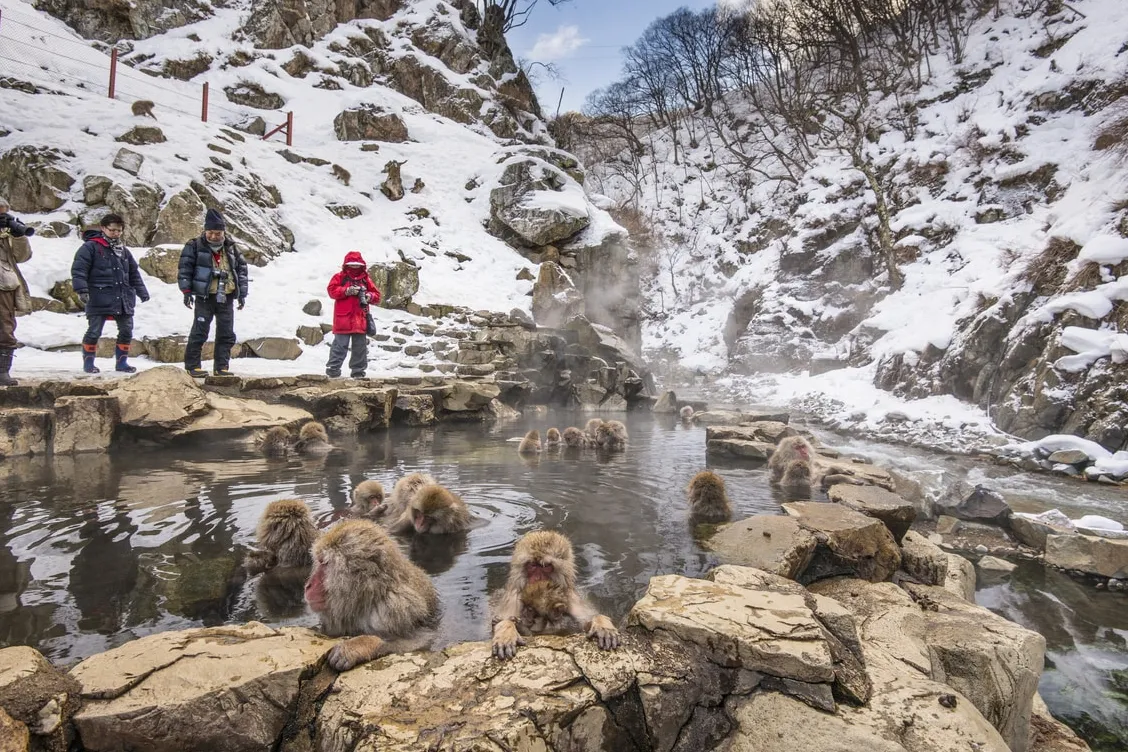
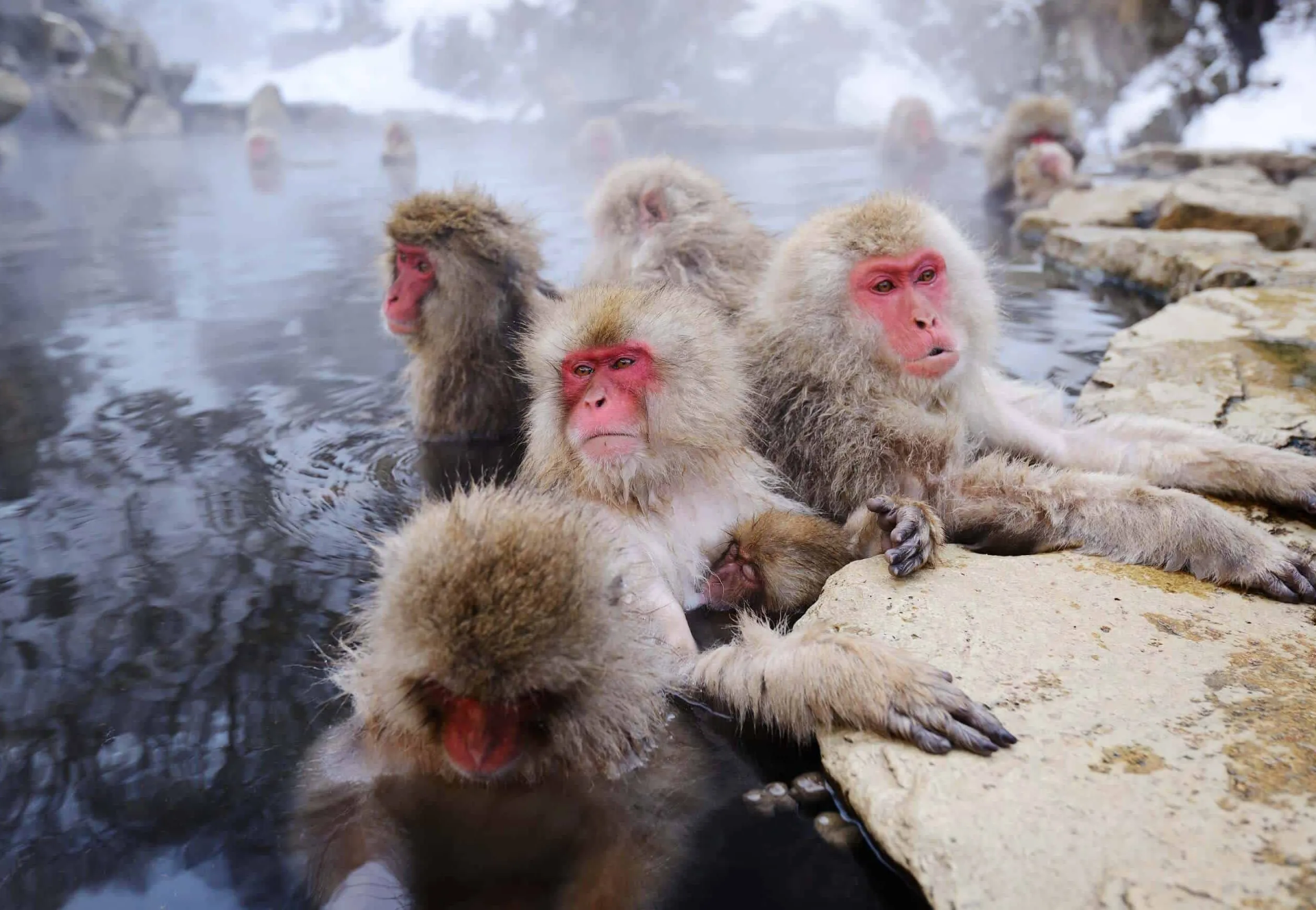
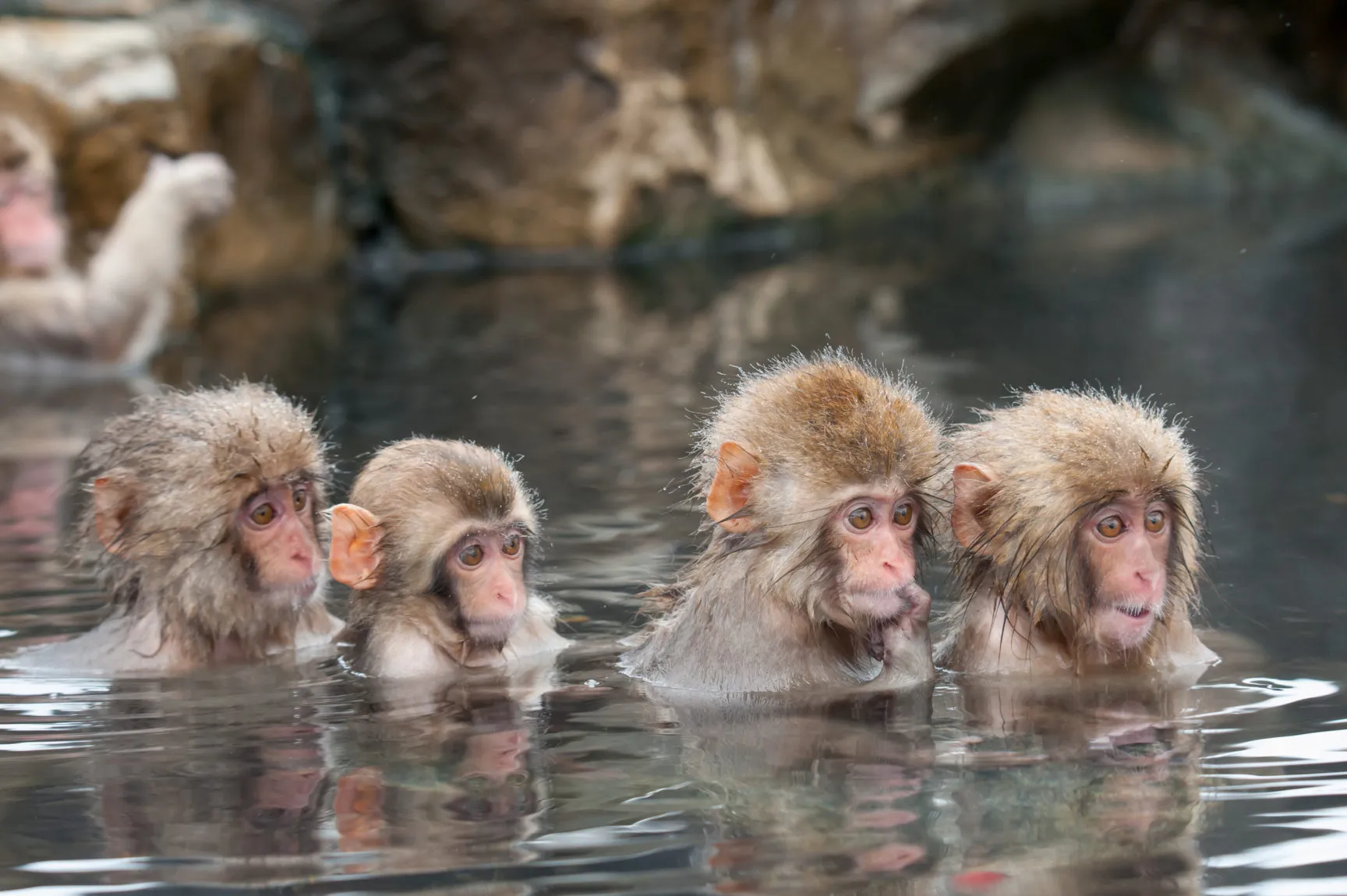
Absolutely! The story is fascinating. Although Japanese macaques are native to the area, they did not start using the hot springs regularly until the 1960s, when a young female macaque was seen getting into the pool to retrieve some soybeans she had dropped. Soon, other monkeys copied her, and over time it became an established habit, especially in winter to cope with the cold. The park was created to protect these monkeys and allow people to observe them in their natural habitat.

What is the best time of year or time of day to visit the park and see the monkeys?

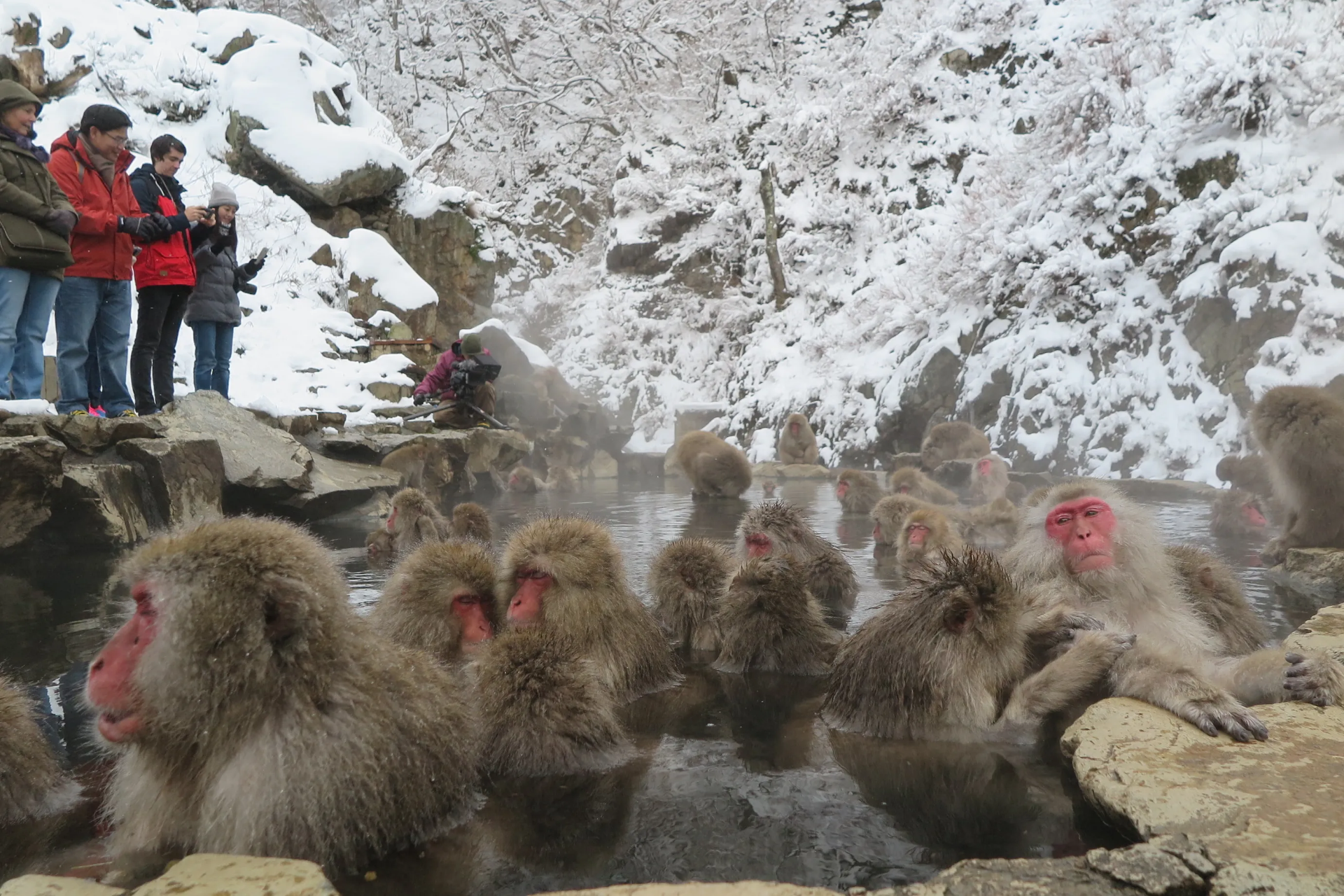
Winter (December to March) is without a doubt the most popular and spectacular time to visit, since seeing the monkeys in the snow and bathing in the hot springs is an iconic sight. However, you can see the monkeys at any time of year, and spring and autumn offer beautiful scenery. Early morning or late afternoon are usually the quietest times to avoid crowds, although the monkeys are active throughout the day.

Is the park accessible for people with reduced mobility or wheelchairs?

Unfortunately, Jigokudani Monkey Park is not fully accessible for people with reduced mobility or wheelchairs. The trail from the bus stop to the park is an unpaved path, often slippery, with some slopes and steps, especially in winter. It is not recommended for people with severe mobility difficulties. For more details, you can check the access section on the official website.

Is there anything else interesting to see or do around the park? I don’t want to go just for the monkeys.

Absolutely! The Nagano region is full of charm. Near the park, you can explore the traditional inns (ryokan) and hot spring baths (onsen) of Kanbayashi Onsen and Yudanaka Onsen. You can also visit Ganshoin Temple and the Hokusai Museum in the nearby town of Obuse, or enjoy the local cuisine. For history lovers, Zenko-ji Temple in Nagano is a must-see.

Any practical tips to make the most of my visit and have a great experience with the monkeys?

Of course! First, wear comfortable, suitable walking shoes, especially in winter. Dress in layers, as temperatures can vary. Remember that feeding or touching the monkeys is not allowed; keep a respectful distance. And above all, enjoy the moment! Observe their natural behavior and take home some amazing photos. If you have questions, you can check the rules on the park website or ask the staff.

¿Prefieres escuchar en español?

🇪🇸 Escucha la audioguía de Jigokudani Monkey Park en español