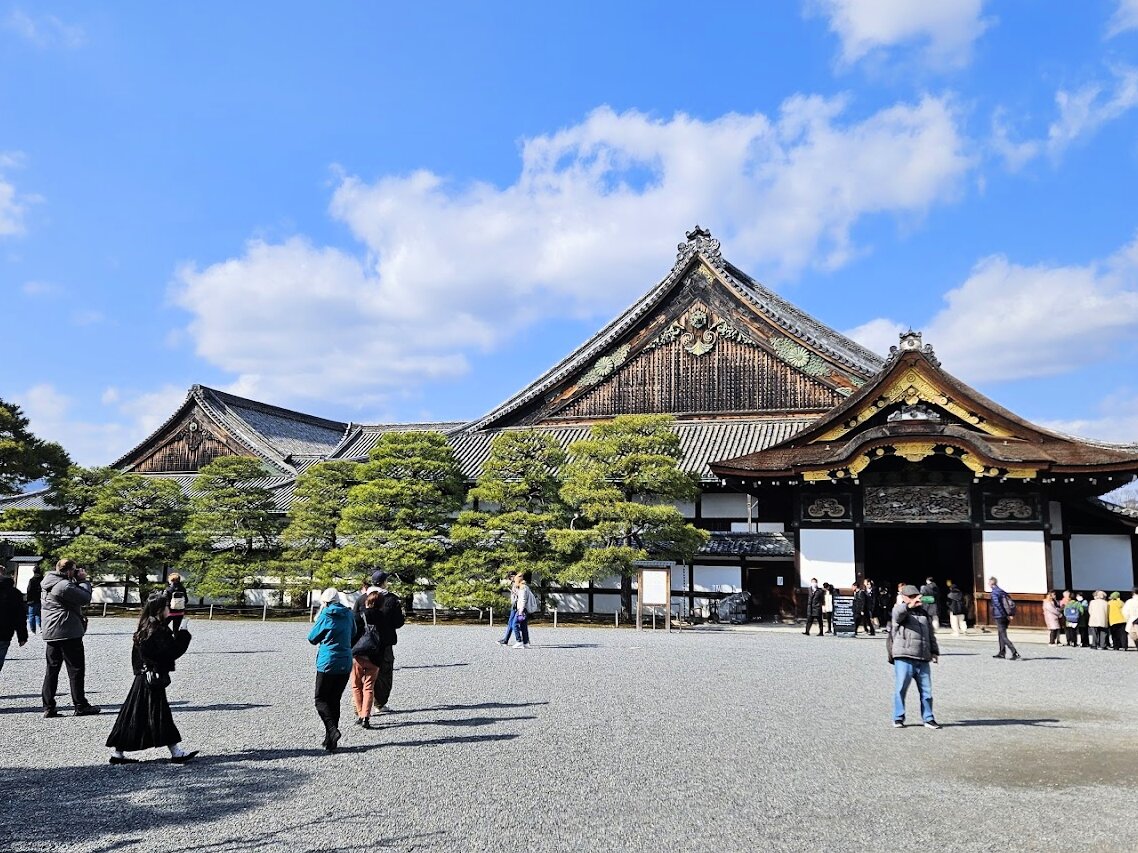
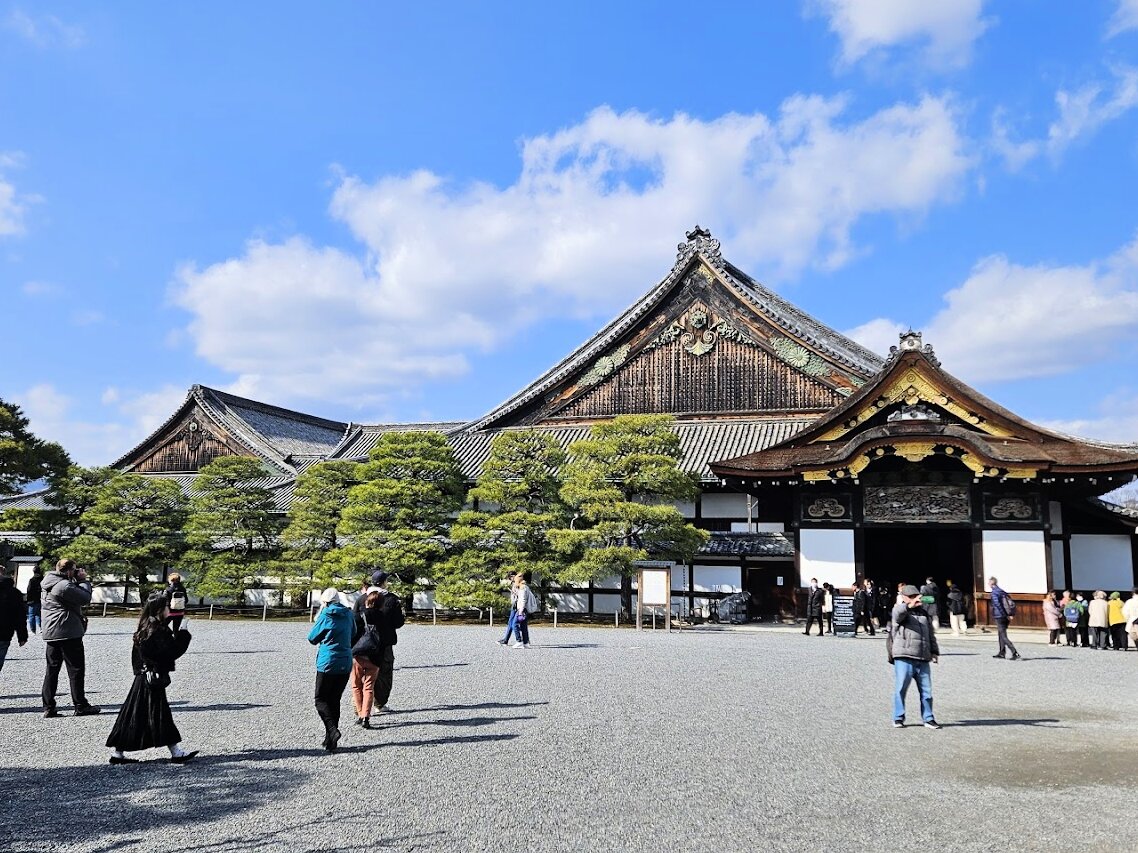
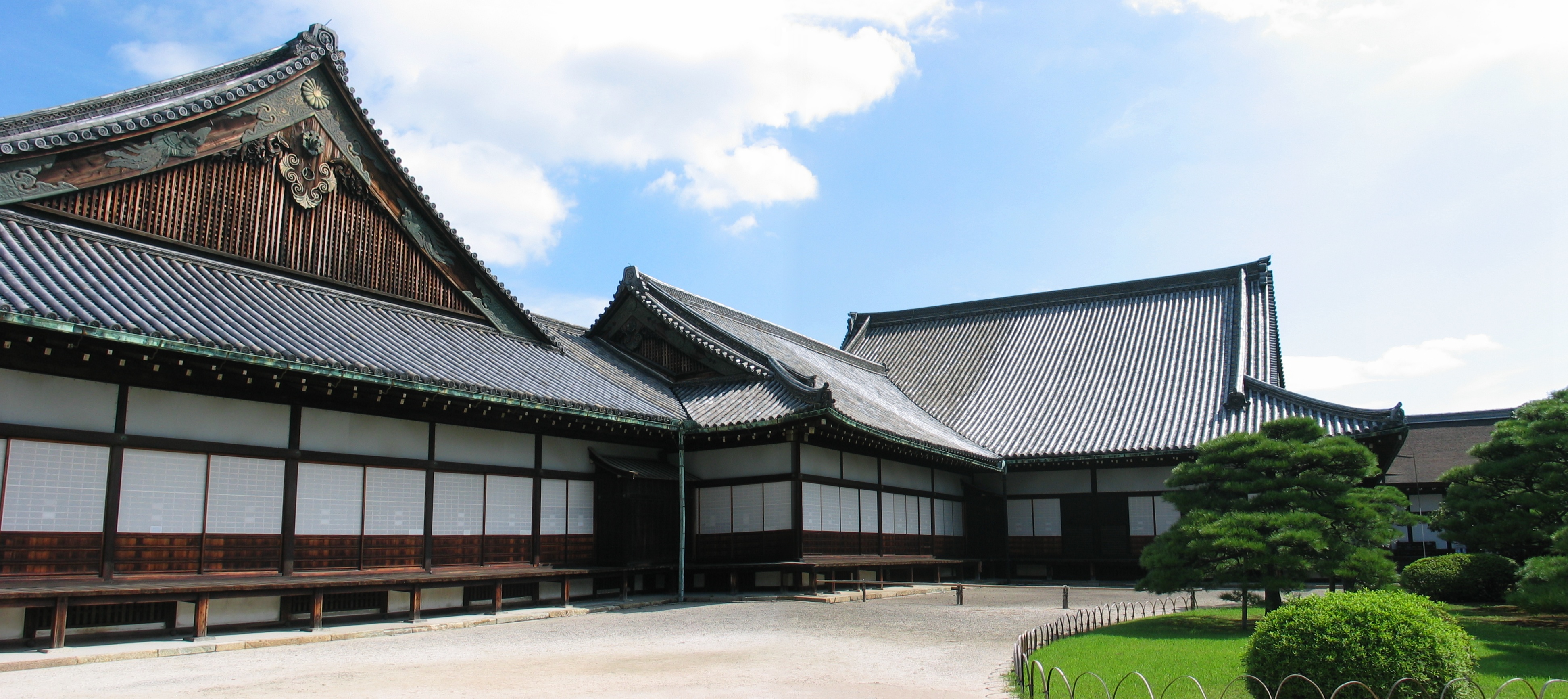
A Japanese architectural jewel, home of shoguns and witness to key moments in the nation’s history.
Nijo Castle is generally open from 8:45 a.m. to 5:00 p.m. (last admission at 4:00 p.m.), although opening hours may vary. I recommend checking the official website to confirm them. The easiest way to get there is by subway, getting off at Nijojo-mae Station (Tozai Line). It is a convenient and quick way to begin your visit. You can find more access details on the official Nijo Castle website.
General admission to Nijo Castle costs 1,300 yen. There are reduced rates for students and children, so don’t forget to ask if you qualify. Keep in mind that if you want to enter Ninomaru Palace, the combined ticket may be a more worthwhile option and could save you some money. You can check updated prices in the fares section of the official website.
To fully enjoy Nijo Castle and explore Ninomaru Palace, the gardens, and the moats at a relaxed pace, I recommend setting aside at least 2 to 3 hours. If you enjoy photography or simply want to soak up the atmosphere, you might want to stay a bit longer. Don’t underestimate it—the site has a lot to offer.
Absolutely! Nijo Castle was built in 1603 as the Kyoto residence of the first Tokugawa shogun, Tokugawa Ieyasu, marking the beginning of the Edo period. It is famous for the “nightingale floors” in Ninomaru Palace, designed to chirp and warn of intruders. It was in this castle that the last shogun, Tokugawa Yoshinobu, formally returned power to the Emperor in 1867, symbolizing the end of the shogunate and the beginning of the Meiji Restoration. It is a place where Japanese history can be felt in every corner. You can learn more about its history on the official website.
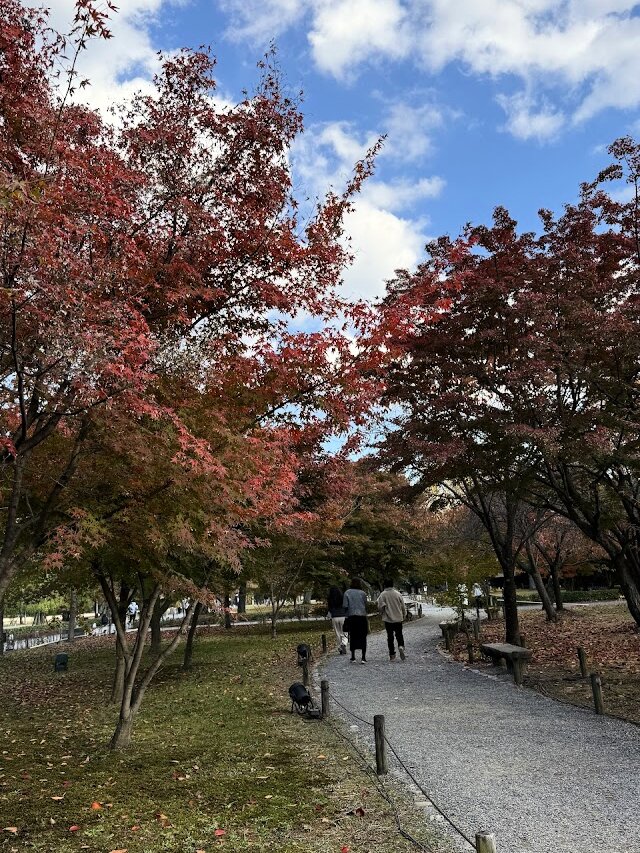
Spring (late March to early April) is spectacular because of the cherry blossoms, but it is also the busiest season. Autumn, with its vibrant colors, is another excellent option. To avoid the biggest crowds, I suggest visiting early in the morning (right at opening time) or late in the afternoon. Weekdays are usually less crowded than weekends. Festival periods or special events may attract more visitors, so check the calendar if you prefer to avoid crowds.
Nijo Castle has implemented measures to improve accessibility. The gardens and large sections of the grounds are fairly accessible, with paved paths. However, keep in mind that Ninomaru Palace, being a historic structure with narrow passageways and raised floors, may present challenges for wheelchair access, as visitors are required to remove their shoes and there are some steps. It is recommended to contact the castle administration directly for the most up-to-date and specific information about accessibility facilities. You can find contact information on the official website.
Kyoto is full of wonders, and from Nijo Castle you have several interesting options. Very nearby, you can visit Heian Shrine with its impressive red torii gate, or take a stroll through the gardens of the Kyoto Imperial Palace. If you are looking for something more modern, the shopping streets of Shijo and Kawaramachi are not far away and offer an excellent shopping and dining experience. Kyoto is full of surprises, so do a little research and tailor your visit to your interests!
My main advice is to wear comfortable shoes, since you will be doing a fair amount of walking through the gardens and Ninomaru Palace (where, by the way, you will have to remove your shoes). I also suggest considering renting an audio guide or downloading an app, as it will provide detailed information about the history and key points of interest. And don’t forget to stay hydrated, especially in summer. For a truly immersive experience, let your imagination run free and picture the life of the shoguns!
¿Prefieres escuchar en español?
🇪🇸 Escucha la audioguía de Nijo Castle en español