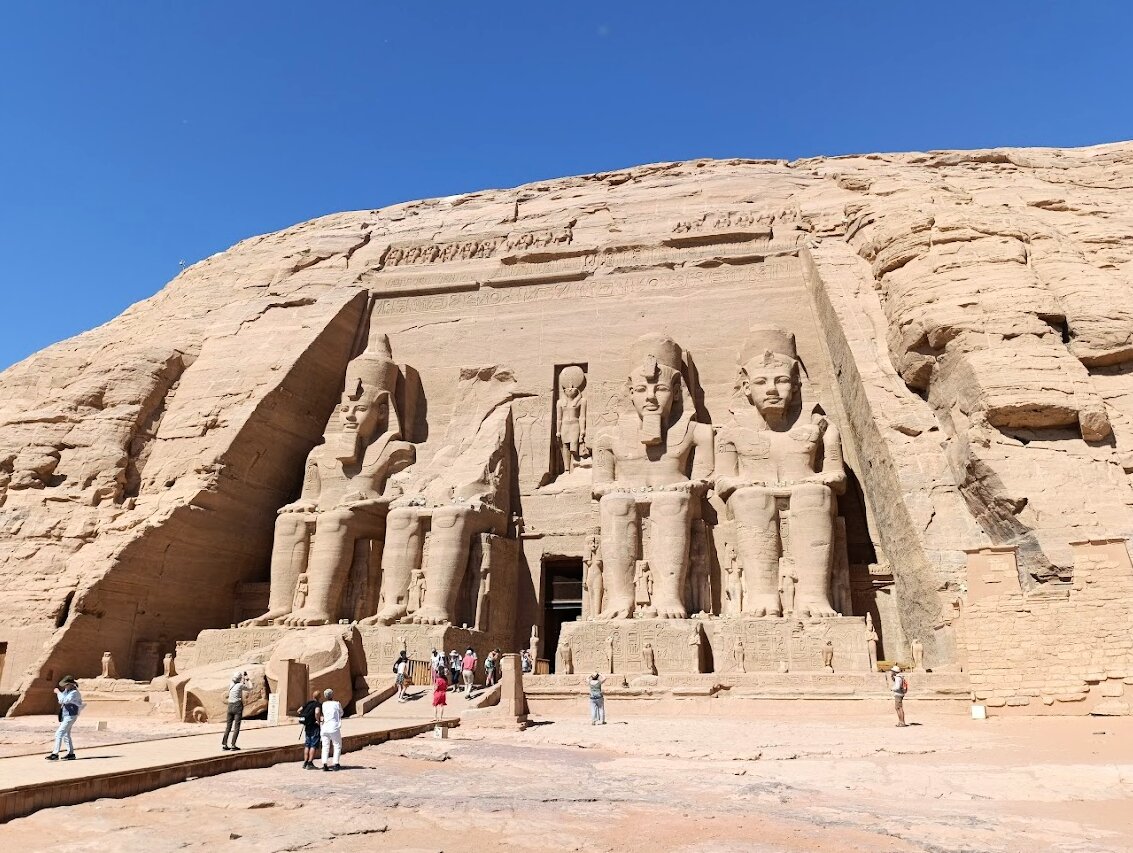
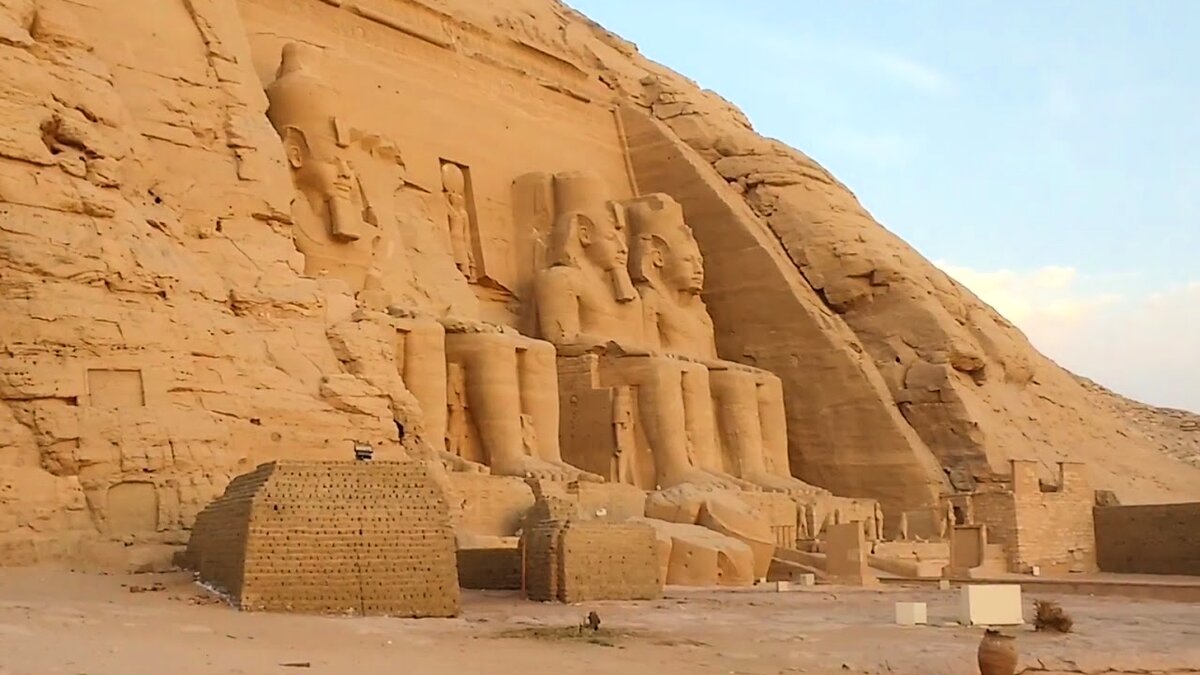
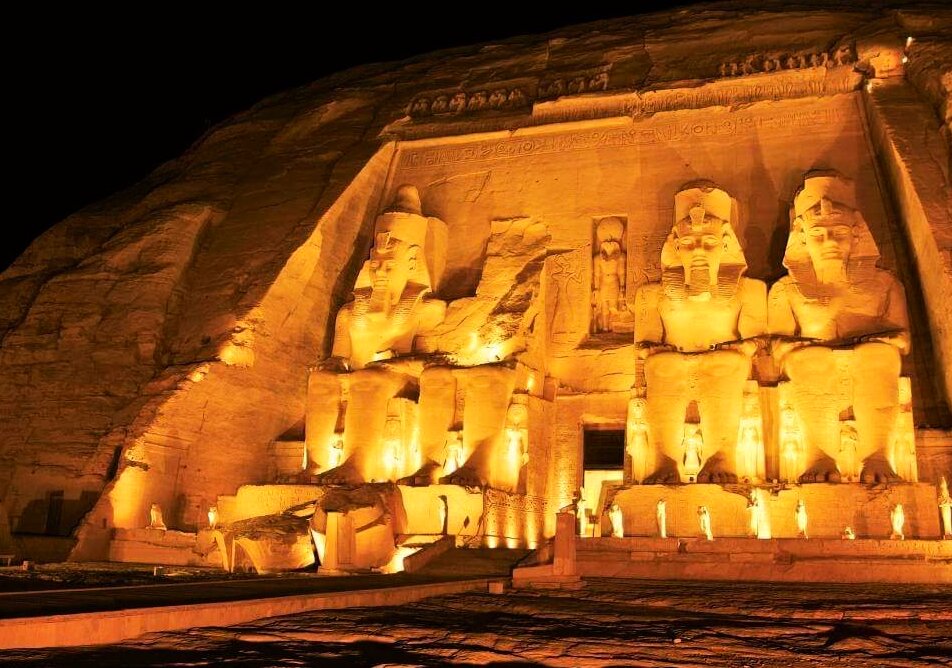
Imposing temples carved into the rock by Ramesses II in the 13th century BC, symbols of pharaonic power in Nubia, saved from flooding by a unique UNESCO project.
The temples of Abu Simbel are typically open from 6:00 AM to 5:00 PM, although it's advisable to confirm local hours, as they may vary seasonally. The most common way to arrive is from Aswan, either by a tourist bus that leaves early in the morning, by private taxi, or via a Nile cruise that includes the excursion. The road journey takes approximately 3 hours.
The admission price to the Abu Simbel temples for foreign tourists is 240 EGP (Egyptian pounds) for adults. Students with a valid ID usually receive a discount, paying 120 EGP. It's important to bring cash, as cards are not always accepted. Prices may change, so it's a good idea to consult the official website of Egypt's Ministry of Tourism and Antiquities.
To fully enjoy a visit to Abu Simbel, it's recommended to dedicate at least 2 to 3 hours. This will give you enough time to explore both temples (the one of Ramesses II and Nefertari's), admire the impressive architecture and reliefs, and learn about its fascinating history without rushing.
Abu Simbel is famous for being a complex of two temples carved into the rock during the reign of Pharaoh Ramesses II in the 13th century BC. Its importance lies not only in its monumentality and beauty, but also in the incredible UNESCO archaeological rescue in the 1960s. The temples were dismantled and relocated piece by piece to save them from the waters of Lake Nasser following the construction of the Aswan Dam, an unprecedented engineering achievement.
The best time to visit Abu Simbel is during the winter months (October to April), when temperatures are more pleasant. As for the time of day, it's recommended to go first thing in the morning, just after opening. This will not only allow you to avoid the tour crowds but also enjoy the dawn light on the facades, offering an impressive visual spectacle and cooler temperatures.
Access to the Abu Simbel temples can be challenging for people with reduced mobility. Although there are ramps in some areas, the terrain to reach the entrance is uneven and there are steps inside the temples. It's recommended to contact your tour operator or the site directly to learn about accessibility options and whether they can offer special assistance. It may be useful to visit the Google Maps street view to assess the terrain.
Since Abu Simbel is in a remote location, there aren't many attractions directly adjacent. However, the visit to Abu Simbel is often combined with a Nile cruise departing from Aswan, allowing you to explore other important temples such as Philae, Kom Ombo, and Edfu. Aswan itself offers much to see, such as the Unfinished Obelisk and the Aswan Dam. The overall experience is the journey there and what the city of Aswan has to offer.
Of course! Bring plenty of water, sunscreen, and a hat, as the heat can be intense. Comfortable walking shoes are essential. If you're traveling on an organized tour, make sure they include enough time for the visit and transportation. Consider hiring a local guide on site to gain a deeper understanding of the history and details of the temples — it's worth it! And don't forget your camera; the photos are spectacular.
¿Prefieres escuchar en español?
🇪🇸 Escucha la audioguía de the Abu Simbel Temples en español