Donde el agua esconde secretos indígenas, osos borrachos y un puente que sabe a aventura
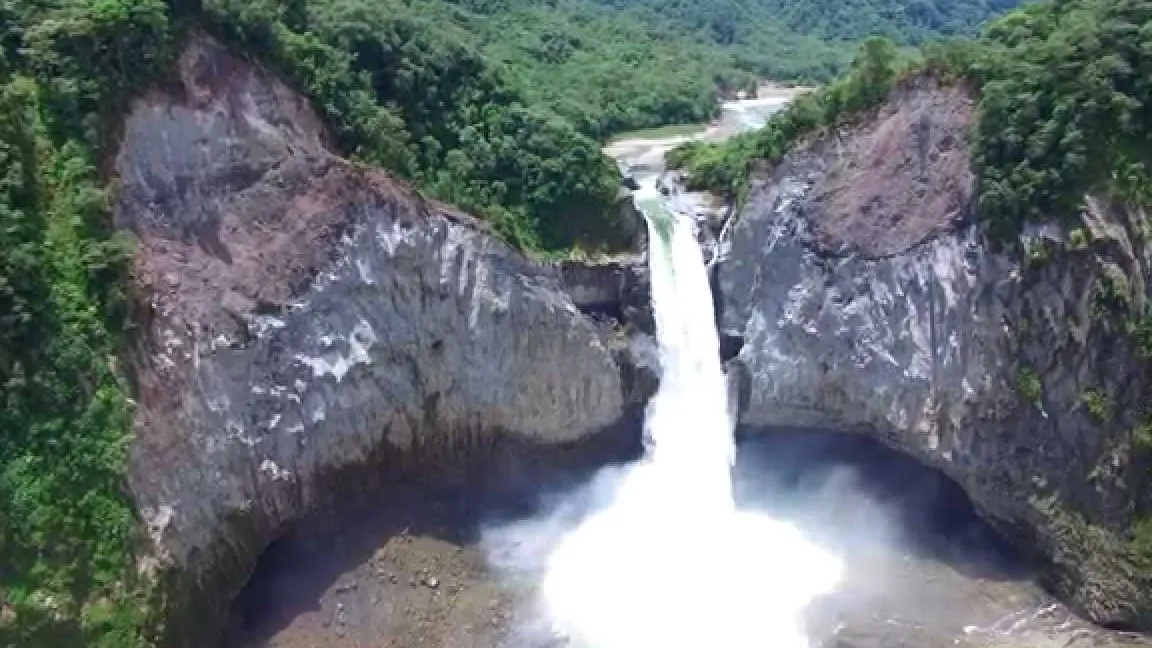
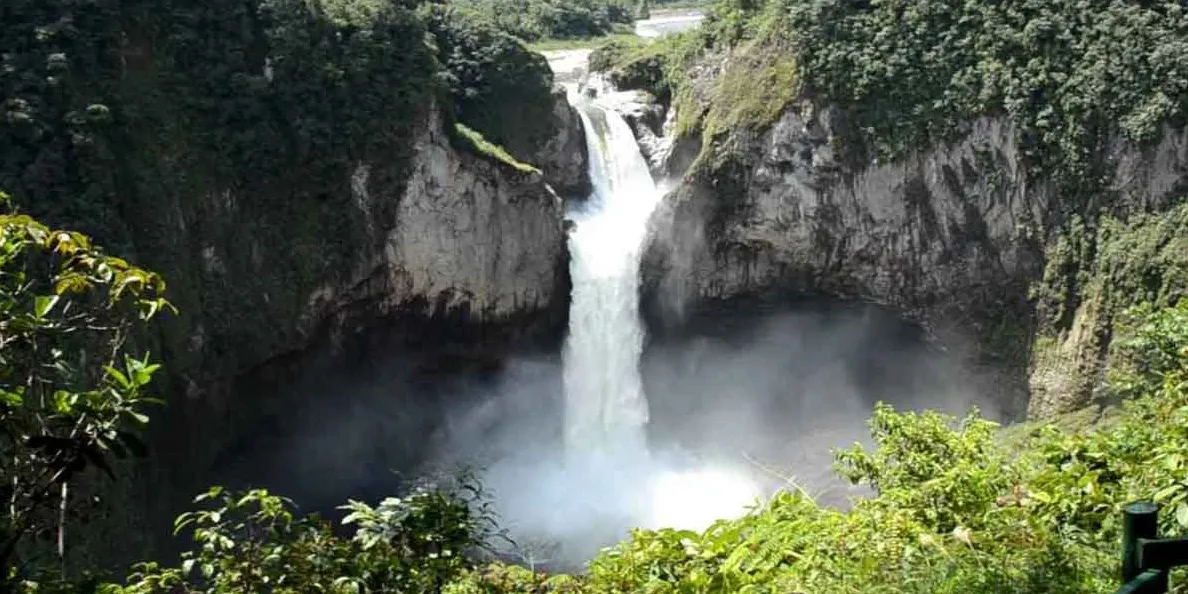
San Rafael Waterfall has undergone significant changes. Currently, direct and safe access to the main waterfall is restricted due to subsidence in the riverbed that caused its original disappearance. However, there are viewing points available. For updated information on opening hours and access to these viewpoints, we recommend checking directly with Ecuador’s Ministry of the Environment or local tour operators in Macas. In the past, it was about a 30–45 minute drive from Macas via the Macas–Puyo road. You can find more details in local news by searching for 'San Rafael Waterfall Ecuador'.
Traditionally, visiting the viewpoints near what used to be San Rafael Waterfall did not involve a direct entrance fee. However, if you choose organized tours that include transportation or specialized guides to explore the surrounding area, these will have a cost. It is important to check in advance whether any of the current viewing areas have introduced a small maintenance or access fee.
The length of your visit will depend on the access point and the activities you want to do. If you only plan to reach the viewpoints to observe the area where the waterfall once stood, about 1 to 2 hours, including the walk from the main road, would be enough. If you are interested in exploring nearby trails or enjoying the surrounding nature, you could extend your visit to half a day or more.
San Rafael Waterfall was Ecuador’s largest and most majestic waterfall, nearly 150 meters high, formed by the confluence of the Quijos and Salado rivers. Its disappearance in 2020 due to a natural sinkhole was a major geological event that drastically altered the landscape and drew worldwide attention to geological processes and the impact of human activity on the environment. It was considered a natural icon and a tourism jewel. You can read more about its disappearance and the current site in articles such as this: National Geographic: Ecuador's largest waterfall disappeared.
San Rafael Waterfall was located in an area with heavy rainfall. Although it can be visited year-round, the dry season (roughly June to September) may offer more stable weather conditions and less muddy trails, making the experience more comfortable. However, even in the rainy season, the lush vegetation and misty atmosphere have their own charm.
Unfortunately, access to the general area of San Rafael Waterfall, especially to the existing viewpoints and trails, involves uneven terrain and natural paths that are not adapted for people with reduced mobility. The routes usually require walking on unpaved surfaces and sometimes on slopes. There is no specific infrastructure such as ramps or accessible trails.
Near Macas and in Morona Santiago Province, you can explore the lush Amazon rainforest and Shuar Indigenous communities. Some options include visits to agroecological farms, trips along the Upano River, or exploring caves such as the Cave of the Tayos (which requires a specialized tour). You can also visit the Macas waterfront promenade or the Upano Valley Viewpoint for panoramic views.
Given the changes to the waterfall, we strongly recommend contacting local guides or the Macas tourism office for the most up-to-date information on available viewpoints and their condition. Bring comfortable clothing and suitable walking shoes, insect repellent, and sun/rain protection, as the Amazon climate is unpredictable. And of course, don’t forget your camera to capture the beauty of the jungle surroundings!
¿Prefieres escuchar en español?
🇪🇸 Escucha la audioguía de San Rafael Waterfall en español