No te vayas sin conocer la historia Suscribete
IAudioGuia iaudioguia
Audio Guides of Riobamba

Chimborazo Audio Guide

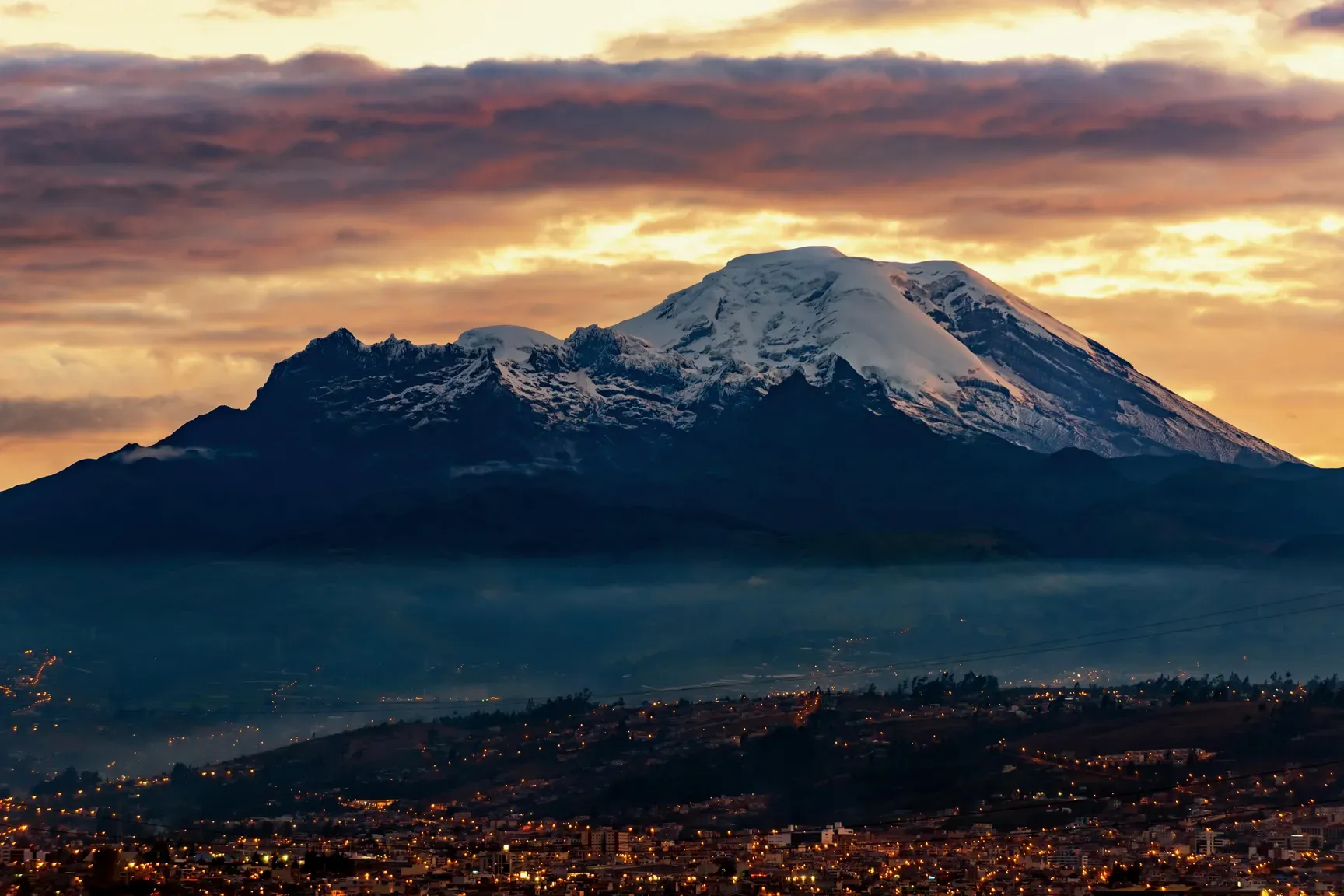
Chimborazo is Ecuador’s highest peak, a natural wonder rich in history, science, and deep cultural significance.

✓ What guidebooks don't tell you
✓ Secrets other tourists miss
✓ Listen while you explore
Discover everything
00:00
00:00

📖 Audio Guide Chapters

6 chapters

1. Majesty and Scale

🔒 Premium Content

Subscribe to access all chapters of this audio guide.

2. Geology and Formation

🔒 Premium Content

Subscribe to access all chapters of this audio guide.

3. Exploration and Conquests

🔒 Premium Content

Subscribe to access all chapters of this audio guide.

4. Biodiversity and Ecosystems

🔒 Premium Content

Subscribe to access all chapters of this audio guide.

5. Andean Mythology and Spirituality

🔒 Premium Content

Subscribe to access all chapters of this audio guide.

6. Current Relevance and Conservation

🔒 Premium Content

Subscribe to access all chapters of this audio guide.

❓ Frequently Asked Questions

What time does Sangay National Park open for visiting Chimborazo, and how can I get there?

Sangay National Park, which includes Chimborazo, is generally open from 8:00 AM to 5:00 PM. You can reach it by private vehicle or with organized tours from Riobamba. It is essential to register at the entrance and follow the park rangers’ instructions.

Do I have to pay to enter Chimborazo, or is there a tour that includes access?

Entrance to Sangay National Park for both domestic and international visitors requires a fee, which may vary. It is recommended to check the official website of Ecuador’s Ministry of the Environment or call for the most up-to-date pricing information. Many organized tours from Riobamba include the entrance fee in their package.

How much time is recommended for a visit to Chimborazo, from arrival to departure?

For a worthwhile visit that allows you to reach the first refuge hut (Carrel), acclimatize a little, and enjoy the scenery, it is recommended to allow at least half a day, around 4 to 6 hours. If you plan to take a longer hike or attempt to reach the second refuge hut (Whymper), you will need more time, possibly a full day.

What is the historical or cultural importance of Chimborazo for Ecuadorians?

Chimborazo is a symbol of national identity and a sacred mountain for several Indigenous communities. It is known as the point closest to the sun and was a key site for historic scientific expeditions, such as the French Geodesic Mission and the research of Alexander von Humboldt. Its imposing presence has inspired local myths and legends.

What is the best time of year and the best time of day to visit Chimborazo and see it in good weather?

The best time to visit Chimborazo is usually during the dry season, between June and September, when the skies are clearer and there is less chance of rain or snow. As for the best time of day, the early morning hours (before noon) offer the best views, as clouds usually appear in the afternoon. Check the weather forecast here.

Is Chimborazo accessible for people with reduced mobility, or are there special facilities?

Unfortunately, access to Chimborazo presents significant challenges for people with reduced mobility due to the altitude, uneven terrain, and lack of adapted infrastructure. The paths are mainly dirt and rock, and there are no ramps or elevators. It is recommended to contact the park administration directly if you have special needs.

Besides Chimborazo, what other interesting places can I visit around Riobamba?

Near Riobamba and Chimborazo, you can explore Riobamba’s Historic Center, take the famous Devil’s Nose Train route (check here), or visit the town of Guamote and its Indigenous market. Another option is Cajas National Park, which is a bit farther away but spectacular.

What practical tips would you give me to make the most of my visit to Chimborazo?

Of course! First, acclimatize properly for one or two days beforehand in Riobamba. Bring warm layered clothing, gloves, a hat, sunglasses, and sunscreen, even if the sun is not directly visible. Pack water and energy snacks. Do not forget comfortable, sturdy walking shoes. And a good hot coffee or coca tea can be one of your best allies against the cold and the altitude!

¿Prefieres escuchar en español?

🇪🇸 Escucha la audioguía de Chimborazo Audio Guide en español