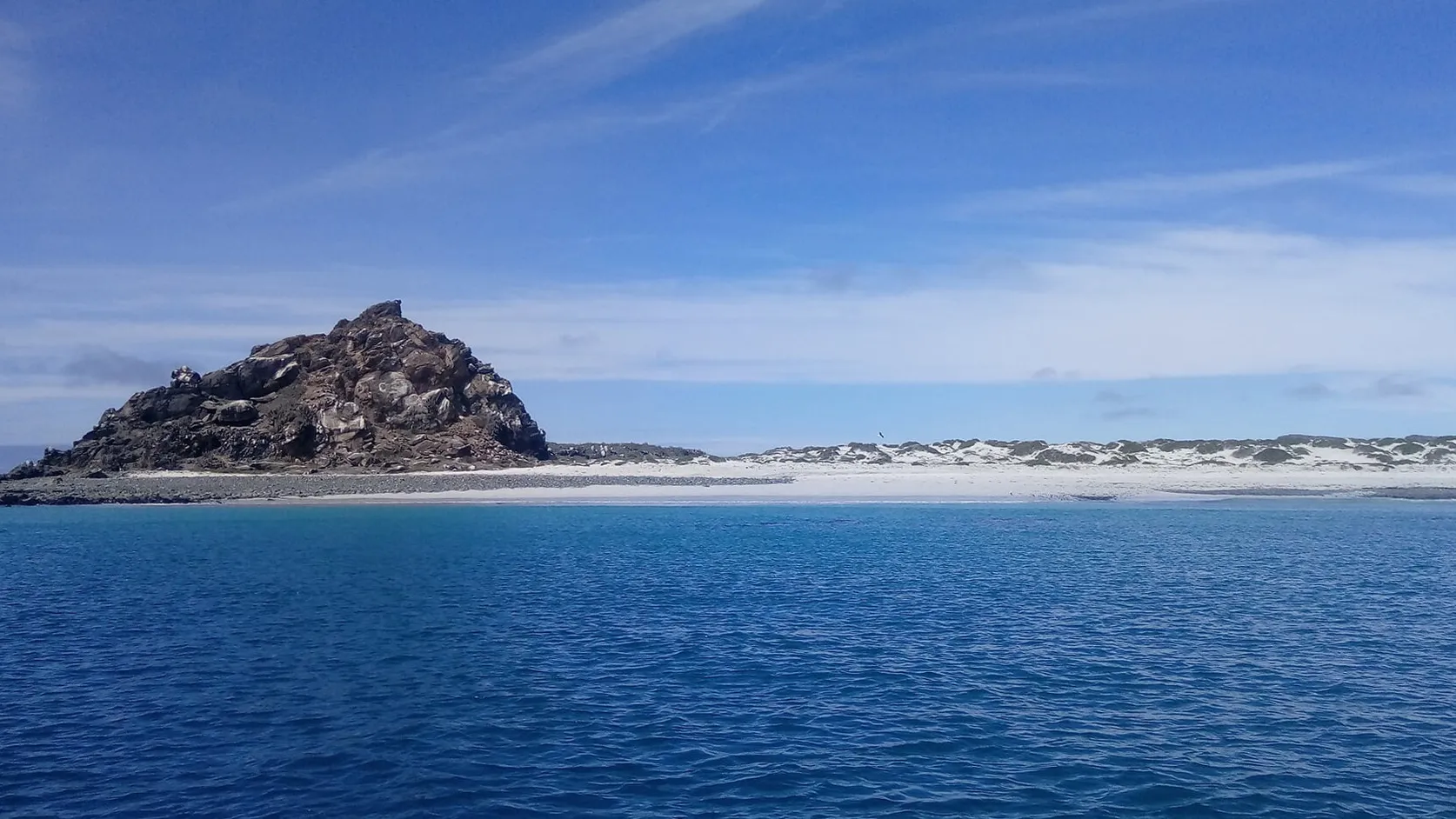
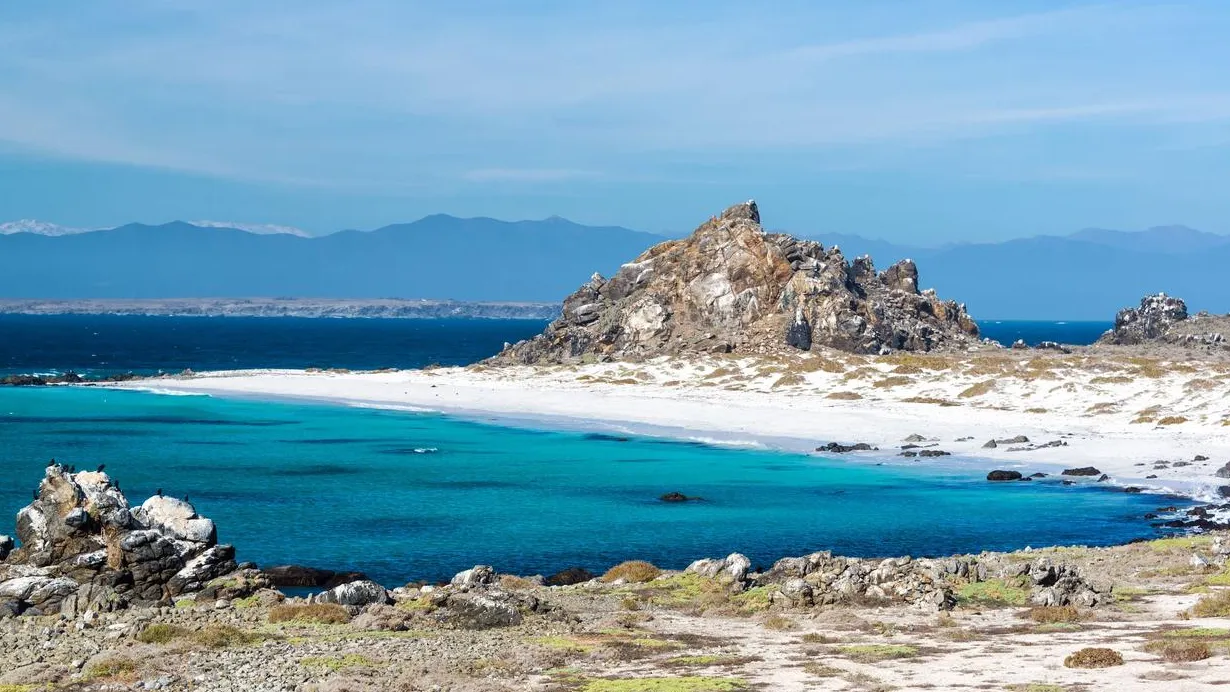
Discover Choros Island in Punta de Choros. A unique experience to learn about its history and significance.
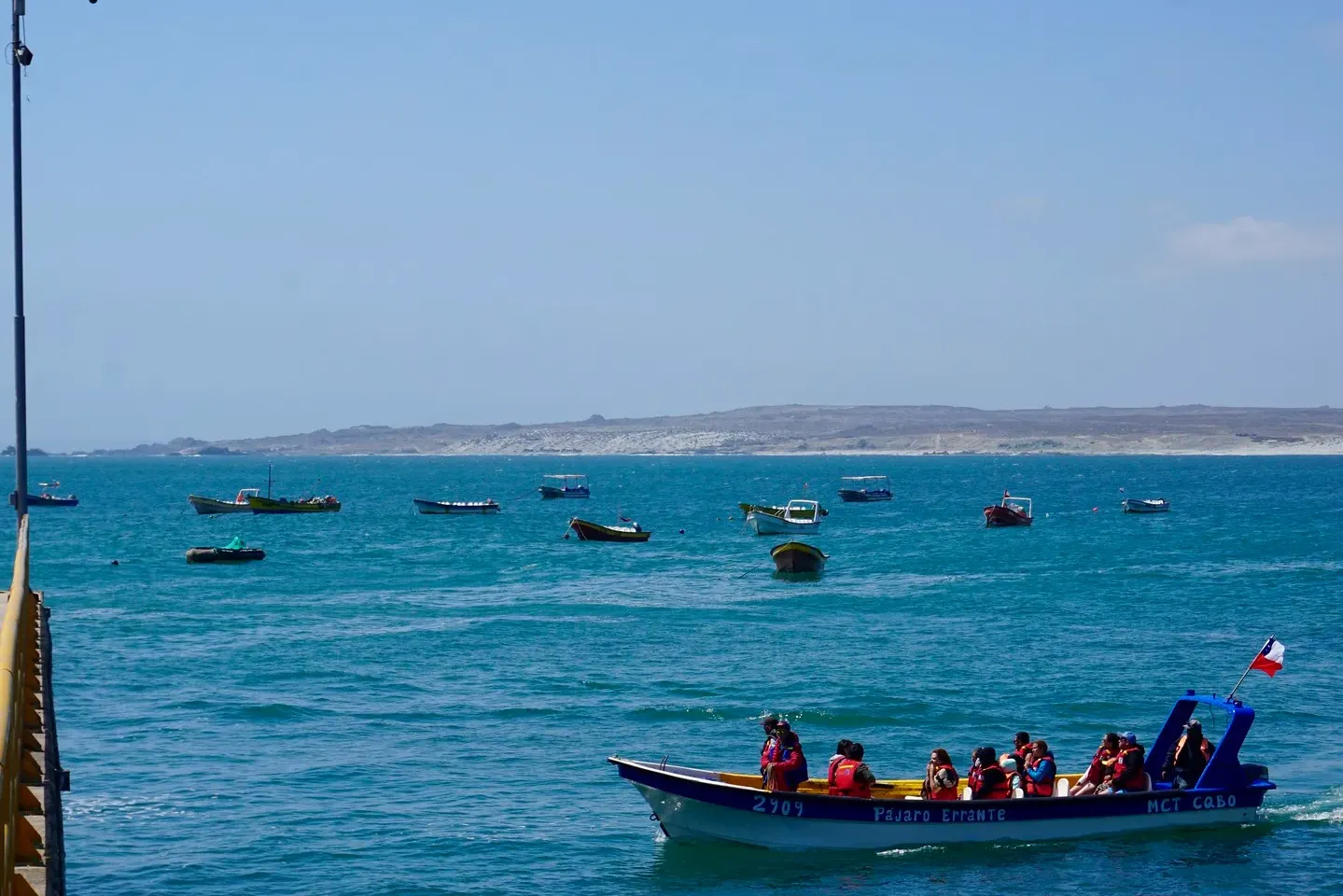
Choros Island is part of the Humboldt Penguin National Reserve. Visits are organized through various tour companies departing from Caleta Punta de Choros, generally between 9:00 AM and 4:00 PM, depending on the tide and weather conditions. You must book a boat excursion that will take you to the waters around the island, as landing is not allowed in order to protect the wildlife. I recommend checking the options in advance on websites such as Sernatur Coquimbo or with local operators.
The cost of the excursion varies depending on the tour operator and what is included (transportation, guide, etc.), but it usually ranges from CLP 20,000 to CLP 30,000 per person. In addition, you should consider an entrance fee to the Humboldt Penguin National Reserve, managed by CONAF, which is approximately CLP 3,000 for Chilean visitors and CLP 5,000 for foreigners. You can find updated fare information on the CONAF website.
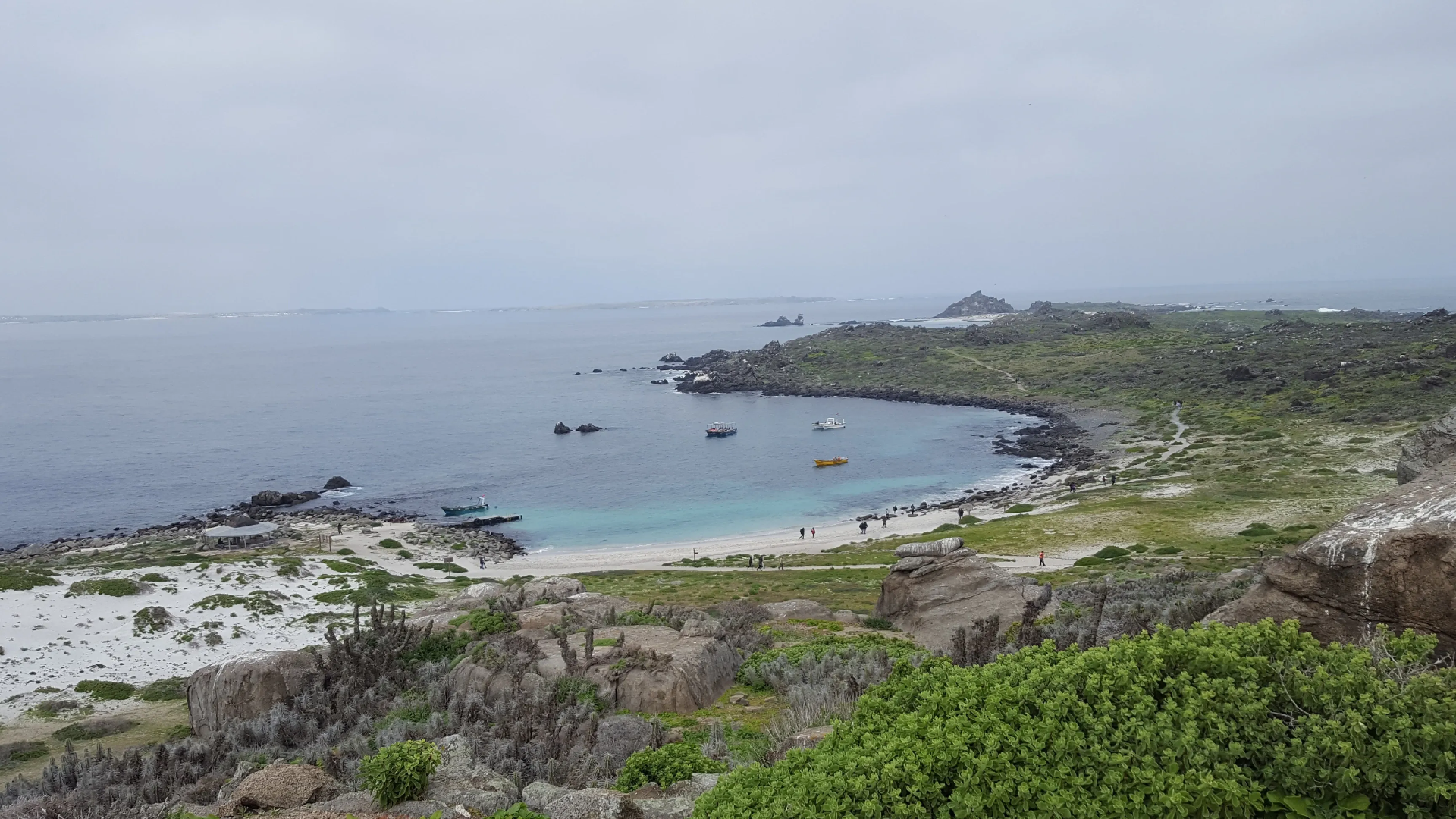
The full excursion from Punta de Choros, including the boat ride, wildlife watching around the islands (Choros, Damas, and Gaviota), and landing on Damas Island (if permitted and included in the package), usually lasts between 3 and 4 hours. If you want to explore the cove further or enjoy its beaches, I recommend setting aside a full day for the area.
Choros Island is special because it is part of a unique ecosystem that hosts great marine biodiversity. It is one of the main nesting sites of the Humboldt penguin and home to sea lions, marine otters, and a wide variety of guano birds. Its importance lies in the conservation of these species and the richness of its flora and fauna, making it a natural laboratory for research and responsible ecotourism.
The best time to visit is between September and March, which coincides with austral spring and summer. During these months, the weather is more pleasant and the chances of seeing Humboldt penguins and other marine species are higher, as they are in the middle of their breeding season. Avoid the winter months (June to August) if you are looking for better weather, although the wildlife is still present.
Unfortunately, accessibility at Choros Island is limited. Access to the tourist boats can be difficult for people with reduced mobility because of the tides and the need to go up and down ladders. In addition, landing on Choros Island is not permitted under any circumstances; visitors only circle it by boat. If there is a landing on Damas Island, the terrain is sandy and there is no adapted infrastructure. It is advisable to contact tour operators directly to ask about their facilities and whether the visit is feasible for specific needs.
Of course! You should not miss Damas Island, famous for its white-sand beaches and turquoise waters, where landing is allowed. You can also explore the small village of Caleta Punta de Choros, enjoy the local cuisine with fresh fish and seafood, or simply relax on its beaches. If you are a nature lover, the Coquimbo Region offers many more opportunities for ecotourism.
Of course! I recommend bringing sunscreen, a hat, and sunglasses, as sun exposure at sea is strong. Warm clothing and a windbreaker are essential, since the sea breeze can be cold. Do not forget your camera with extra batteries. It is crucial to book your excursion in advance, especially in high season, to secure your spot and get a good price. And please, always follow your guide’s instructions to protect the wildlife and the natural environment.
¿Prefieres escuchar en español?
🇪🇸 Escucha la audioguía de Choros Island en español