No te vayas sin conocer la historia Suscribete
IAudioGuia iaudioguia
Audio Guides of Hoi An

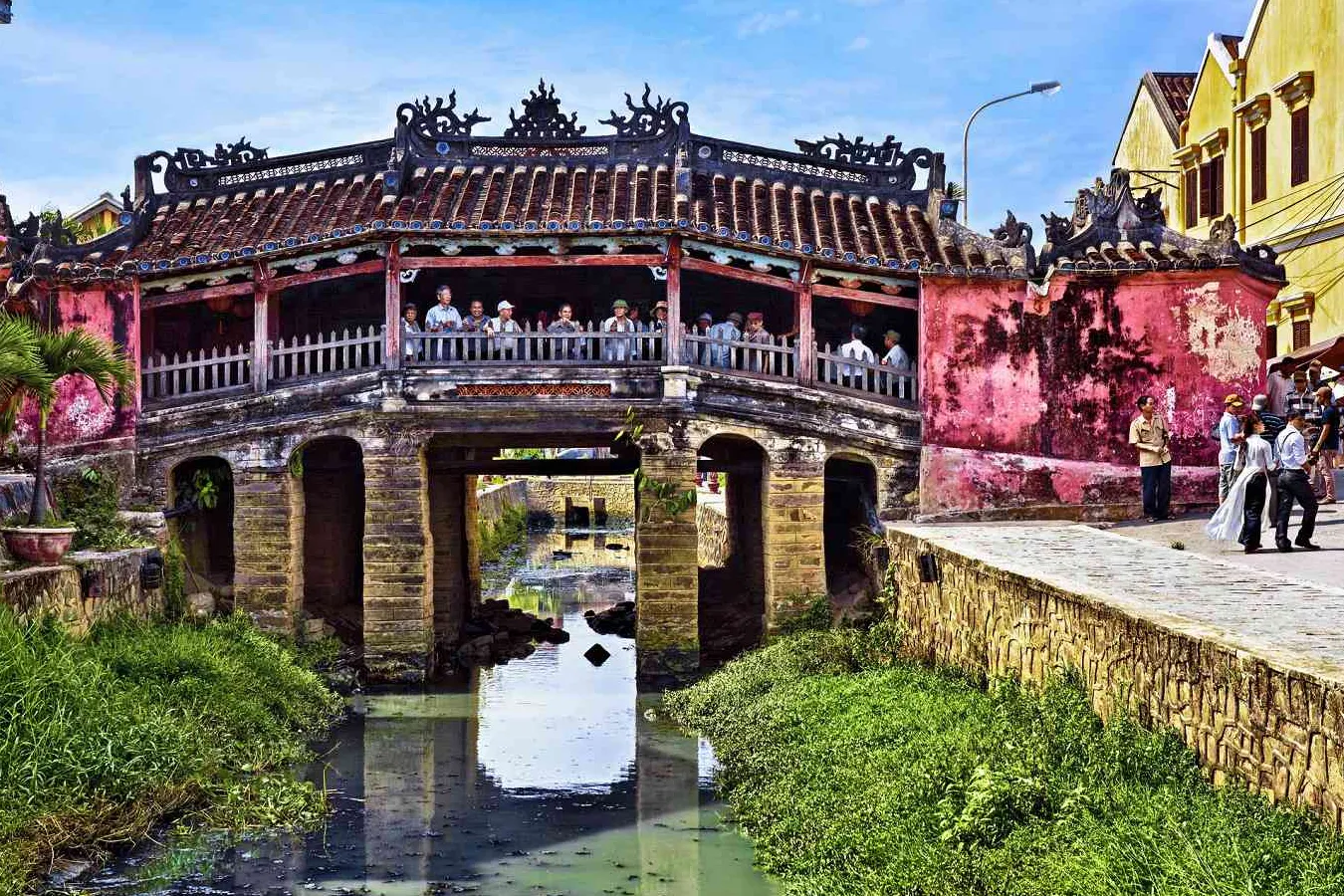
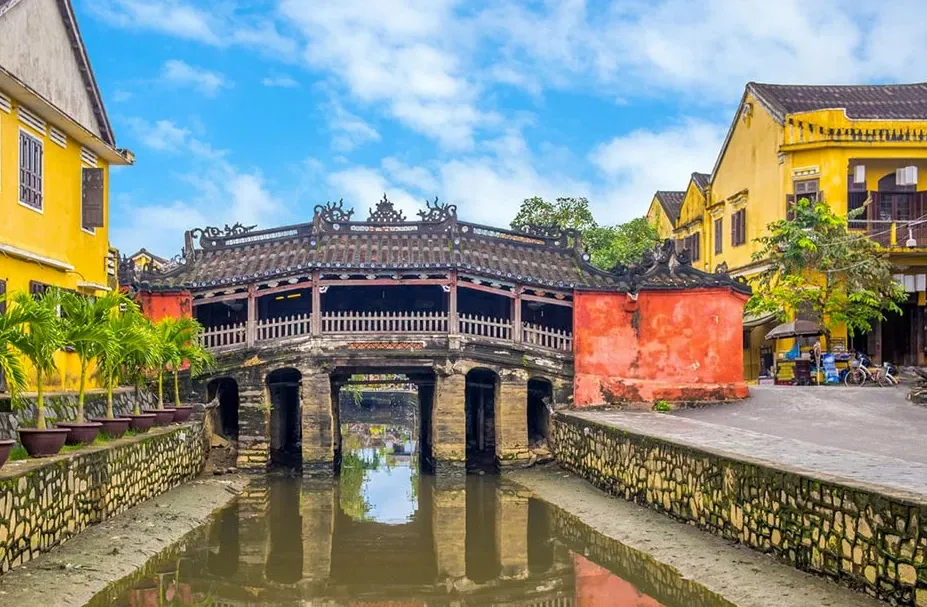
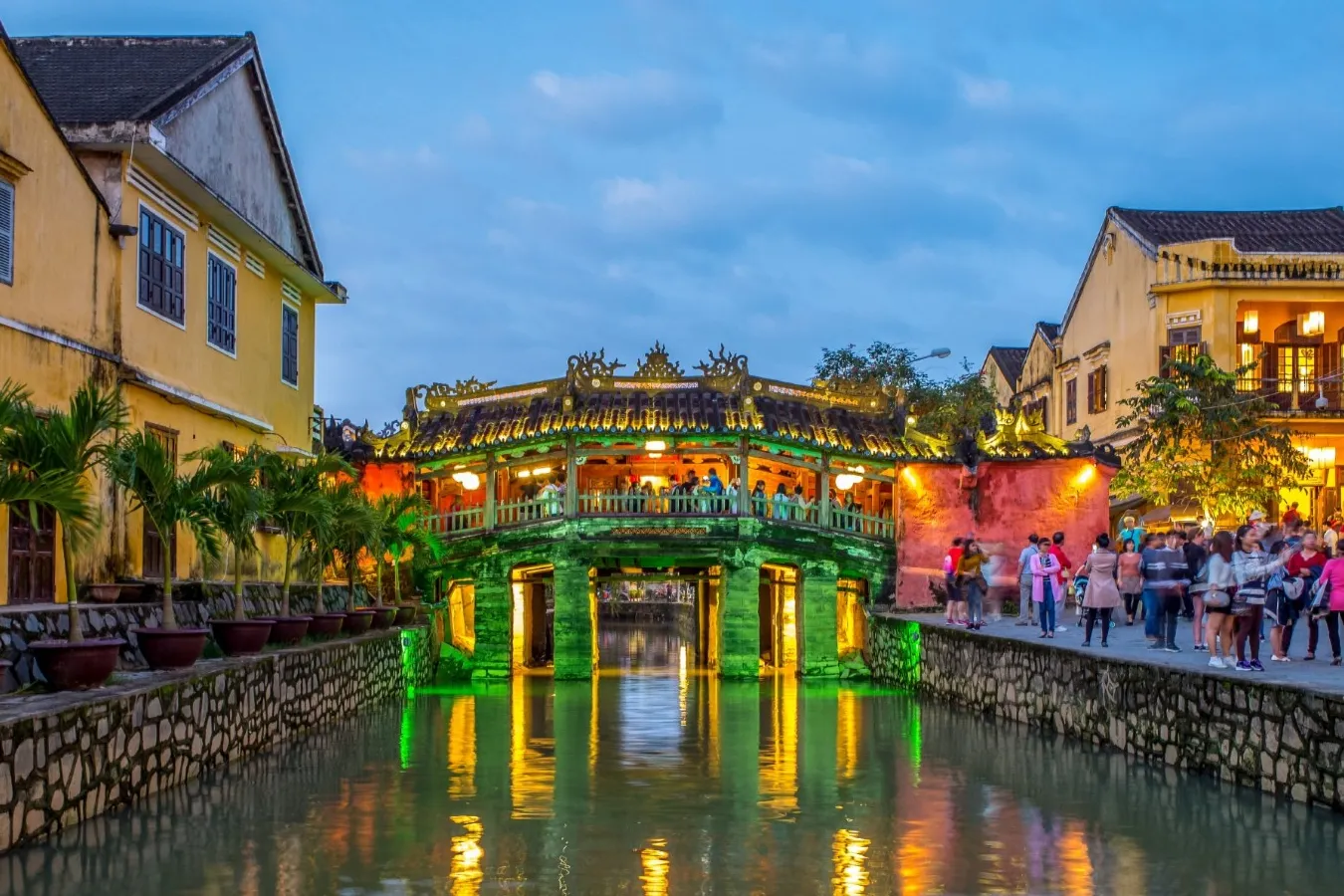
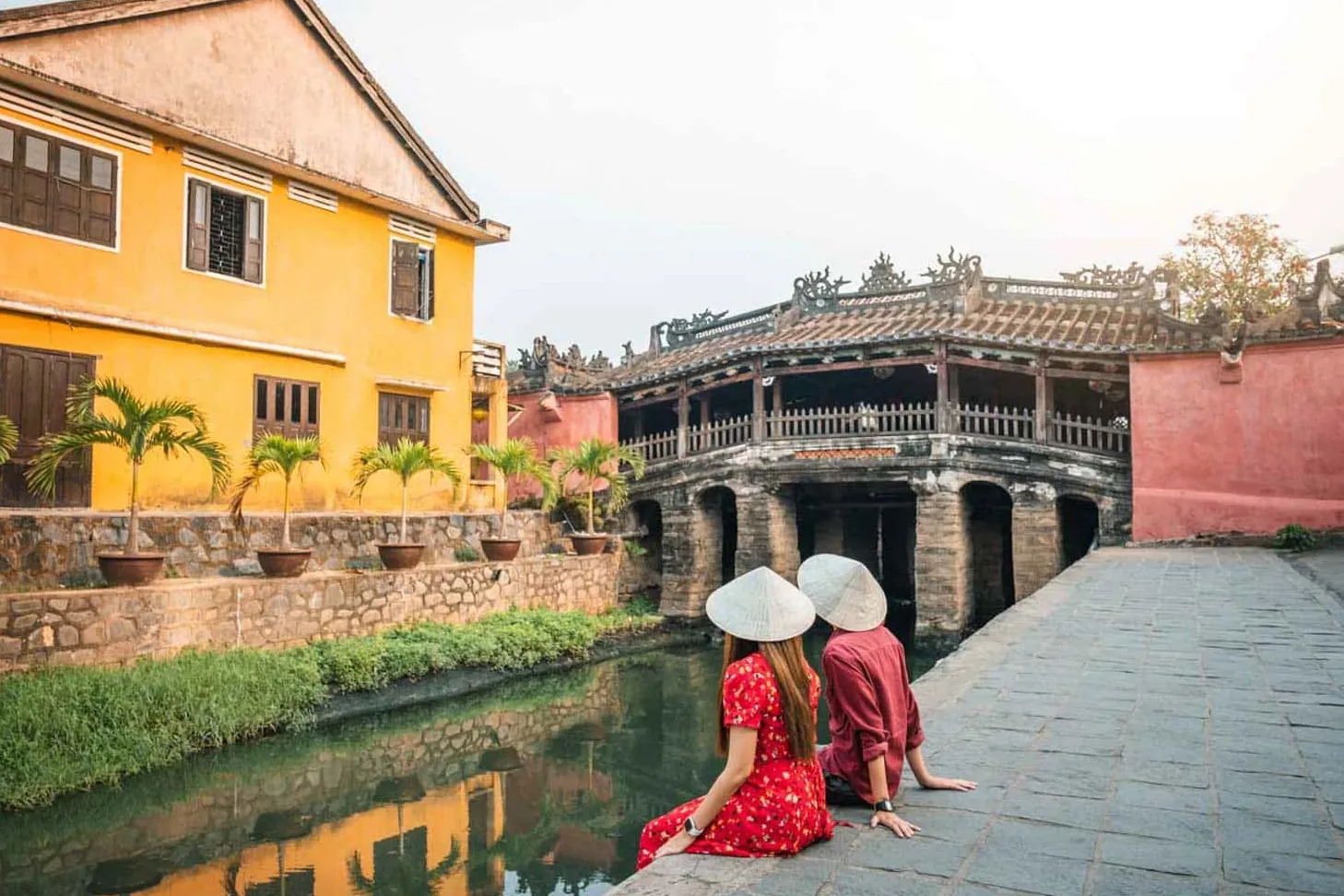
Audio Guide of the Japanese Covered Bridge

Discover the history and secrets of this place with our audio guide.

✓ What guidebooks don't tell you
✓ Secrets other tourists miss
✓ Listen while you explore
Discover everything
00:00
00:00
Rate this audio guide

📖 Audio Guide Chapters

6 chapters

1. Introduction

🔒 Premium Content

Subscribe to access all chapters of this audio guide.

2. History of the Japanese Covered Bridge

🔒 Premium Content

Subscribe to access all chapters of this audio guide.

3. Architecture and Design

🔒 Premium Content

Subscribe to access all chapters of this audio guide.

4. Anecdotes and Curiosities

🔒 Premium Content

Subscribe to access all chapters of this audio guide.

5. Tips for Your Visit

🔒 Premium Content

Subscribe to access all chapters of this audio guide.

6. Closing

🔒 Premium Content

Subscribe to access all chapters of this audio guide.

❓ Frequently Asked Questions

What time does the Japanese Covered Bridge open, and are there any access restrictions?

The Japanese Covered Bridge in Hoi An is open 24 hours a day, 7 days a week, as it is part of the city. However, to cross it at no extra cost, you need a ticket to Hoi An Ancient Town. The usual hours for ticket checks are from 7:00 a.m. to 9:00 p.m. You can find more information about tickets on the Hoi An tourism website or on the official Vietnam National Authority of Tourism website.

Do you have to pay to cross the Japanese Covered Bridge, or is it free?

To cross the Japanese Covered Bridge, you need a ticket to Hoi An Ancient Town. This ticket has a cost and gives you access to several attractions within the city, including the bridge. You can check prices and points of sale on the official tourism websites to plan your visit.

How much time is recommended for a visit to the Japanese Covered Bridge?

A visit to the Japanese Covered Bridge itself is relatively short, and it will take about 15 to 30 minutes to cross it, admire its architecture and statues, and take a few photos. However, since it is in the heart of Hoi An Ancient Town, we recommend setting aside several hours to explore the surrounding area.

What is the history or cultural significance behind the Japanese Covered Bridge?

The Japanese Covered Bridge, also known as Chùa Cầu or Pagoda Bridge, was built in the 17th century by the Japanese community to connect their quarter with the Chinese quarter. It symbolizes reconciliation and cultural integration, and it houses a small pagoda inside dedicated to the god of weather, making it a place of great historical and spiritual importance in Hoi An.

What is the best time of day or year to visit the Japanese Covered Bridge and avoid crowds?

The best time to visit the Japanese Covered Bridge is early in the morning, before 9:00 a.m., or at sunset, when there are fewer tourists and the light is ideal for photography. The rainy season, from September to January, can be quieter, but the dry season, from February to August, offers more stable weather.

Is the Japanese Covered Bridge accessible for people using wheelchairs or strollers?

The Japanese Covered Bridge can be challenging for people using wheelchairs or strollers because of the steps at both ends. Direct access to the bridge is not fully adapted for reduced mobility. However, the surrounding area of Hoi An is largely flat and accessible for exploring.

What other attractions or places of interest can I visit near the Japanese Covered Bridge?

Around the Japanese Covered Bridge, Hoi An Ancient Town is full of attractions. You can visit the Phung Hung Ancient House, the Fujian Assembly Hall, or enjoy a boat ride on the Thu Bon River at sunset. Don’t forget to explore the local markets and try Hoi An’s delicious cuisine.

Are there any practical tips or special recommendations to make the most of my visit to the Japanese Covered Bridge?

For the best experience, consider visiting the bridge early in the morning to avoid the crowds and enjoy the peaceful atmosphere. Be sure to buy a ticket to Hoi An Ancient Town, which gives you access not only to the bridge but also to many other wonders of Hoi An. And don’t forget your camera to capture the beauty of this landmark!

¿Prefieres escuchar en español?

🇪🇸 Escucha la audioguía de the Japanese Covered Bridge en español