Discover the history and secrets of this place with our audio guide.
Phu Quoc Prison Museum is usually open from 7:30 AM to 11:30 AM and from 1:30 PM to 5:00 PM every day. Although there is no direct official website for the museum, you can find it on maps and travel directories. It is located in Duong Dong, on Phu Quoc Island itself, and you can easily get there by taxi or motorbike from anywhere on the island. I recommend looking it up on Google Maps for the most accurate directions: Phu Quoc Prison Museum on Google Maps.
I have good news! Admission to Phu Quoc Prison Museum is free. That makes it a must-see stop for anyone who wants to learn about local history without worrying about their budget. Even though admission is free, you may want to consider making a small donation if you feel the experience is worthwhile and would like to contribute to the upkeep of the site.
To get a solid understanding of everything the museum has to offer, I would recommend setting aside between 1.5 and 2 hours. That will give you enough time to walk through the different sections, read the displayed information, and take in the powerful history told in this place. You will not want to rush and miss important details.
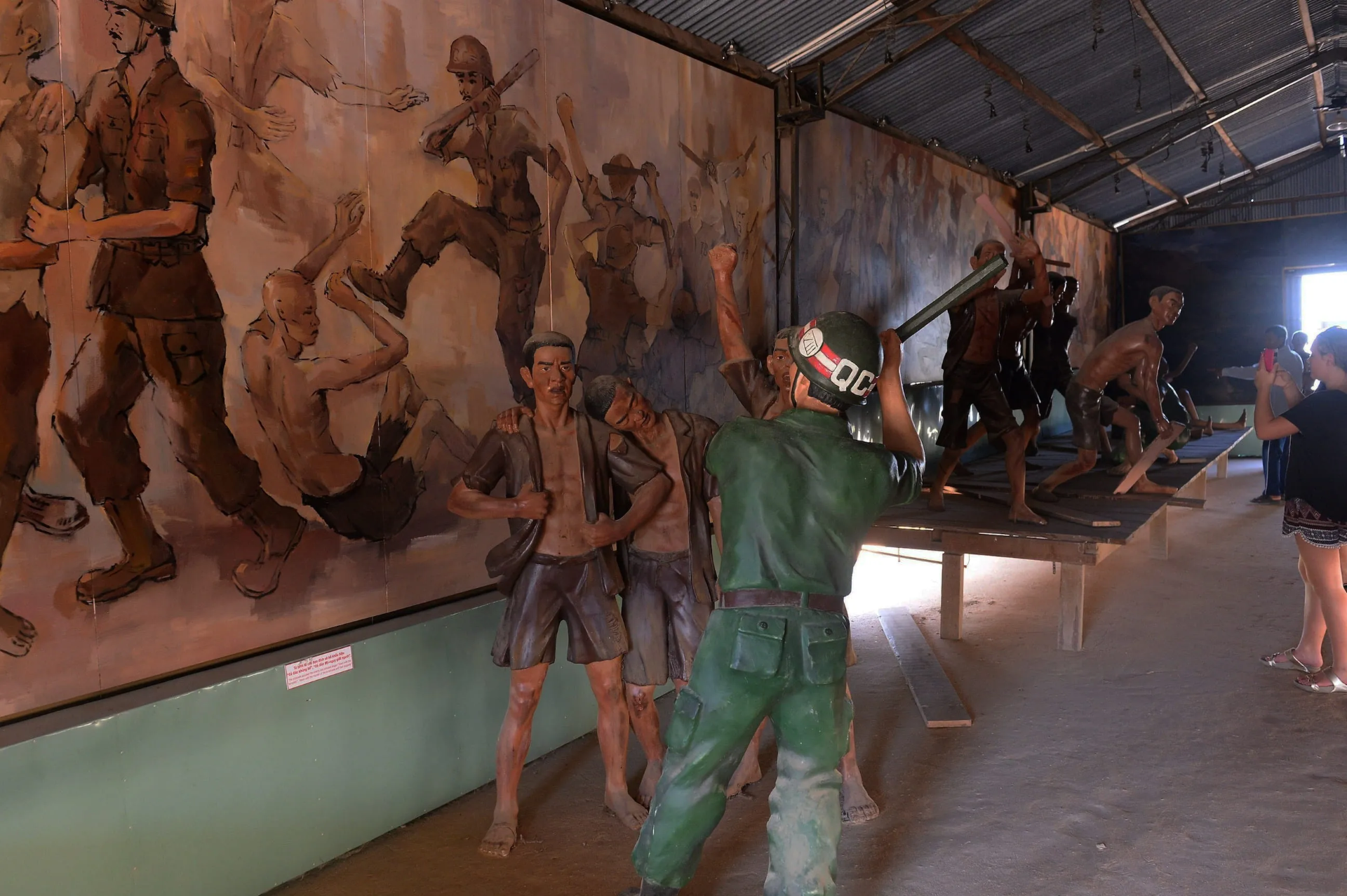
Phu Quoc Prison Museum is incredibly important, as it was the largest prisoner-of-war camp in South Vietnam during the Vietnam War. It documents the brutal torture and inhumane conditions endured by Vietnamese prisoners of war, serving as a stark and moving testimony to human resilience. A visit is essential for understanding a crucial part of Vietnam's contemporary history.
To avoid crowds and enjoy a quieter visit, I suggest going early in the morning just after opening, or in mid-afternoon before closing. As for the best time of year, Phu Quoc's dry season (from November to April) is ideal for the weather, but it is also the busiest period. If you prefer fewer people, consider visiting during the rainy season (May to October), though keep possible showers in mind.
Phu Quoc Prison Museum may present some challenges for visitors with reduced mobility. While some areas are accessible, others may have steps or uneven surfaces, as it is a historic site preserved largely as it originally was. I recommend contacting Phu Quoc's local tourism authorities, if you can find a contact, or asking your hotel whether they have up-to-date information about specific accessibility details before your visit so you can plan more effectively.
Of course! After such an intense visit, you may want something lighter. Very close to the museum is the famous Sao Beach (Bai Sao), with its white sand and crystal-clear waters, perfect for relaxing. You can also visit Coconut Prison, which is part of the same historic complex, or a nearby fishing village to try fresh seafood. For a wider range of activities on the island, see guides such as TripAdvisor Phu Quoc.
Definitely. Bring water and sunscreen with you, especially if you visit during the day, as some sections are outdoors. Choose comfortable footwear, since you will do quite a bit of walking. Finally, I recommend arriving with an open mind and prepared to confront a difficult part of history; it is a powerful and emotional experience that deserves respect and reflection. Pick up a guide or brochure at the entrance if they have one, for a better understanding of the exhibits.
¿Prefieres escuchar en español?
🇪🇸 Escucha la audioguía de Phu Quoc Prison Museum en español