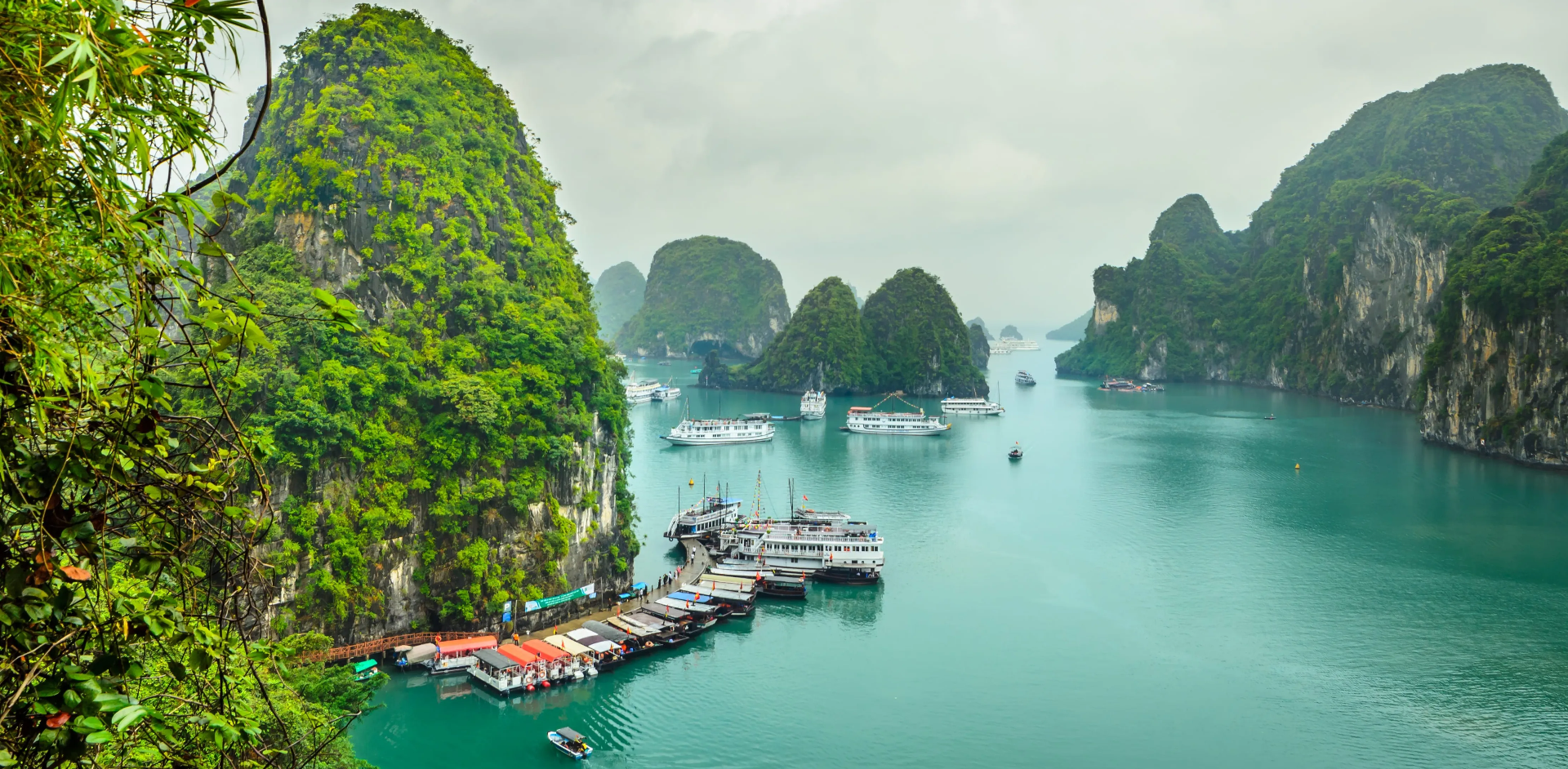
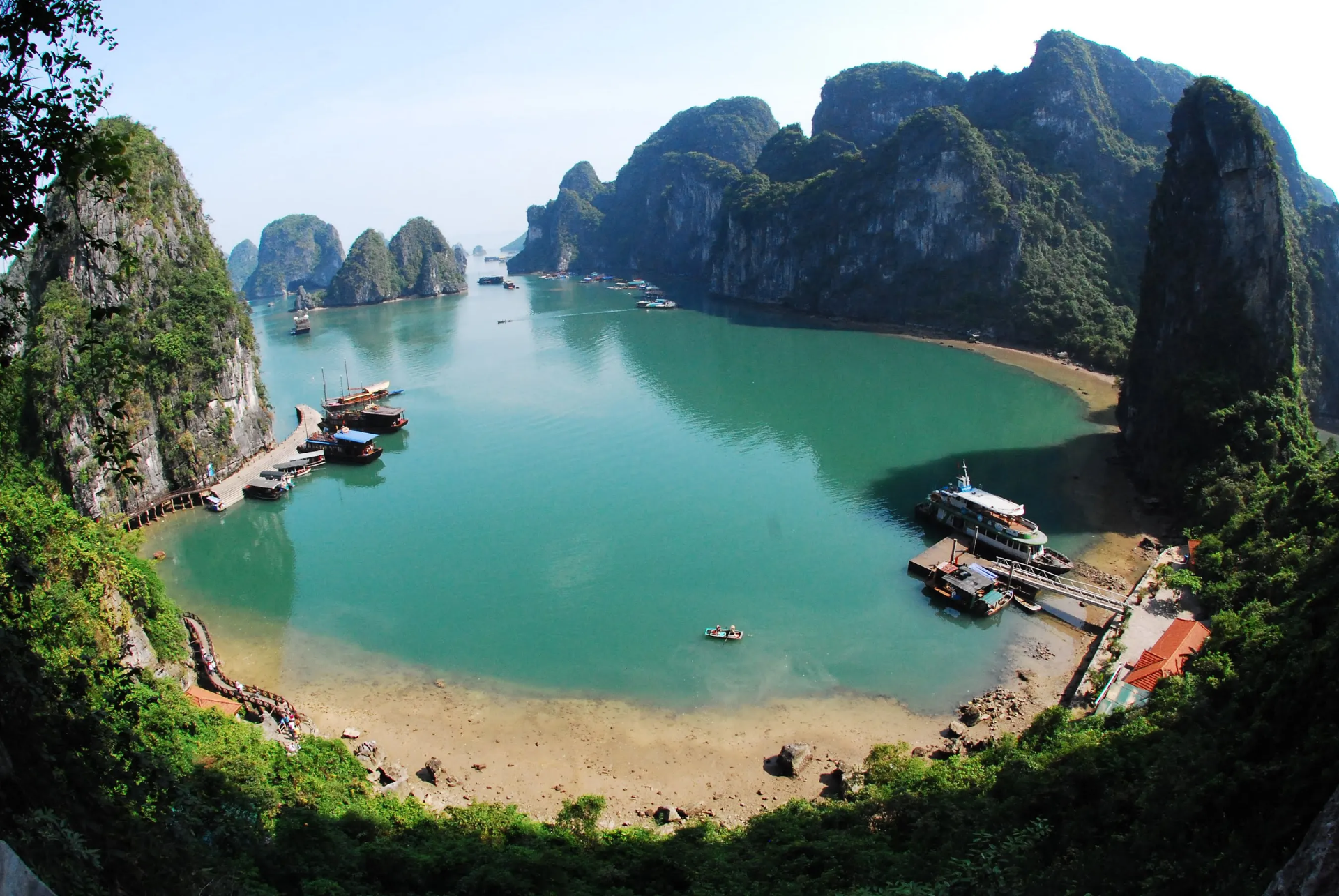
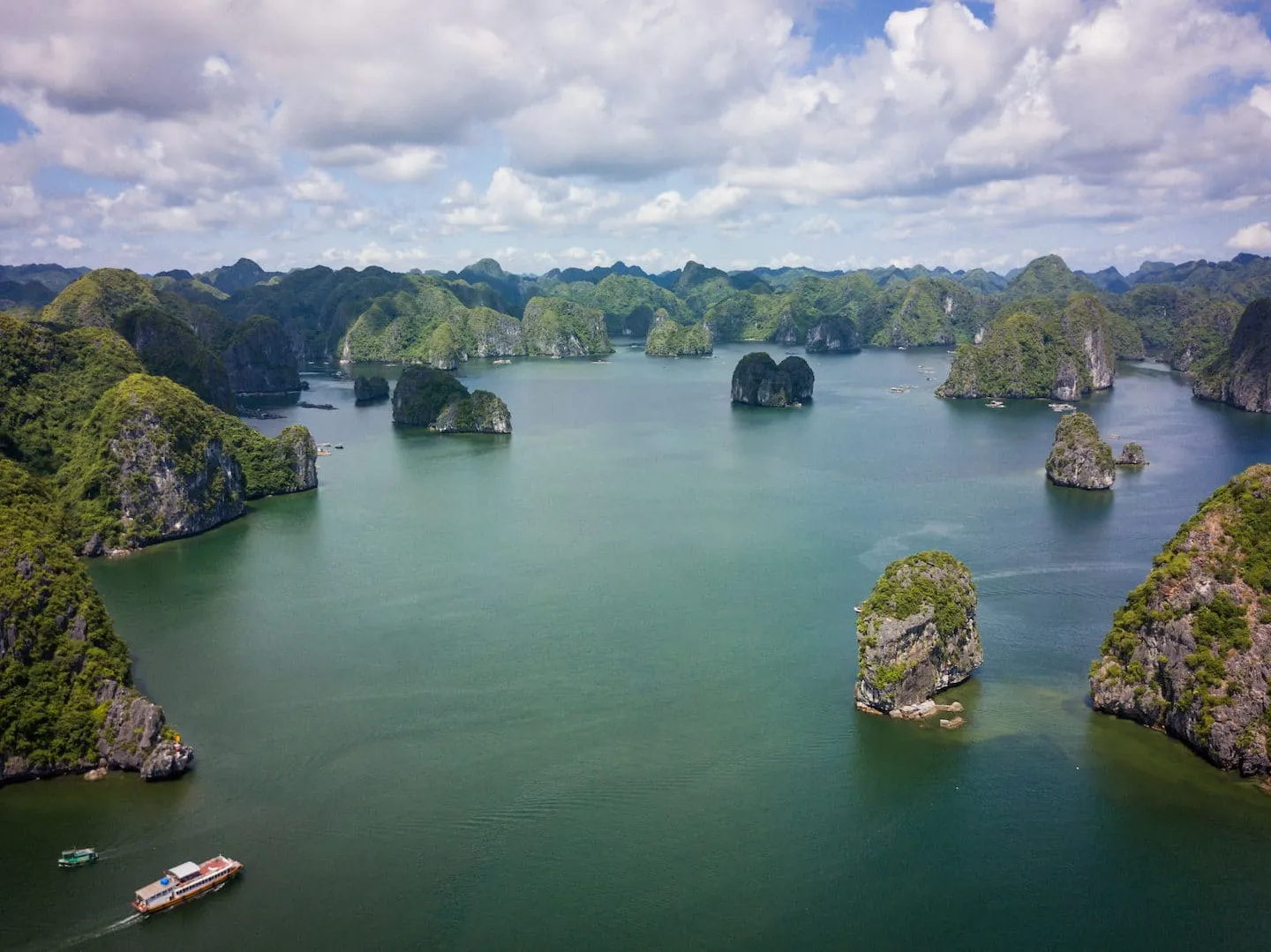
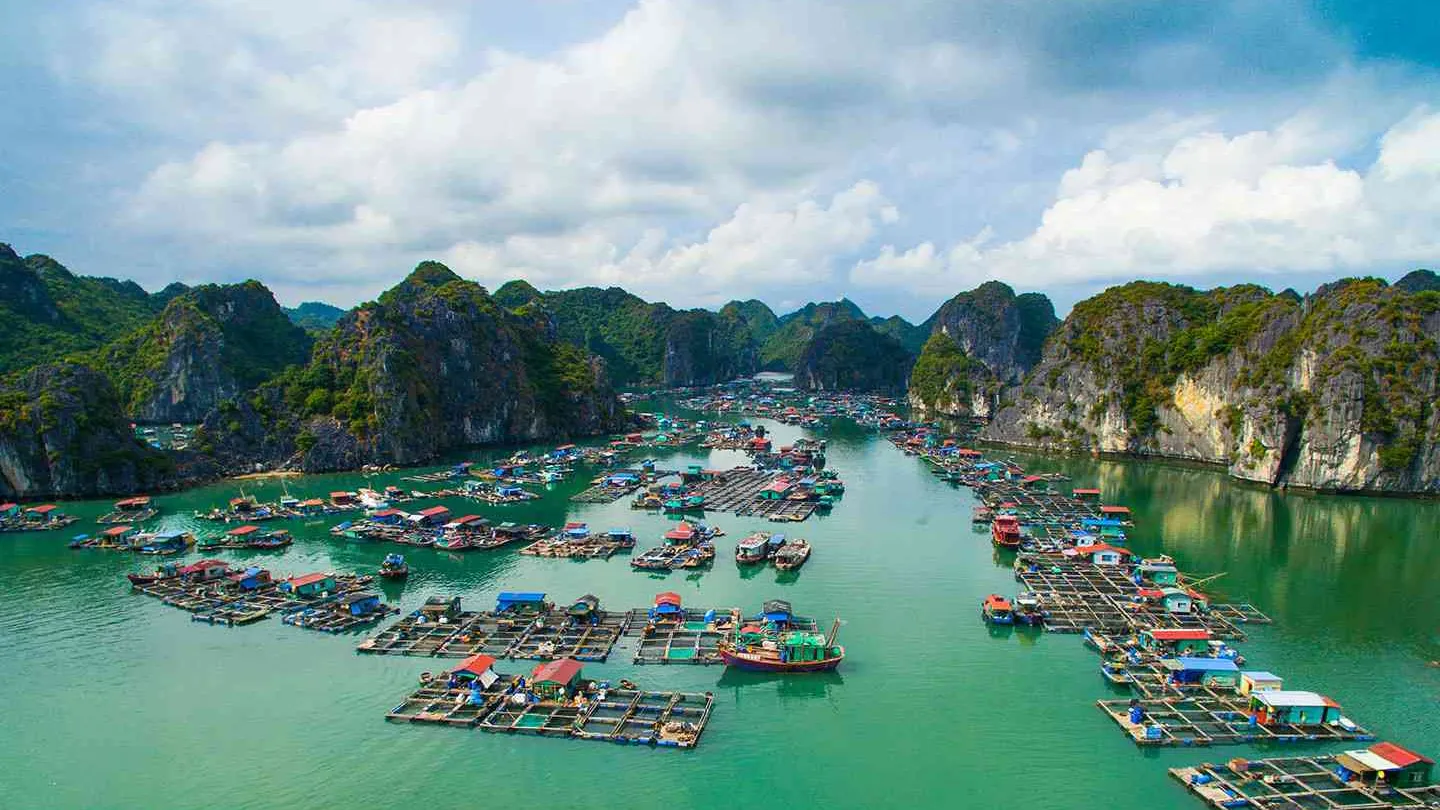
Discover Kỳ Quan Sơn in Cat Ba. A unique experience to explore its history and significance.
As a mountain peak, Kỳ Quan Sơn does not have formal opening or closing hours like a museum. Access is generally via hiking and trekking routes. It is highly recommended to hire a local guide who knows the routes and terrain conditions, as these are not marked trails for typical tourists.
Although there is no official 'entrance fee' for the peak itself, hiring a local guide (which is strongly advised) or joining an organized tour will involve a cost. You may also need to cover other expenses such as entry permits for nearby national parks, if applicable, or transport to the starting point of the hike.
Climbing Kỳ Quan Sơn is a multi-day expedition, not a quick visit. It normally requires 3 to 4 full days for the trek, including the ascent, time at the summit, and the descent, depending on the route and the hikers' fitness level. It is an adventure that requires planning and endurance.
Kỳ Quan Sơn is one of the highest peaks in Vietnam and is known for its stunning 'sea of clouds' landscapes at sunrise, as well as its unique flora and fauna. Its significance lies in being both a challenge for mountaineers and a natural treasure for lovers of adventure and photography, offering spectacular views and an unmatched connection with untouched nature.
The best time for trekking at Kỳ Quan Sơn is during the dry months, from October to April. During these months, the weather is more stable, with less rain and cooler temperatures, making the hike easier and increasing the chances of enjoying clear views and the famous 'sea of clouds.' Avoid the rainy season from May to September, as the trails can be dangerous.
Unfortunately, Kỳ Quan Sơn is not accessible for people with reduced mobility. It is a remote mountain peak with demanding trekking routes and no adapted infrastructure. The ascent requires good physical fitness and hiking skills.
Near the region where Kỳ Quan Sơn is located, in Lao Cai Province, you can explore the town of Sa Pa, famous for its rice terraces and local ethnic minority communities. You can also visit Fansipan, the roof of Indochina, although Kỳ Quan Sơn offers a more untouched and less crowded trekking experience. Cat Ba is a coastal island, so nearby attractions there would instead be beaches and Ha Long Bay.
Prepare your trip in advance, hire an experienced local guide, bring proper trekking gear (including warm clothing, waterproofs, and sturdy footwear), and make sure you are in good physical condition. It is essential to carry enough water and food, and to be mindful of your environmental impact by following a 'leave no trace' approach to preserve the natural beauty of the area. Consider bringing a power bank for your devices, as the signal can be intermittent.
¿Prefieres escuchar en español?
🇪🇸 Escucha la audioguía de Kỳ Quan Sơn in Cat Ba en español