
Donde el último emperador de Vietnam escondió sus secretos entre paredes que susurran historias de café, espías y elefantes
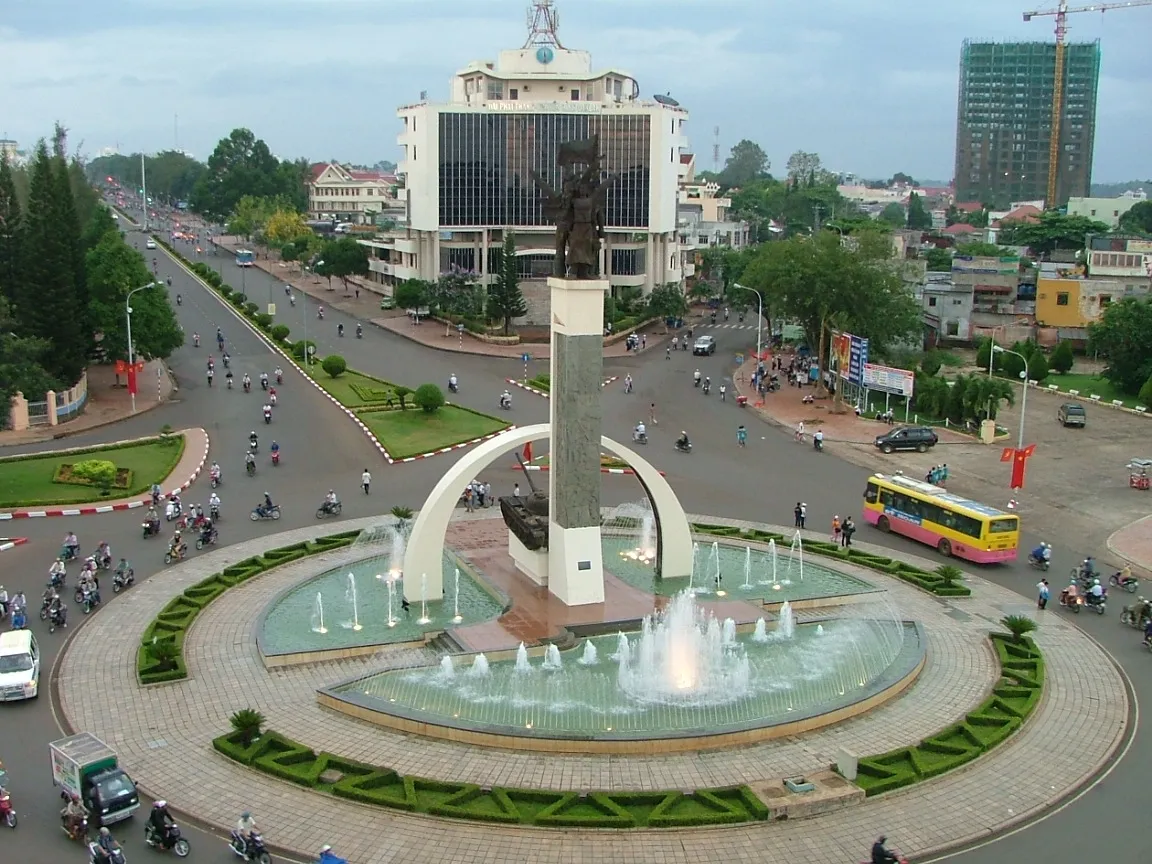
The Buon Ma Thuot Citadel is an open-air site that you can visit freely throughout the day. It is located in the heart of the city, at the intersection of Nguyen Du and Ly Thuong Kiet streets. Check for updates on the official Vietnam tourism website before your visit.
No, access to the Citadel is completely free. The only associated costs would be transportation to the site or hiring a local guide for the historical commentary.
It is recommended to spend 1 to 2 hours exploring the ruins, reading the informational panels, and taking photographs. The site is small in size but rich in history.
Built in 1904 by the French during colonization, it was a key setting in the Battle of Buon Ma Thuot (1975), which marked the end of the Vietnam War. Today it preserves crumbling bastions and explanatory panels about its past.
The dry season (December to April) is ideal, with clear days and less humidity. If you travel during the rainy season (May to November), bring an umbrella and non-slip footwear.
The terrain is uneven with excavated areas and steps, making access difficult for wheelchairs or people with reduced mobility. Caution is recommended in all areas.
Less than 5 km away you will find the Dak Lak Ethnographic Museum, the impressive Dray Nur waterfall, and the traditional Don village famous for its elephants.
Wear sports shoes, bring water and sunscreen. Early mornings are less hot. Consider hiring a local guide (available on site) to dive deeper into the history.
¿Prefieres escuchar en español?
🇪🇸 Escucha la audioguía de the Bao Dai Citadel en español