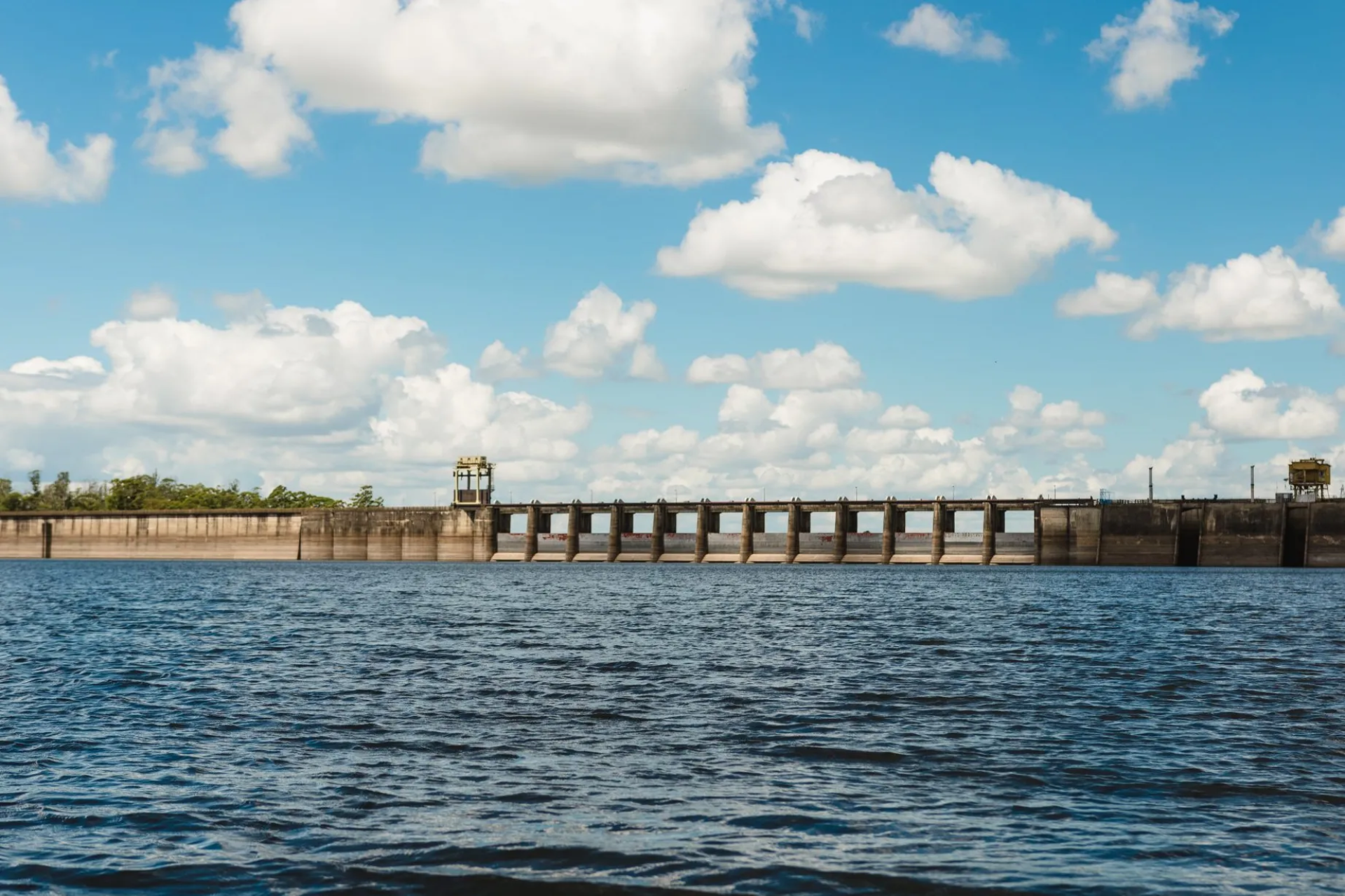
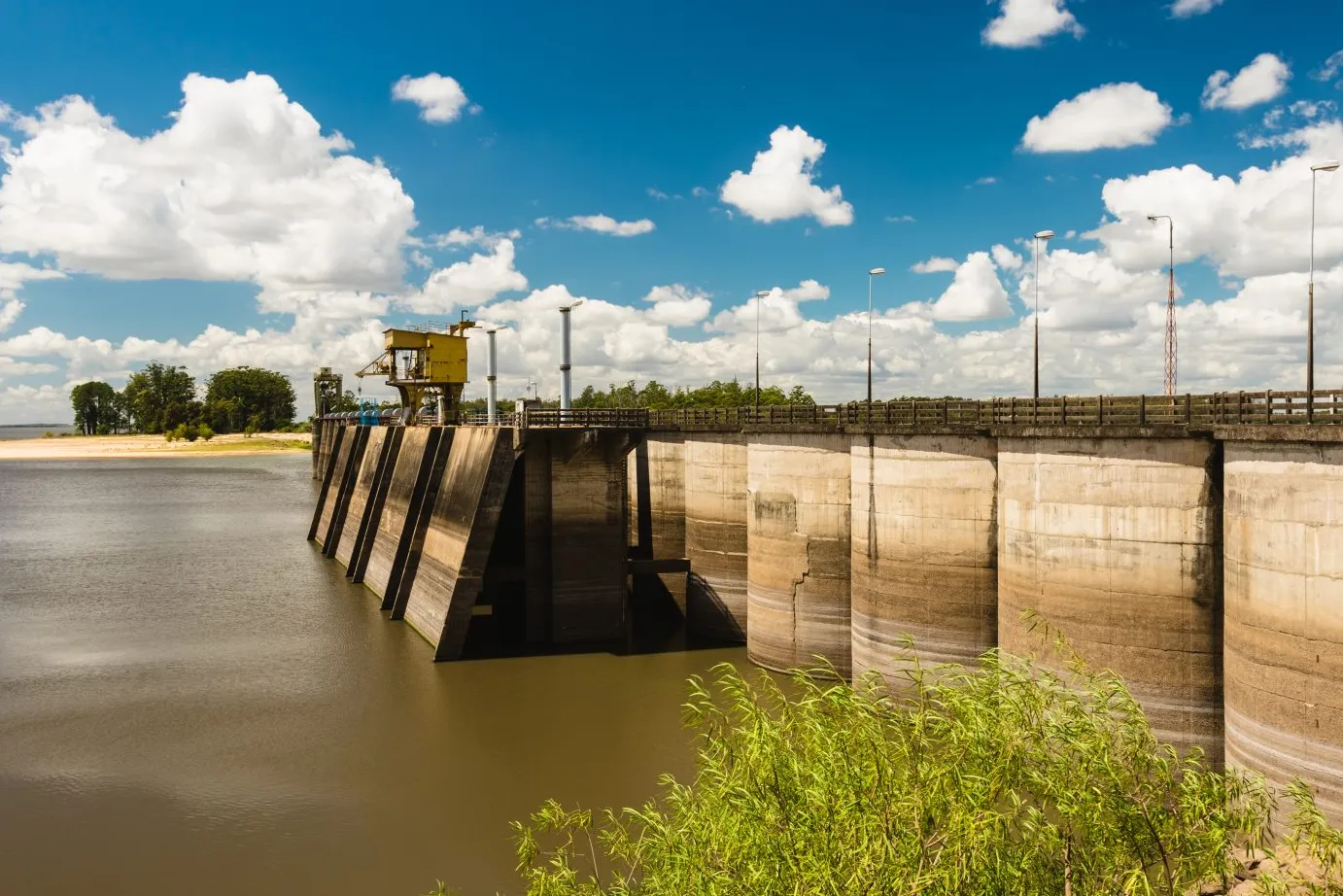
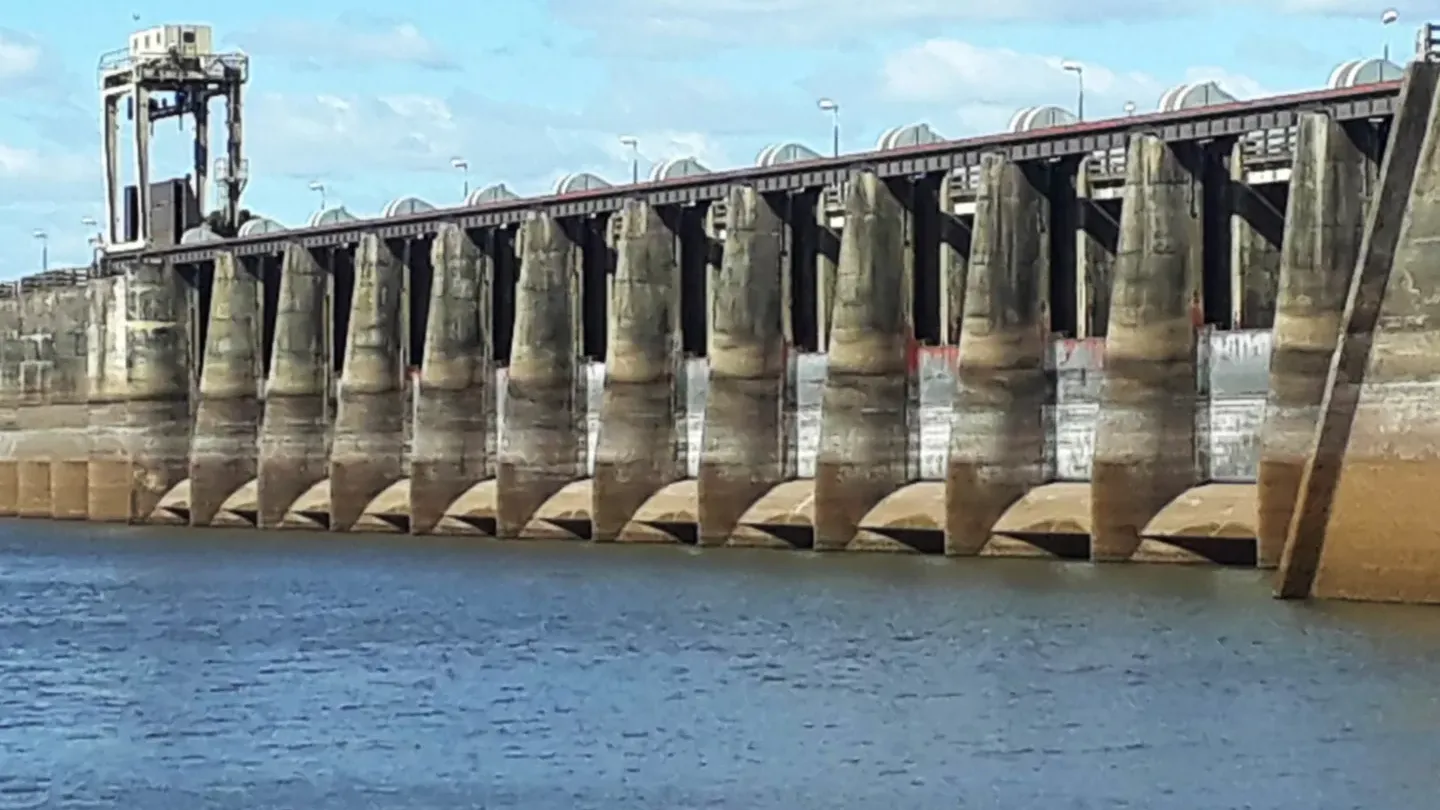
¿Sabías que esta mole de hormigón salvó a Uruguay de apagar las luces, pero ahogó pueblos enteros? Ven, te cuento los secretos que el agua se tragó.
Of course! Dr. Gabriel Terra Dam, also known as Rincón del Bonete, is accessible to the public during the day. Although there is no strict closing time for the exterior access, I recommend checking directly with the administration in case there are internal guided tours or restricted areas. You can contact UTE, the managing company, for the most up-to-date details. To get there, people usually travel by private car, and there is clear signage from Paso de los Toros.
Excellent question! The good news is that visiting the exterior areas and viewpoints of Dr. Gabriel Terra Dam is generally free. There is no entrance fee to admire this impressive feat of engineering and its natural surroundings. If there were any specific guided tours with a fee, that would be announced on site, but the general view is freely accessible. So you can enjoy it without worrying about your wallet!
For a relaxed visit and to properly enjoy the place, I suggest setting aside at least 1 to 2 hours. This will allow you to walk around the reservoir area, take photographs of the dam, and, if there is a viewpoint or visitor center with available information, stop to learn more. If you enjoy peace and nature, you might want to stay a bit longer, especially if there are picnic areas.
Dr. Gabriel Terra Dam is a monumental work of engineering with a fascinating history. It was the country’s first major hydroelectric dam, and its construction in the mid-20th century marked a milestone in Uruguay’s energy development, boosting industrialization. It is a symbol of progress and energy self-sufficiency, and its reservoir is the largest in the country. It was crucial for electricity supply and flood control.
The best time to visit Dr. Gabriel Terra Dam is during spring (September to November) or autumn (March to May), when the weather is milder and more pleasant, ideal for walking outdoors. As for the best time of day, I recommend going early in the morning or in the mid-afternoon to avoid the strongest midday sun and enjoy spectacular light for your photographs. Sunset over the reservoir can also be magical!
Accessibility may vary, but in general, the main viewpoints and areas usually have ramps or paved paths that make access easier. However, some more rustic zones or specific viewpoints may present greater challenges. I would recommend contacting UTE’s administration before your visit to get detailed information about facilities and accessible routes. UTE’s contact information is ute.com.uy.
Paso de los Toros and its surroundings have their own charm! After visiting the dam, you can explore the town of Paso de los Toros itself, known for its tranquility and riverside atmosphere. Iporá Spa, in Tacuarembó, is not too far away and offers a beautiful park and beaches on the Tacuarembó River. You can also look for small craft wineries or rural tourism ranches in the region that offer authentic experiences. Don’t miss the local cuisine.
Of course! First, always bring sunscreen, a cap or hat, and water, especially in the summer months, since you will be outdoors. If you enjoy photography, don’t forget your camera, the views are stunning! Consider bringing a small picnic to enjoy by the reservoir. And one practical tip: look for the most striking angles for your photos, the ones that tell a story. Also, always respect the signs and the natural environment. For a deeper experience, read up in advance on the history of the dam; it will help you appreciate it even more.
¿Prefieres escuchar en español?
🇪🇸 Escucha la audioguía de Dr. Gabriel Terra Dam - Rincón del Bonete en español