No te vayas sin conocer la historia Suscribete
IAudioGuia iaudioguia
Audio Guides of Castillos

Audio Guide of Cabo Polonio National Park

¿Imaginas un pueblo sin electricidad, lobos marinos fisgones y dunas que te llevan al fin del mundo? Ven, te cuento los secretos que solo los locales conocemos.

✓ What guidebooks don't tell you
✓ Secrets other tourists miss
✓ Listen while you explore
Discover everything
00:00
00:00

📖 Audio Guide Chapters

6 chapters

1. The Village That Forgot Civilization

🔒 Premium Content

Subscribe to access all chapters of this audio guide.

2. The Lighthouse That Defied Storms and Madmen

🔒 Premium Content

Subscribe to access all chapters of this audio guide.

3. Forbidden Loves Between Hippies and Fishermen

🔒 Premium Content

Subscribe to access all chapters of this audio guide.

4. Thieving Sea Lions and Spy Penguins

🔒 Premium Content

Subscribe to access all chapters of this audio guide.

5. Marks in the Wood That Whisper of Shipwrecks

🔒 Premium Content

Subscribe to access all chapters of this audio guide.

6. The Wild Heartbeat You Will Never Forget

🔒 Premium Content

Subscribe to access all chapters of this audio guide.

❓ Frequently Asked Questions

How do you get to Cabo Polonio, and what are the access hours?

Access by private vehicle is prohibited; you must leave your car at the terminal and take the authorized 4x4 trucks (or walk 7 km across the dunes). Although the park is open 24 hours a day, the trucks usually operate from 7:00 a.m. to 8:00 p.m. or later depending on the season; check current schedules at Rocha Tourism.

Do you have to pay an entrance fee to visit the park?

Admission to the Protected Area is free, but transportation on the 4x4 trucks has a cost (about 350 UYU round trip) and must be paid in cash. If you want to climb the Lighthouse for the panoramic view, there is also a small entrance fee.

How long do they recommend staying to really enjoy it?

To truly capture the magic of the place, it is best to stay at least one night and see the starry sky without light pollution. If you are only going for the day, allow at least 5 hours to walk along the north and south beaches, see the sea lions, and climb the lighthouse.

What history or importance does this place have?

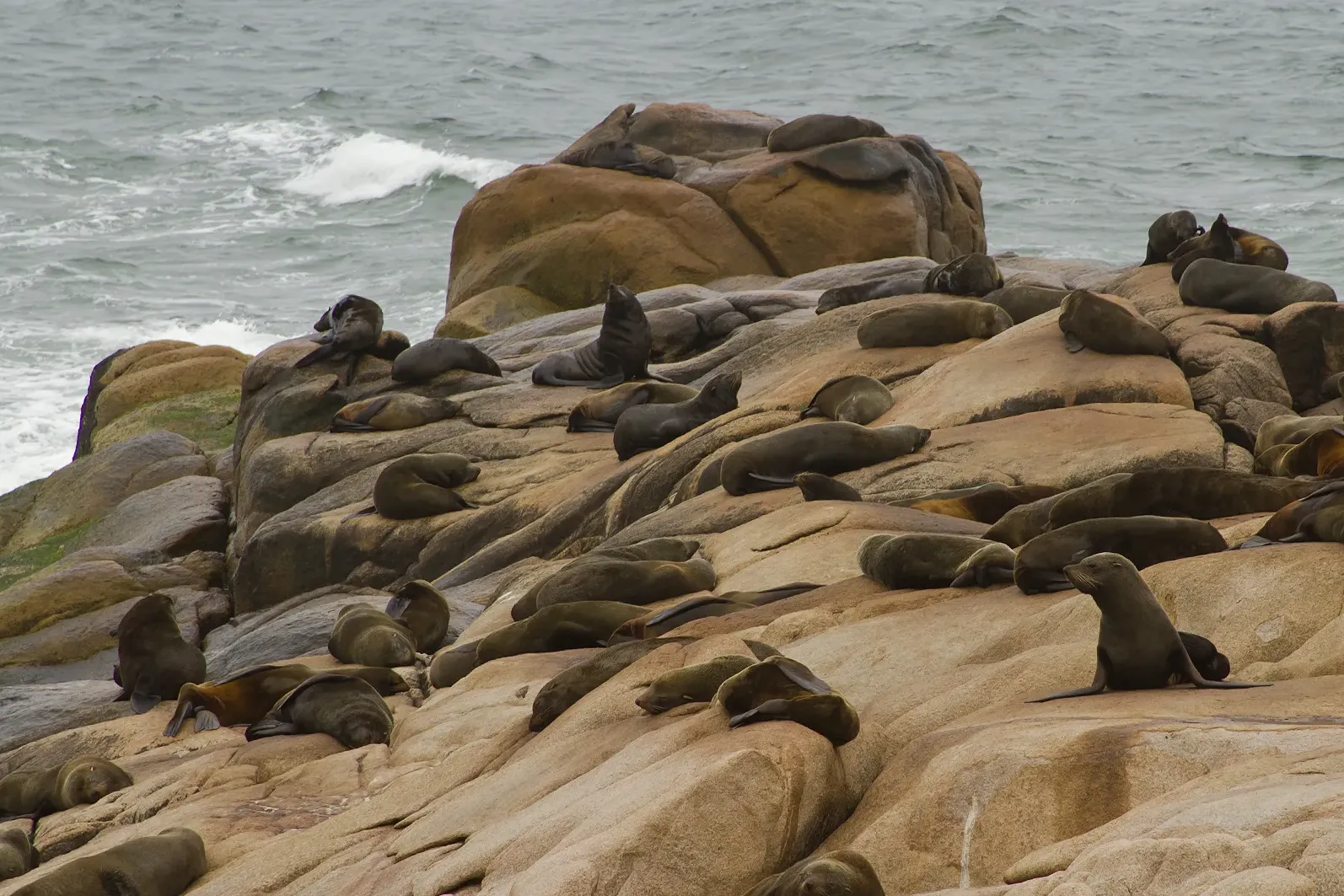
Cabo Polonio is a national icon because it is home to one of the largest sea lion reserves in the world and to its 1881 lighthouse, vital in preventing historic shipwrecks. Its cultural value lies in its resistance to modernity, maintaining a disconnected way of life without a conventional power grid.

What is the best time to travel to Cabo Polonio?

If you are looking for sun and beach time, January and February are the warmest months, although they are also the busiest. For a more introspective, quiet experience with good walking weather, March, April, and November are exceptional.

Is the place accessible for people with reduced mobility?

It is a challenging destination in terms of accessibility because of its loose sandy streets and dunes, which make wheelchair use very difficult. In addition, getting on and off the 4x4 trucks requires climbing high steps, so it is not the most friendly terrain for limited mobility.

What other tourist sites are nearby to visit?

Very close by is **Barra de Valizas**, famous for its huge dunes that connect on foot with the cape. A few kilometers away by car, you can also visit the charming village of Punta del Diablo, known for its bohemian atmosphere and excellent surfing beaches.

What practical tips should I know before going?

Bring cash (Uruguayan pesos), since there are no ATMs and few places accept cards. It is essential to bring a flashlight for the night, sunscreen, and a windbreaker, since the ocean breeze can be cool even in summer.

¿Prefieres escuchar en español?

🇪🇸 Escucha la audioguía de Cabo Polonio National Park en español