¿Sabías que este puente de la amistad fue bloqueado por meses en una guerra de vecinos que llegó hasta La Haya? Escucha los dramas que lo convierten en leyenda viva.
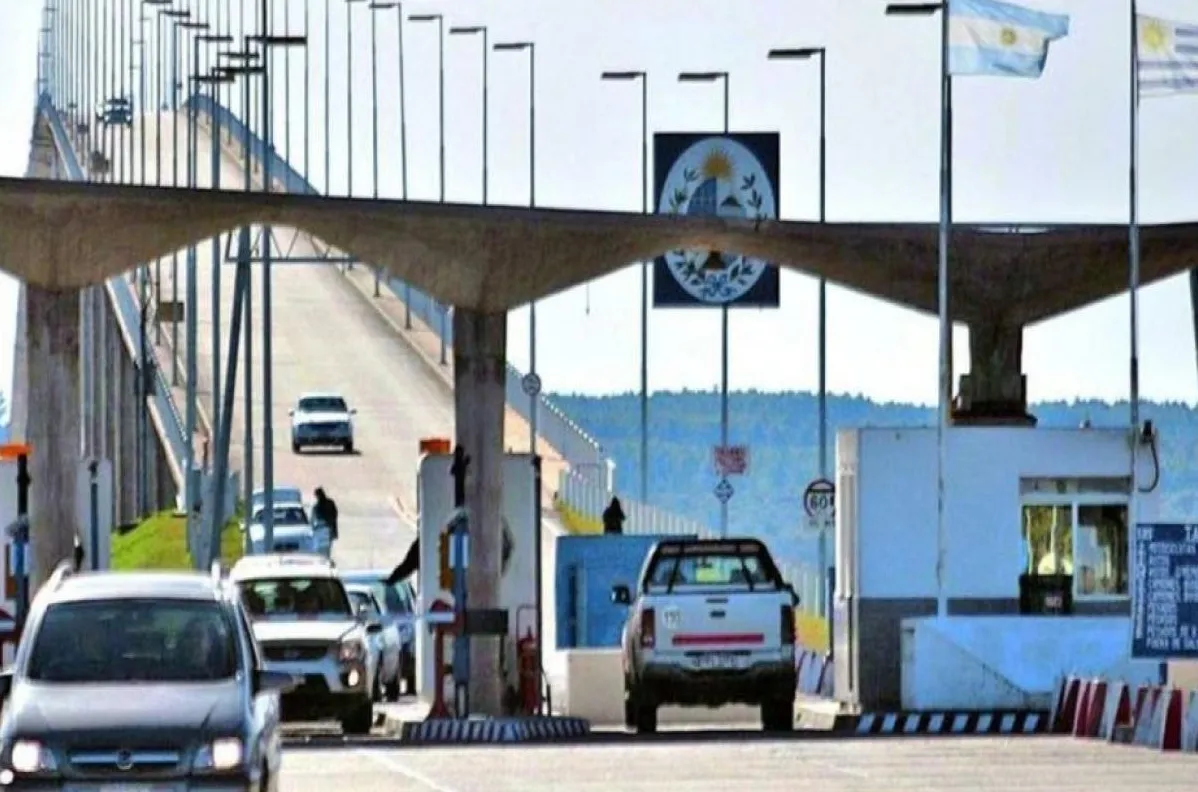
Yes, as an international bridge linking two countries, the General San Martín International Bridge remains open 24 hours a day, 7 days a week, all year round. However, keep in mind possible temporary closures for maintenance or special events, which are usually announced by the traffic authorities. For more details, you can consult customs information from Uruguay and Argentina.
Crossing the General San Martín International Bridge by vehicle involves a toll, which varies depending on the type of vehicle. However, if your intention is to walk or stop at the viewpoints (where permitted and safe), this activity is completely free. We recommend checking current toll rates on the respective customs or traffic authority websites.
If you only plan to cross the bridge by car, the trip is relatively quick, around 5 to 10 minutes, not including customs delays. If you want to stop at the viewpoints or enjoy the scenery, you could spend between 30 minutes and an hour appreciating the river views and surroundings. Keep in mind border waiting times, especially during high season.
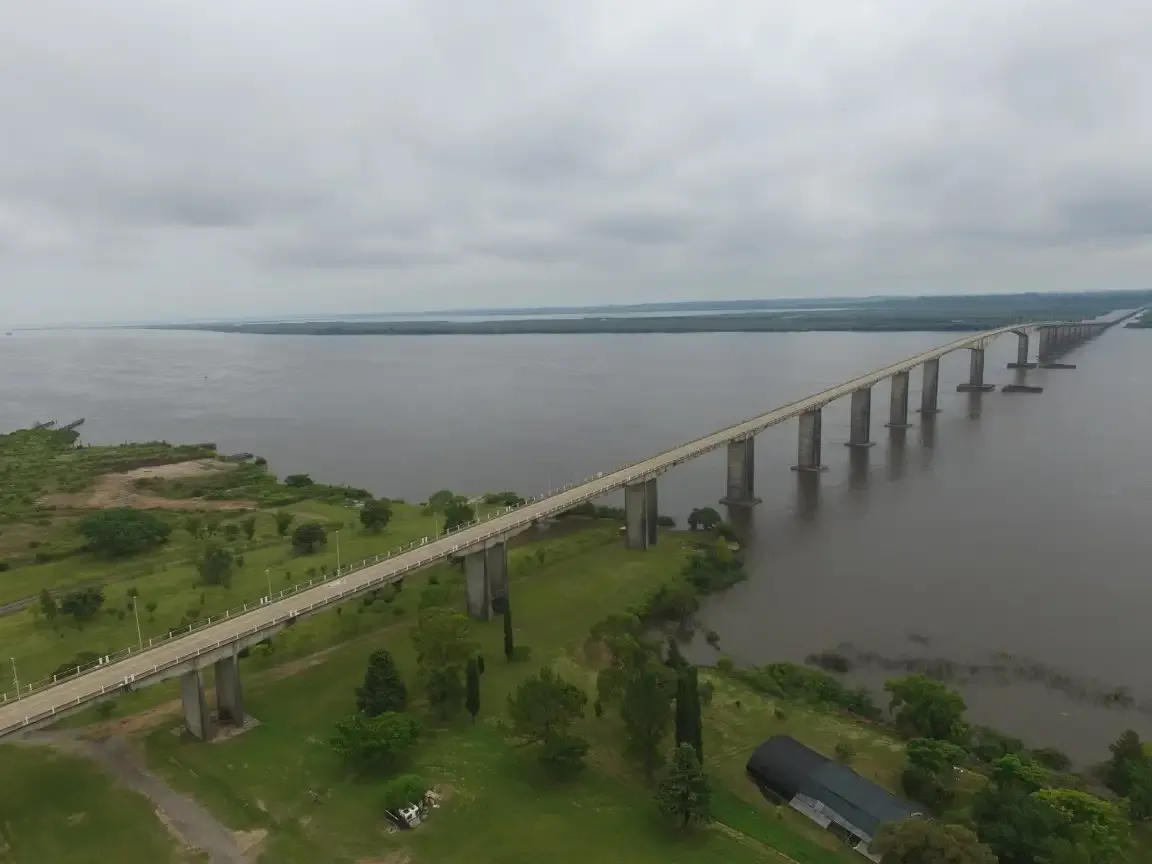
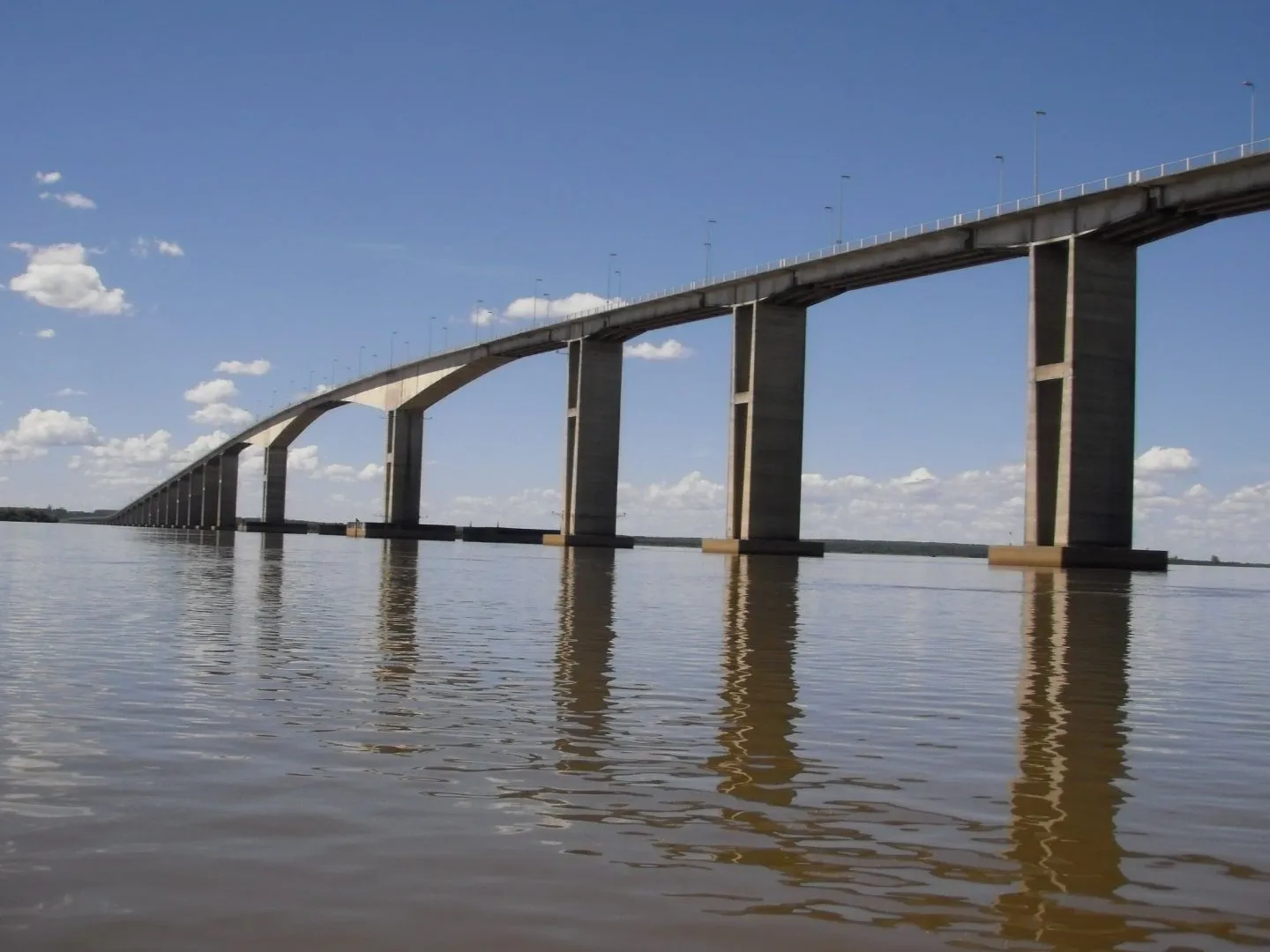
This bridge is a symbol of brotherhood and connection between Uruguay and Argentina. Opened in 1976, it is one of the few land crossing points between the two countries, facilitating trade, tourism, and cultural ties. Its name honors the hero of South American independence, José de San Martín, reinforcing its meaning as a link between sister nations.
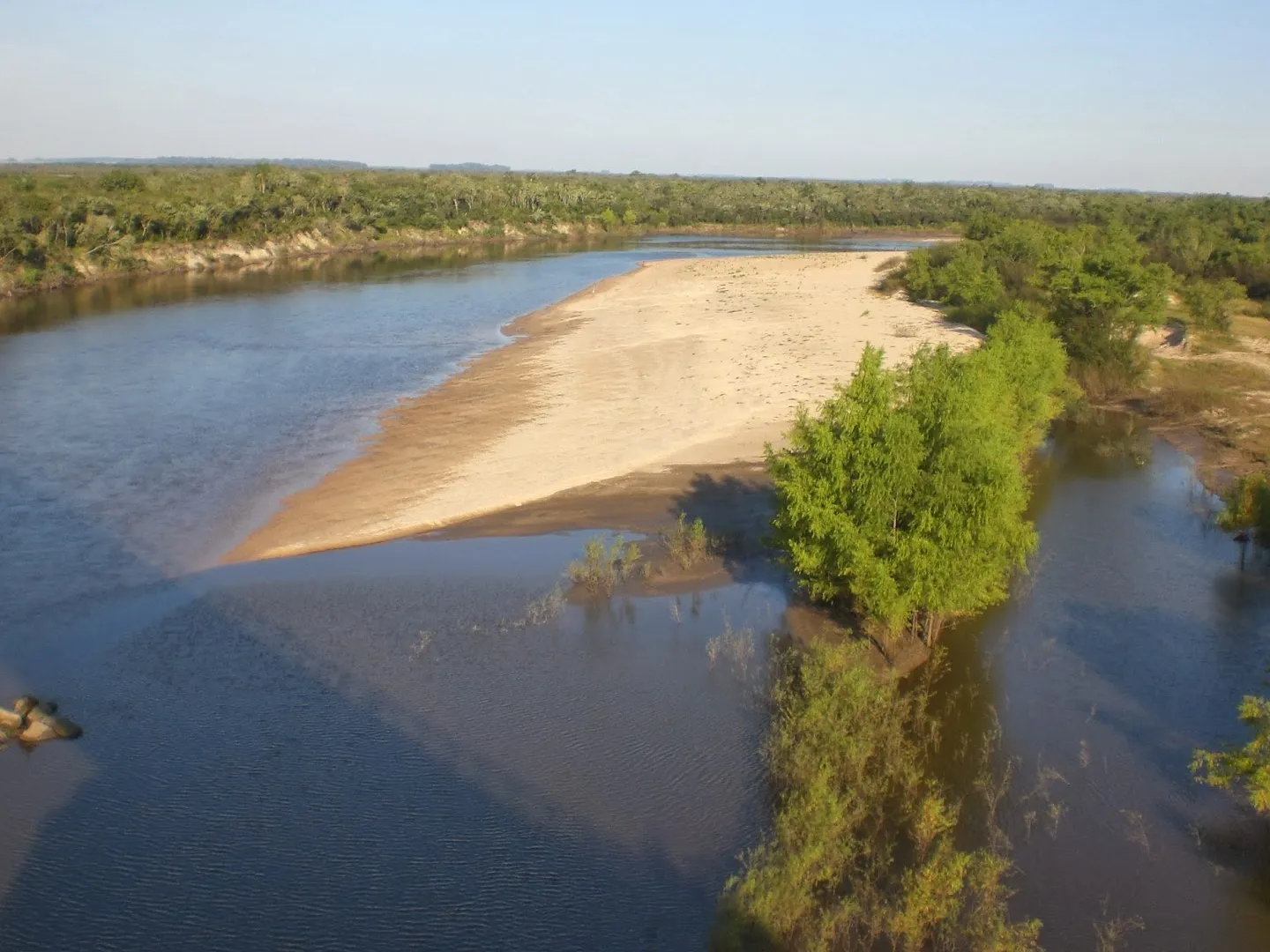
The best time to visit the bridge is at sunrise or sunset, when the light is softer and the colors of the sky over the Uruguay River are spectacular, ideal for photography. As for the time of year, spring (September to November) and autumn (March to May) offer more pleasant temperatures, avoiding the intense summer heat or winter cold. Weekends and public holidays may have heavier border traffic.
As it is a vehicle traffic infrastructure, pedestrian access to the bridge can present challenges for people with reduced mobility due to safety barriers and the lack of adapted pedestrian paths in certain sections. However, the customs areas and some observation points at each end usually have ramps and facilities. It is always advisable to contact border authorities for specific accessibility information at the checkpoints. You can look for information at Uruguay Customs or Argentina AFIP.
On the Uruguayan side, very close to the bridge, is the city of Fray Bentos, declared a World Heritage Site for its former Anglo meatpacking plant, now the Museum of the Industrial Revolution. Also, the Guaviyú or Almirón hot springs are great options for a relaxing day. On the Argentine side, the city of Gualeguaychú is famous for its carnival and beaches. Both cities offer rich local cuisine and cultural activities.
If you are going to cross, make sure all your documents are valid and in order to speed up customs procedures. If you only want to observe, find a safe place to stop near either end of the bridge (always respecting traffic and safety signs). Bring a camera, especially if you go at sunrise or sunset. And if you travel in summer, do not forget sunscreen and water. Enjoy the views between two countries!
¿Prefieres escuchar en español?
🇪🇸 Escucha la audioguía de General San Martín International Bridge en español