No te vayas sin conocer la historia Suscribete
IAudioGuia iaudioguia
Audio Guides of Fray Bentos

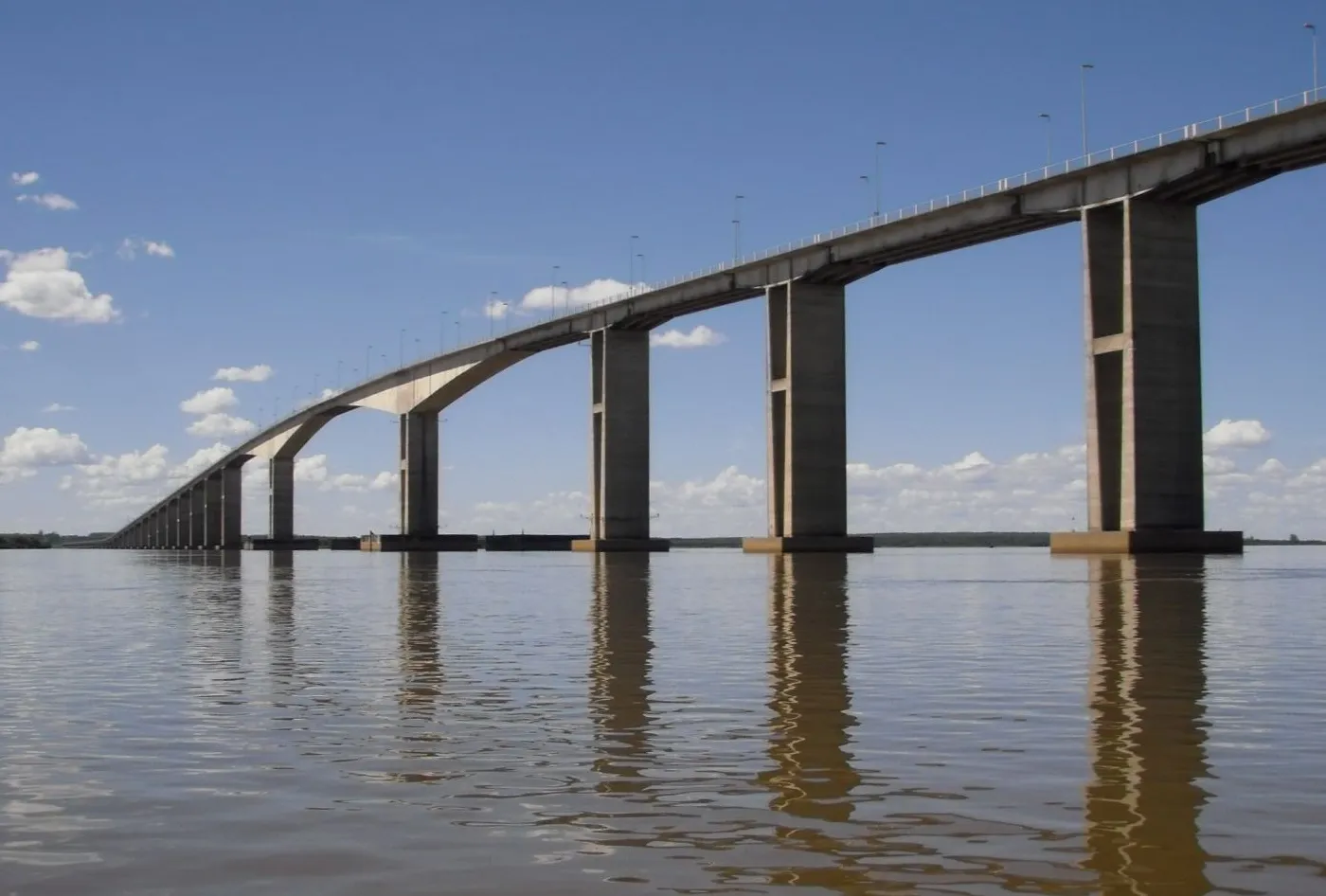
Audio Guide of General San Martín Liberator Bridge

¿Sabías que este puente unió dos países en plena tormenta política, salvando el comercio de carne que alimentó al mundo?

✓ What guidebooks don't tell you
✓ Secrets other tourists miss
✓ Listen while you explore
Discover everything
00:00
00:00
Rate this audio guide

📖 Audio Guide Chapters

6 chapters

1. The crossing that nearly drowned in the river

🔒 Premium Content

Subscribe to access all chapters of this audio guide.

2. The cables hiding genius and sweat

🔒 Premium Content

Subscribe to access all chapters of this audio guide.

3. Binational loves and clenched fists

🔒 Premium Content

Subscribe to access all chapters of this audio guide.

4. Ghost ferries and meat for the world

🔒 Premium Content

Subscribe to access all chapters of this audio guide.

5. Marks in the metal that shout stories

🔒 Premium Content

Subscribe to access all chapters of this audio guide.

6. The legacy you carry in your pocket

🔒 Premium Content

Subscribe to access all chapters of this audio guide.

❓ Frequently Asked Questions

Does the General San Martín Liberator Bridge have visiting hours, or can I cross at any time?

The General San Martín Liberator Bridge is an international border crossing linking Uruguay and Argentina, so it is open 24 hours a day, 7 days a week. You can cross whenever you like, but do not forget to have all your customs and immigration documents in order!

Is there a cost to cross the General San Martín Liberator Bridge, or is it free?

Yes, there is currently a charge to cross the bridge. A toll is collected, and the amount varies depending on the type of vehicle. I recommend checking the latest rates to avoid surprises and to have the right currency on hand. You can find information on the website of Uruguay's National Customs Directorate or Argentina's National Gendarmerie.

How much time is recommended for the experience of crossing and perhaps enjoying the views from the bridge?

The crossing itself can take between 15 and 45 minutes, depending on traffic and customs checks. If you mean enjoying the scenery, you can spend a few extra minutes at nearby viewpoints if you stop before or after crossing. The view of the Uruguay River is truly impressive, so take your time!

What historical or cultural importance does the General San Martín Liberator Bridge have?

This bridge is a symbol of unity and brotherhood between Uruguay and Argentina, inaugurated in 1976. It greatly facilitated trade and tourism between the two countries, becoming a vital artery for regional integration. Its name honors a hero of South American independence, reinforcing its historical value.

What is the best time of year or time of day to cross the bridge and enjoy the views?

To avoid peak traffic, I recommend crossing early in the morning or at sunset, especially on weekends or holidays. At sunset, the views of the river and surroundings are often spectacular because of the colors in the sky. Spring and autumn offer more pleasant weather and fewer crowds than summer.

Is the General San Martín Liberator Bridge accessible for people with reduced mobility?

As a vehicle crossing infrastructure, the bridge itself is accessible for people with reduced mobility traveling by car. However, when you arrive at the toll booths or customs posts, I suggest mentioning your situation so you can receive any necessary assistance and speed up the process. Customs and immigration buildings usually have ramps and accessible entrances.

Besides the bridge, what other attractions or places of interest can I visit in Fray Bentos?

Fray Bentos has a lot to offer! You should not miss the Anglo Quarter (UNESCO World Heritage Site), with its iconic Fray Bentos meatpacking plant. I also recommend the Museum of the Industrial Revolution and a walk along the waterfront to enjoy the Uruguay River. The Waterfront Promenade offers lovely views.

Any practical advice to make the most of my visit to the bridge and the border crossing?

Of course! Make sure you carry all your documents (ID, vehicle registration card, insurance) in order and within easy reach to speed up customs procedures. If you are traveling by car, check that it is in good condition. I also recommend bringing some cash in Uruguayan or Argentine pesos for the toll, although cards are usually accepted. And do not forget your camera for photos!

¿Prefieres escuchar en español?

🇪🇸 Escucha la audioguía de General San Martín Liberator Bridge en español