No te vayas sin conocer la historia Suscribete
IAudioGuia iaudioguia
Audio Guides of Pan De Azucar

Native Wildlife Reserve Audio Guide

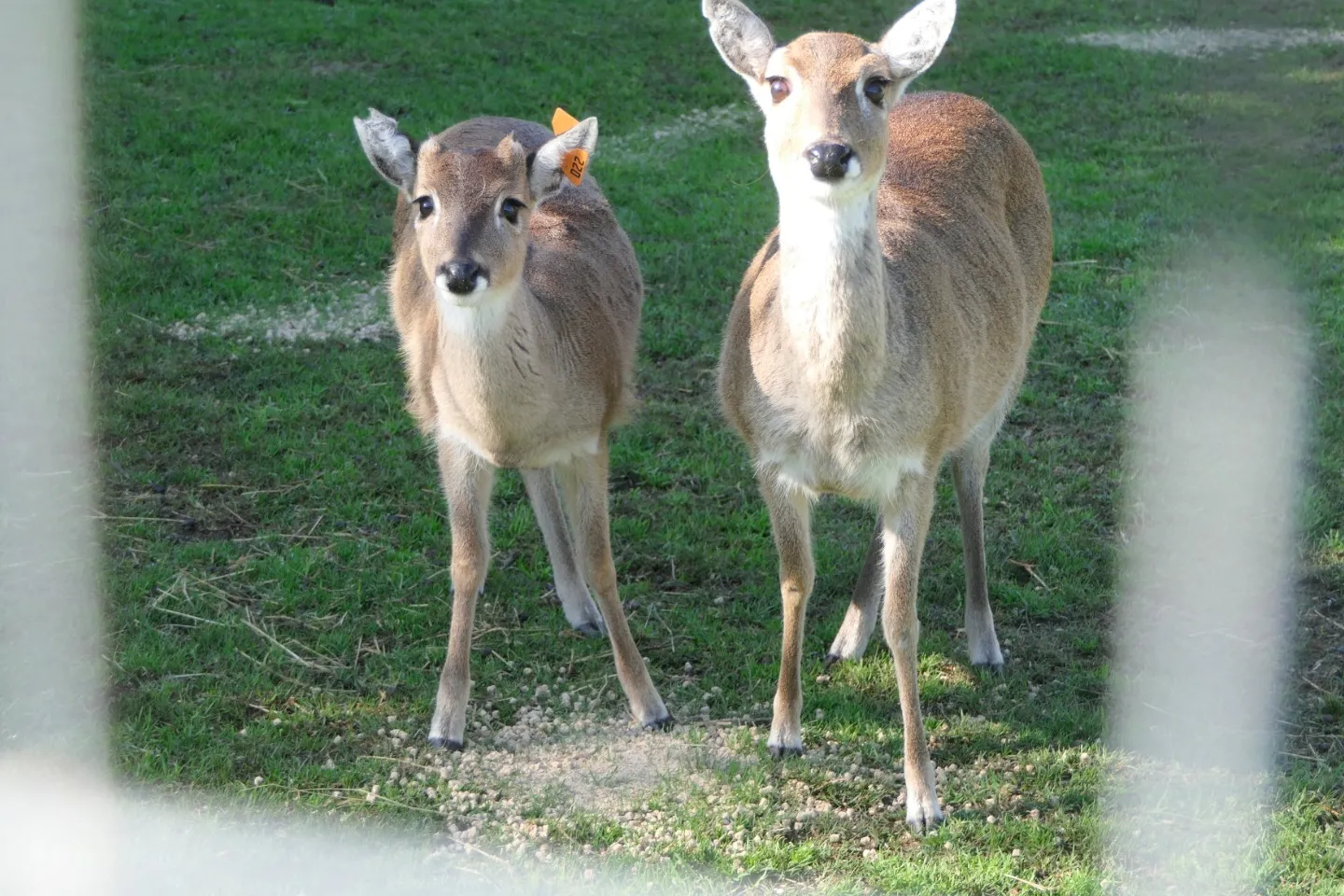
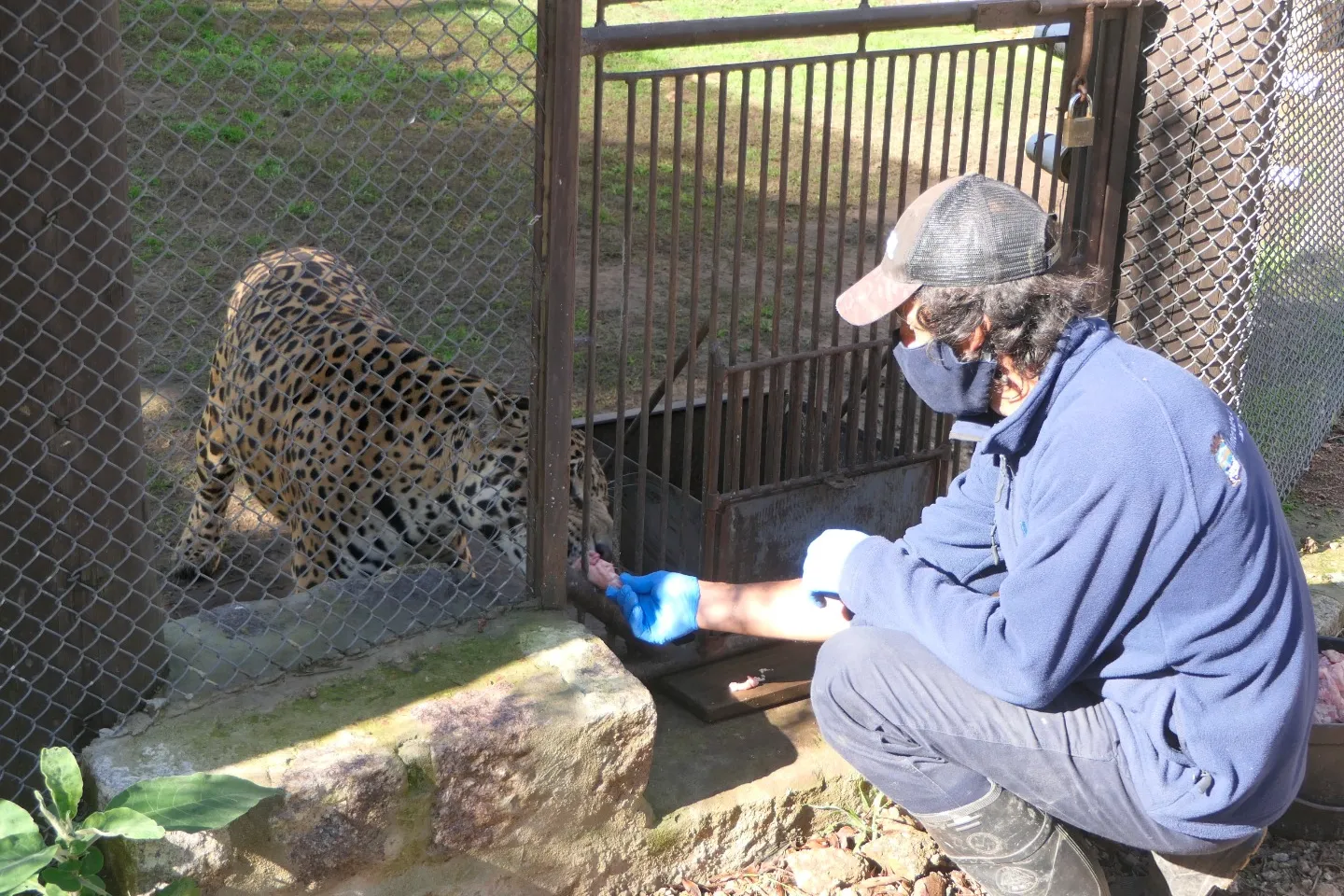
Donde los carpinchos ladrones y los ñandús enamoradizos escriben la verdadera historia de la naturaleza uruguaya

✓ What guidebooks don't tell you
✓ Secrets other tourists miss
✓ Listen while you explore
Discover everything
00:00
00:00

📖 Audio Guide Chapters

6 chapters

1. When the armadillos declared independence

🔒 Premium Content

Subscribe to access all chapters of this audio guide.

2. The secret treaty of the thorny woodland

🔒 Premium Content

Subscribe to access all chapters of this audio guide.

3. José, the man who spoke capybara

🔒 Premium Content

Subscribe to access all chapters of this audio guide.

4. The day the reptiles elected a mayor

🔒 Premium Content

Subscribe to access all chapters of this audio guide.

5. The claw war on the ancient oak

🔒 Premium Content

Subscribe to access all chapters of this audio guide.

6. What to take with you when the reserve closes your eyes

🔒 Premium Content

Subscribe to access all chapters of this audio guide.

❓ Frequently Asked Questions

What are the opening hours of the Cerro Pan de Azúcar Native Wildlife Reserve and how can I get there?

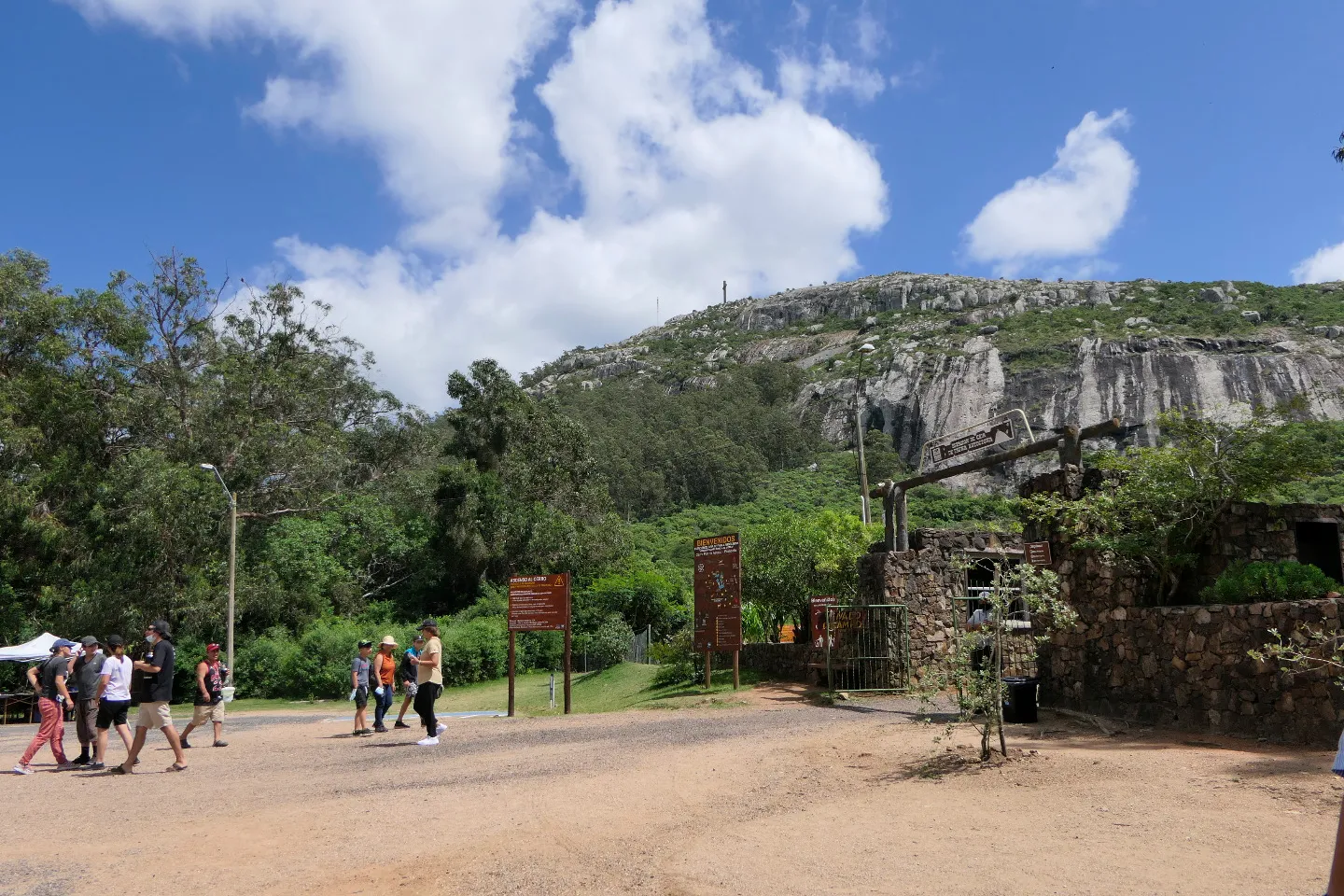
The reserve is open every day from 8:00 AM to 6:00 PM, and the trail leading to the summit of the hill is open until 5:00 PM. You can get there easily by car, and parking is available. For more details on how to get there, you can check Google Maps.

Is there an admission fee to enter the Cerro Pan de Azúcar Native Wildlife Reserve?

Good news! Admission to the Cerro Pan de Azúcar Native Wildlife Reserve is completely free. You can enjoy nature and the animals without worrying about your budget. However, voluntary donations are accepted to help maintain the site.

How much time is recommended to visit the reserve and enjoy all its attractions?

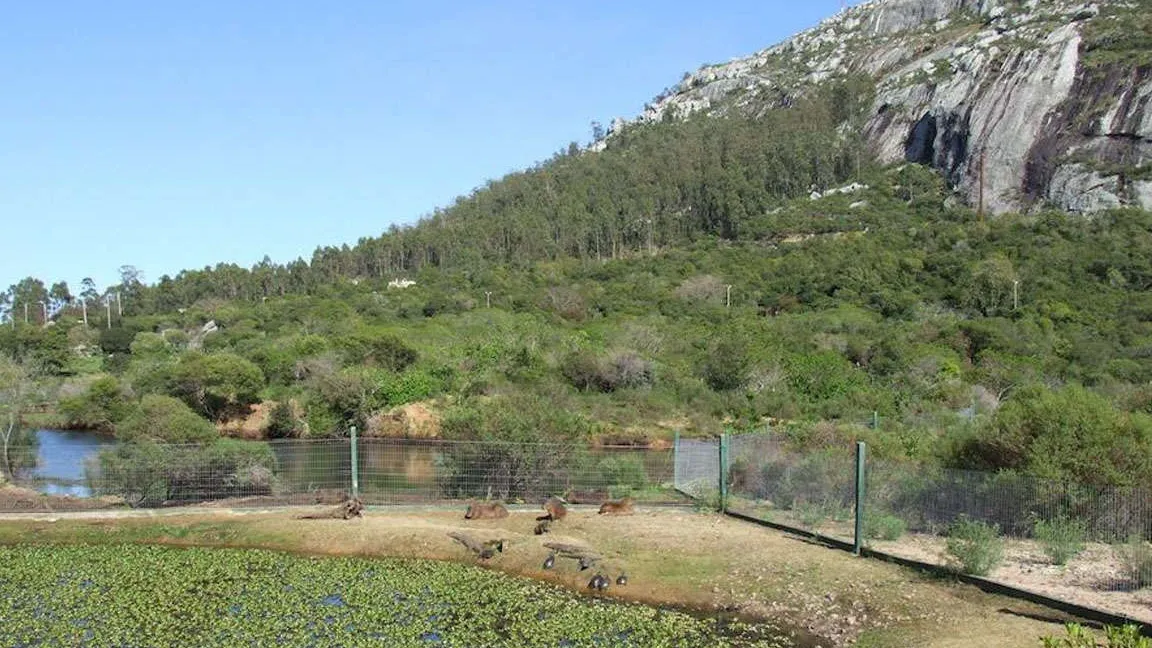
For a full experience, we recommend allowing at least 3 to 4 hours. This will let you explore the trails at a relaxed pace, observe the animals in their enclosures, and, if you feel up to it, climb to the summit of Cerro Pan de Azúcar to enjoy the stunning panoramic views.

What history or significance does this place have beyond being a wildlife reserve?

The reserve is not only a refuge for native wildlife, but it also holds historical significance. Cerro Pan de Azúcar is one of the highest points in Uruguay, and its geological and cultural importance is recognized locally. In addition, a monumental cross stands at the summit, serving as a symbol of devotion and an exceptional lookout point.

What is the best time to visit the Cerro Pan de Azúcar Native Wildlife Reserve?

Spring (September to November) and autumn (March to May) are the ideal seasons thanks to the pleasant temperatures. If you plan to hike up the hill, I suggest going early in the morning to avoid the intense heat and enjoy the tranquility, or late in the afternoon to admire the sunset from the top.

Is the reserve accessible for people with reduced mobility or wheelchair users?

The area of the reserve where the animals are located has accessible paths and relatively flat surfaces. However, the ascent to Cerro Pan de Azúcar is more difficult due to the uneven terrain. We recommend contacting the administration directly for more detailed information: +598 4440 2636.

Is there anything interesting to visit near the Cerro Pan de Azúcar Native Wildlife Reserve?

Absolutely! The town of Pan de Azúcar has local charm, and nearby, Punta del Este and Piriápolis are vibrant coastal destinations with beaches, food, and nightlife. You can also visit Sierra de las Ánimas Park if you enjoy hiking.

What practical tips would you give me to make the most of my visit to the reserve?

Bring comfortable shoes, sunscreen, a hat, water, and insect repellent, especially if you plan to climb the hill. Don’t forget your camera to capture the beauty of the landscape and wildlife. Please follow the guidelines, do not feed the animals, and help keep the environment clean to preserve this beautiful place.

¿Prefieres escuchar en español?

🇪🇸 Escucha la audioguía de Native Wildlife Reserve Audio Guide en español