No te vayas sin conocer la historia Suscribete
IAudioGuia iaudioguia
Audio Guides of Dunas

Audio Guide of the Cabo Polonio Dunes

¿Sabías que estas arenas traicioneras han devorado más de cien barcos y aún esconden fósiles de gigantes prehistóricos?

✓ What guidebooks don't tell you
✓ Secrets other tourists miss
✓ Listen while you explore
Discover everything
00:00
00:00
Rate this audio guide

📖 Audio Guide Chapters

6 chapters

1. The Underwater Graveyard That Welcomes You

🔒 Premium Content

Subscribe to access all chapters of this audio guide.

2. Sands That Dance with the Treacherous Wind

🔒 Premium Content

Subscribe to access all chapters of this audio guide.

3. Lonely Lighthouse Keepers and Love in the Storm

🔒 Premium Content

Subscribe to access all chapters of this audio guide.

4. Fossils Spat Out by the Sea and Wild Myths

🔒 Premium Content

Subscribe to access all chapters of this audio guide.

5. Marks in the Sand That 99% Ignore

🔒 Premium Content

Subscribe to access all chapters of this audio guide.

6. The Whisper You Carry Away in Your Shoes

🔒 Premium Content

Subscribe to access all chapters of this audio guide.

❓ Frequently Asked Questions

How do you get to the Cabo Polonio Dunes and what are the opening hours?

Access is mainly by authorized 4x4 trucks departing from the terminal on Route 10, generally operating from 7:00 a.m. to 8:00 p.m. (varies by season). You can also walk about 7 km across the dunes, a free adventure available throughout daylight hours.

Do you have to pay an entrance fee to visit the dunes?

Access to the National Park and the dunes themselves is free, as this is a protected public area. However, transportation on the 4x4 trucks requires a round-trip ticket, which is paid at the entrance terminal.

How much time do you recommend for visiting the area?

To enjoy the dunes, climb the lighthouse, and see the sea lions, at least a full day is recommended (arriving in the morning and returning at sunset). If you want a complete escape, stay overnight to see the starry sky without light pollution.

What makes this dune system so special?

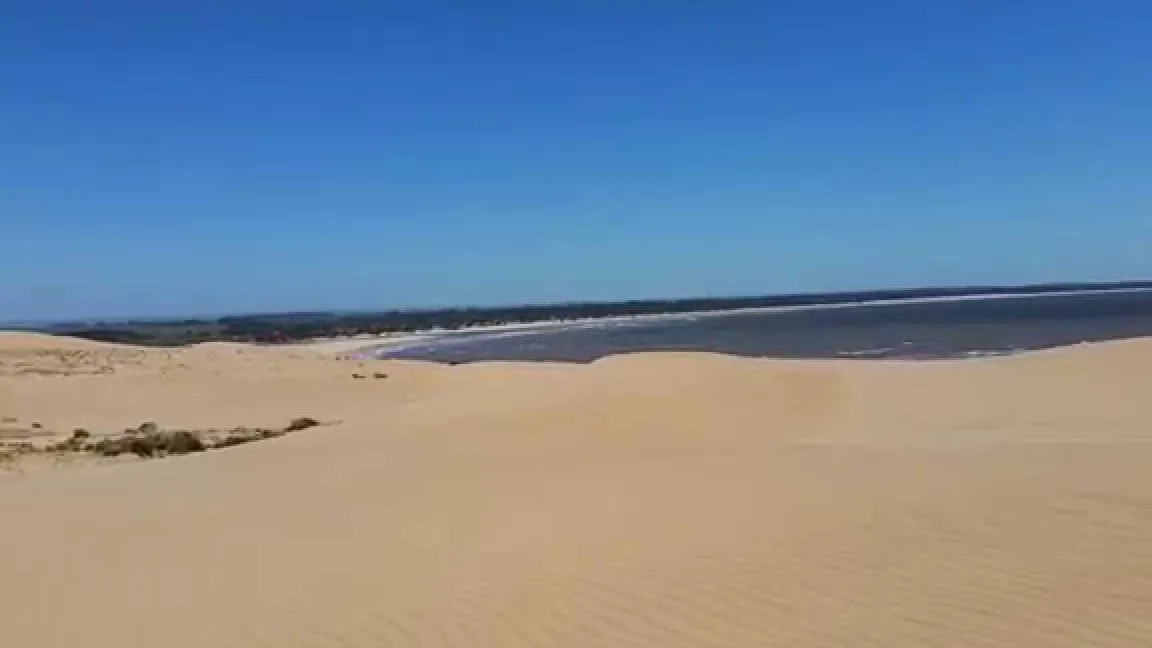
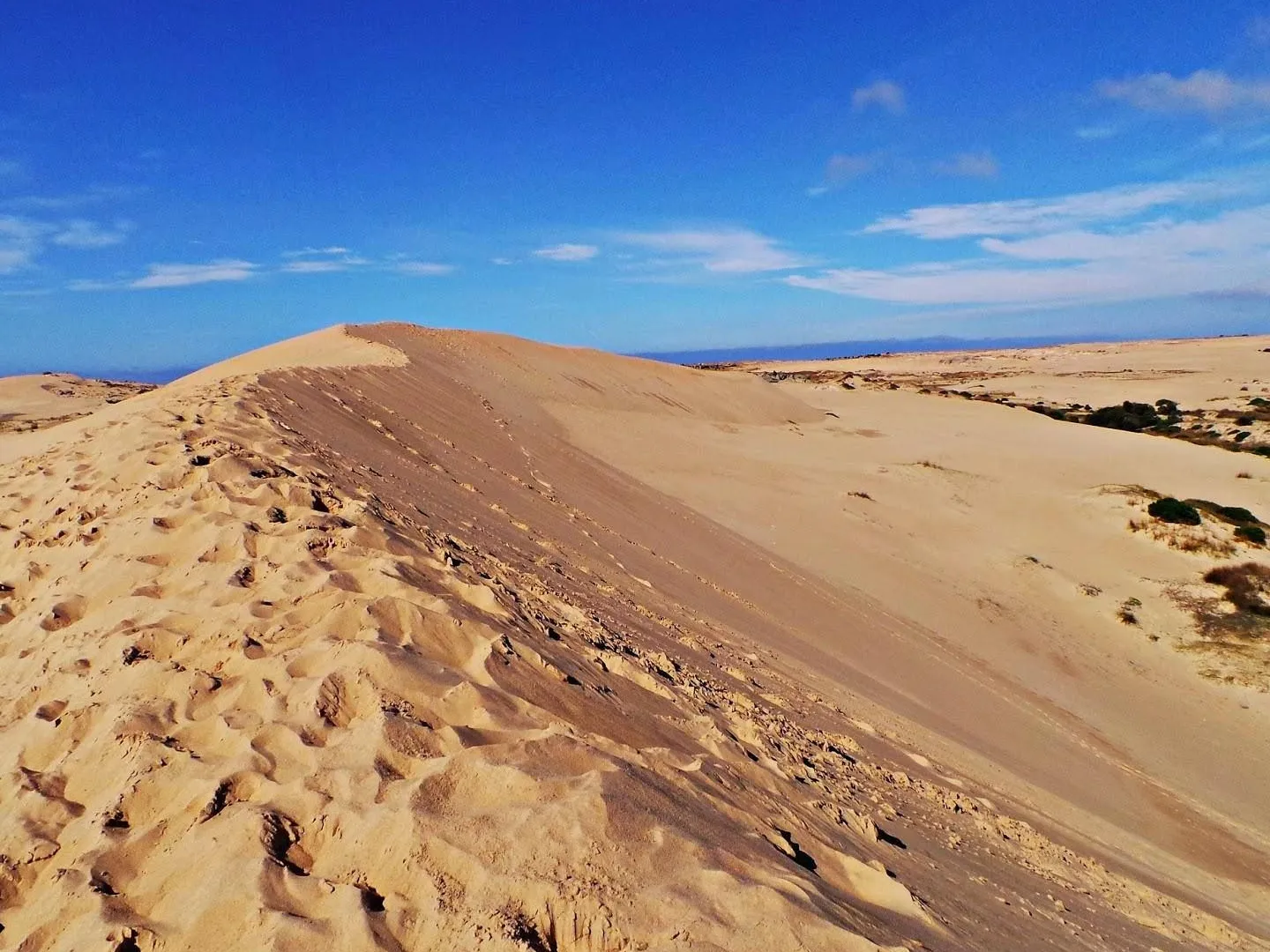
These moving dunes are remnants of a geological formation thousands of years old and were declared a Natural Monument for their ecosystem value. Their constant movement caused by the wind changes the landscape every day, creating sand hills up to 30 meters high facing the Atlantic.

What is the best time of year or day to go?

Spring and early autumn (March-April) are ideal for avoiding crowds and extreme heat. The unmissable time of day is sunset over the dunes; the golden light offers an incomparable visual spectacle and unique photo opportunities.

Is it accessible for people with reduced mobility?

Unfortunately, accessibility is very limited due to the nature of the terrain (deep, loose sand) and the type of transport (high trucks). It is not a recommended destination for wheelchairs or people with serious mobility difficulties.

What other attractions are near the dunes?

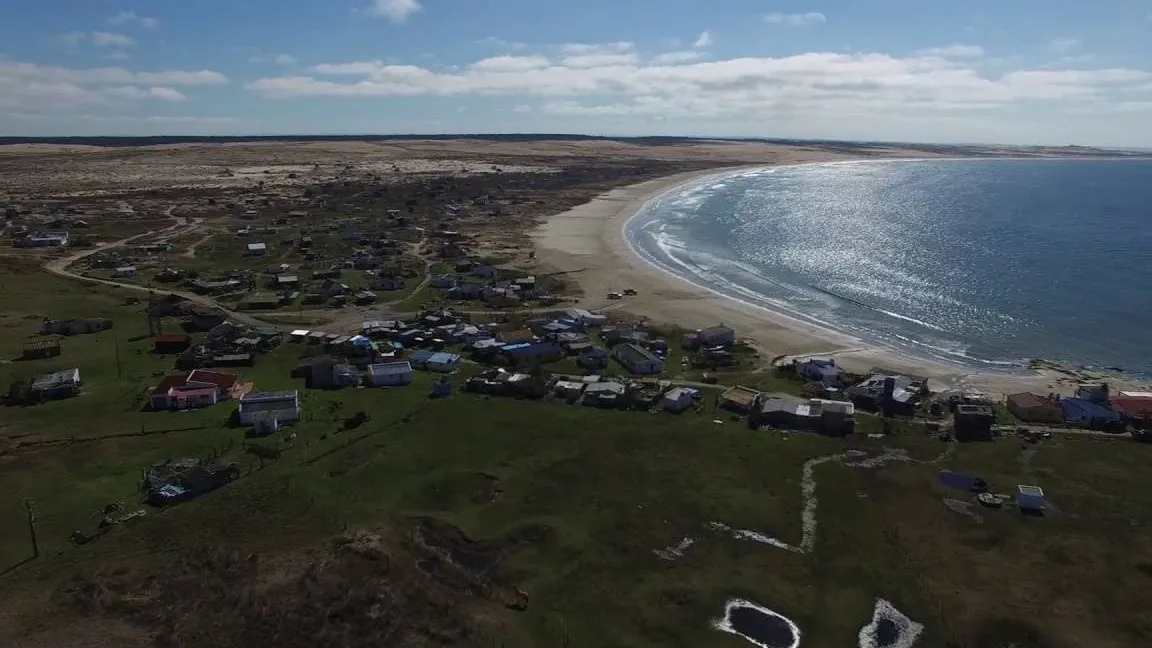
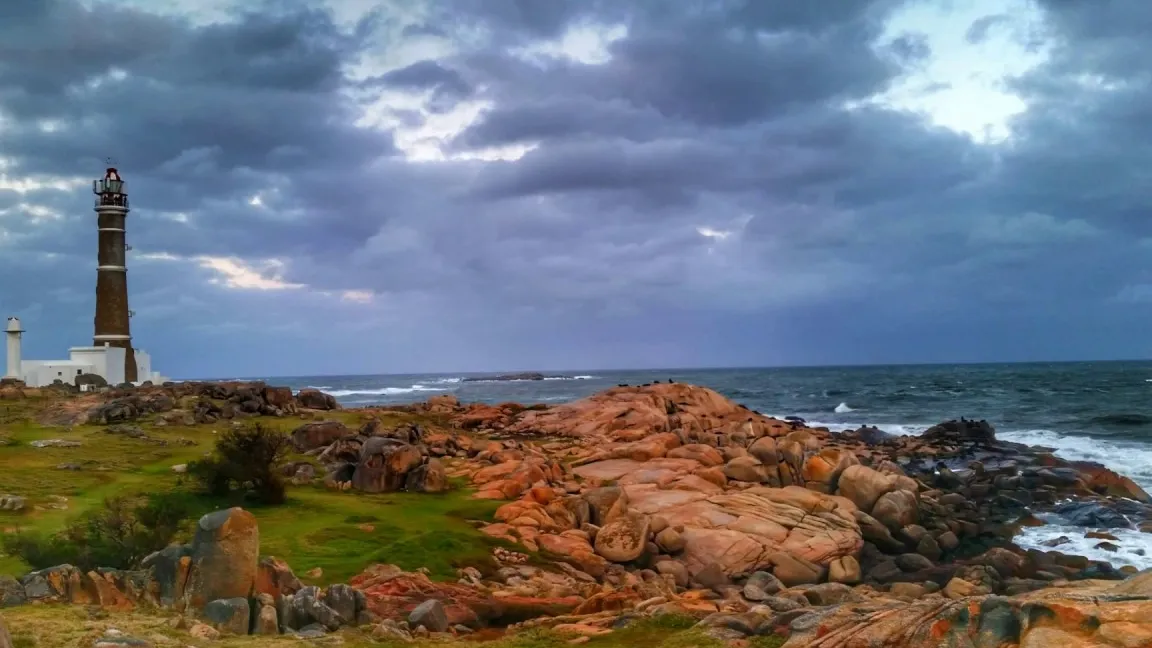
Right next to them is the iconic Cabo Polonio Lighthouse and one of the largest sea lion reserves in the world. You can also take the famous 8 km walk along the coast and dunes to the neighboring village of Barra de Valizas.

What practical tips should I keep in mind before going?

Always bring water, sunscreen, and a hat, as there is no natural shade on the dunes. It is essential to carry cash (few places accept cards), a flashlight if you stay late (there is no public electric lighting), and comfortable footwear for walking on sand.

¿Prefieres escuchar en español?

🇪🇸 Escucha la audioguía de the Cabo Polonio Dunes en español