No te vayas sin conocer la historia Suscribete
IAudioGuia iaudioguia
Audio Guides of Melo

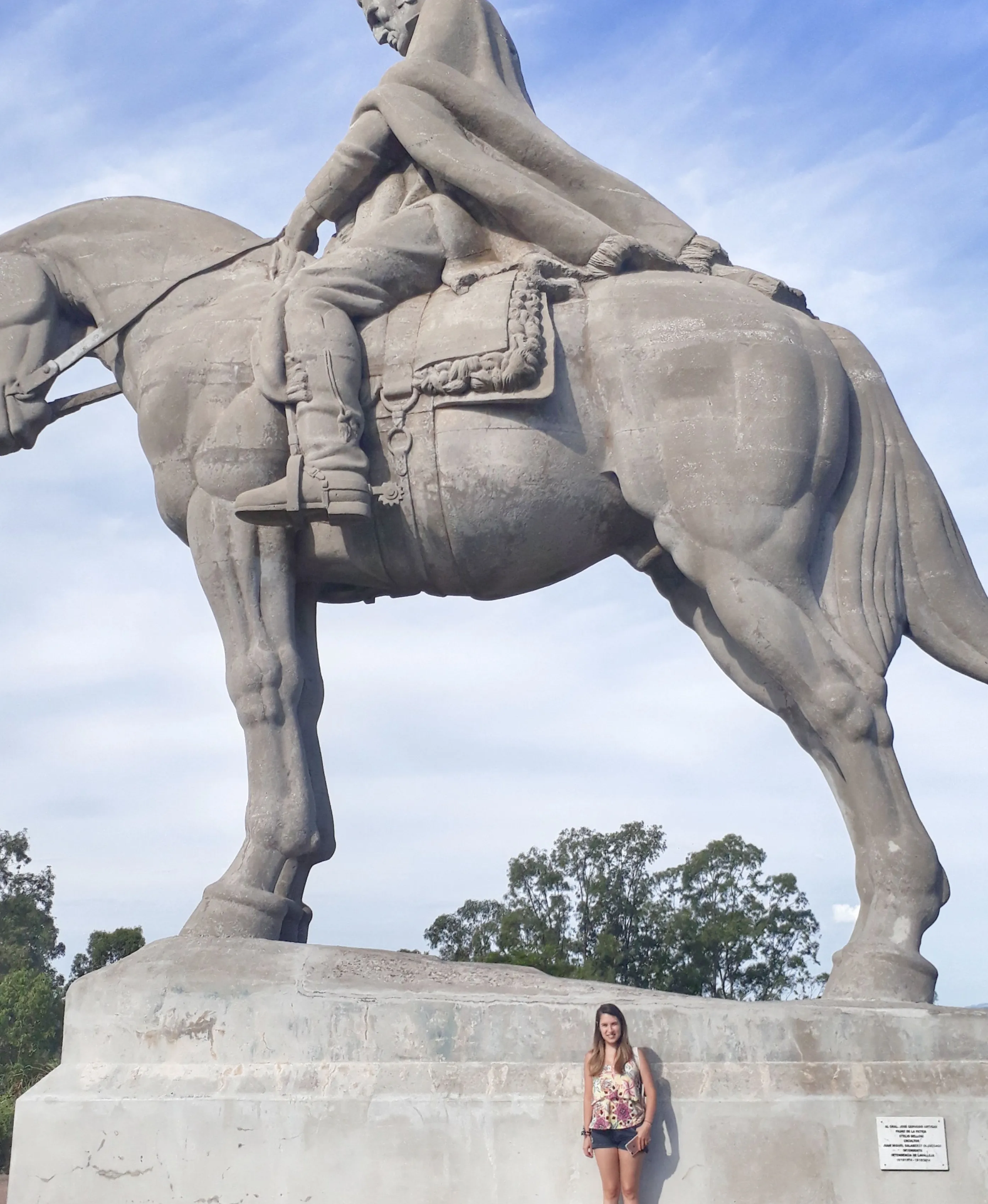
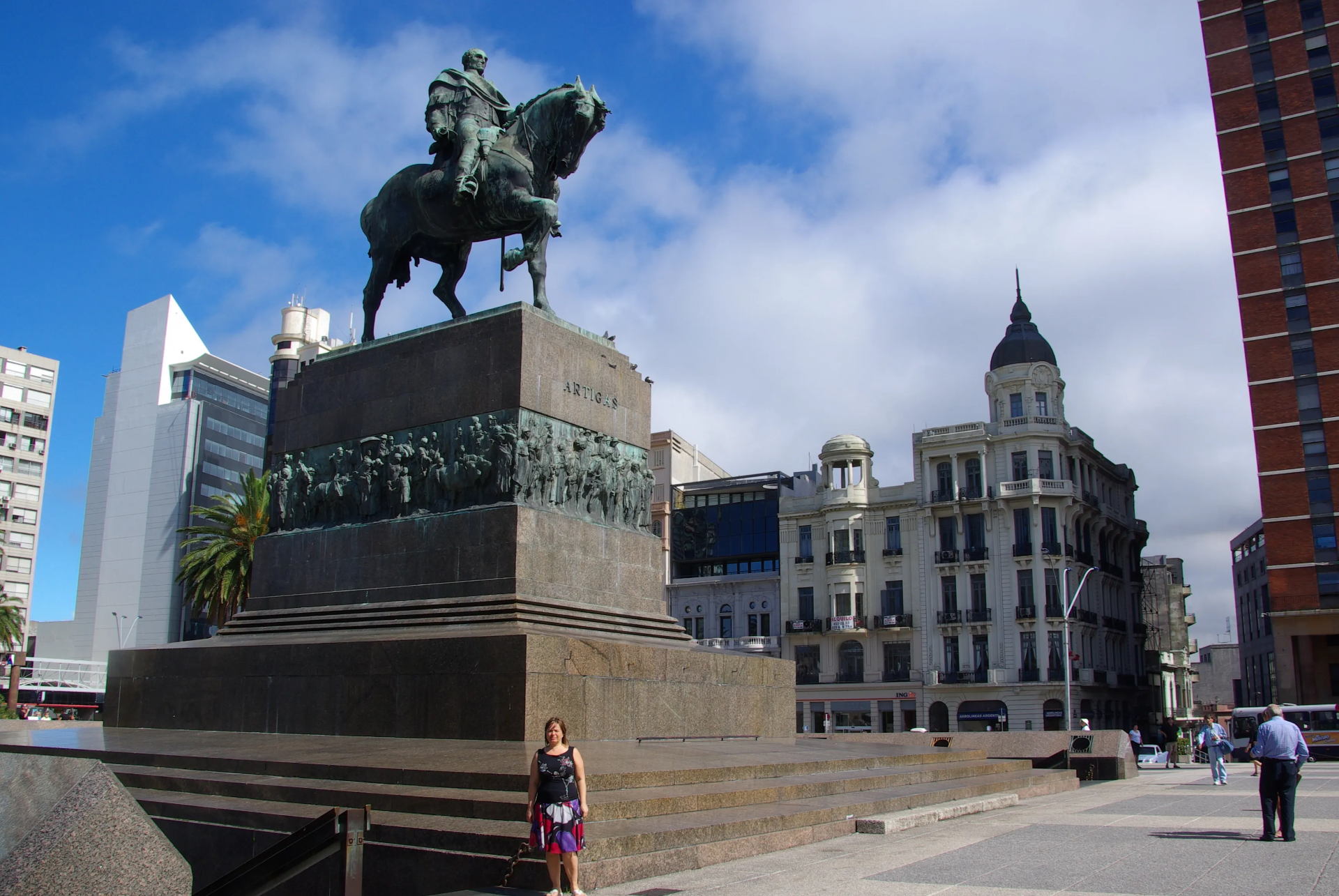
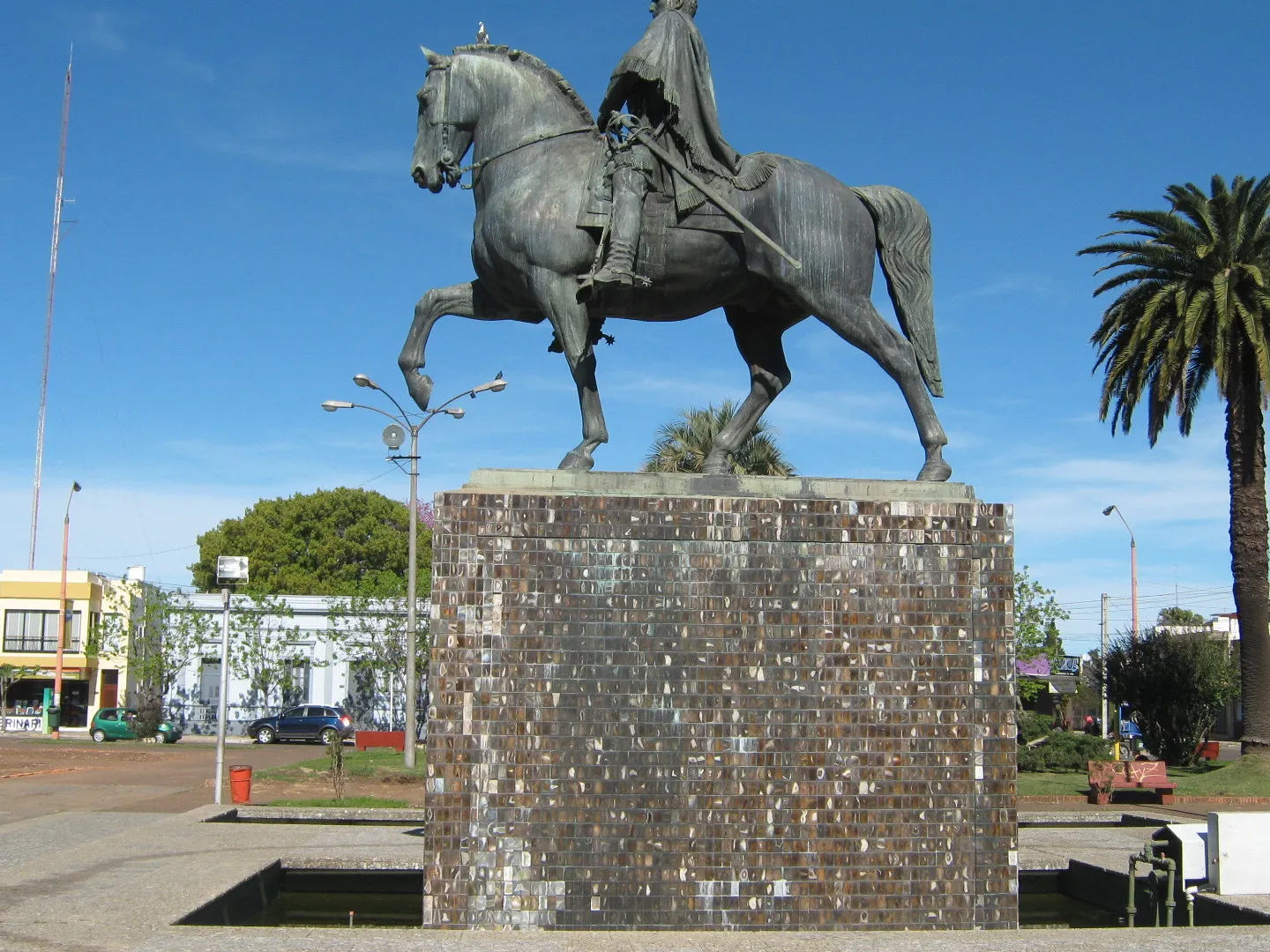
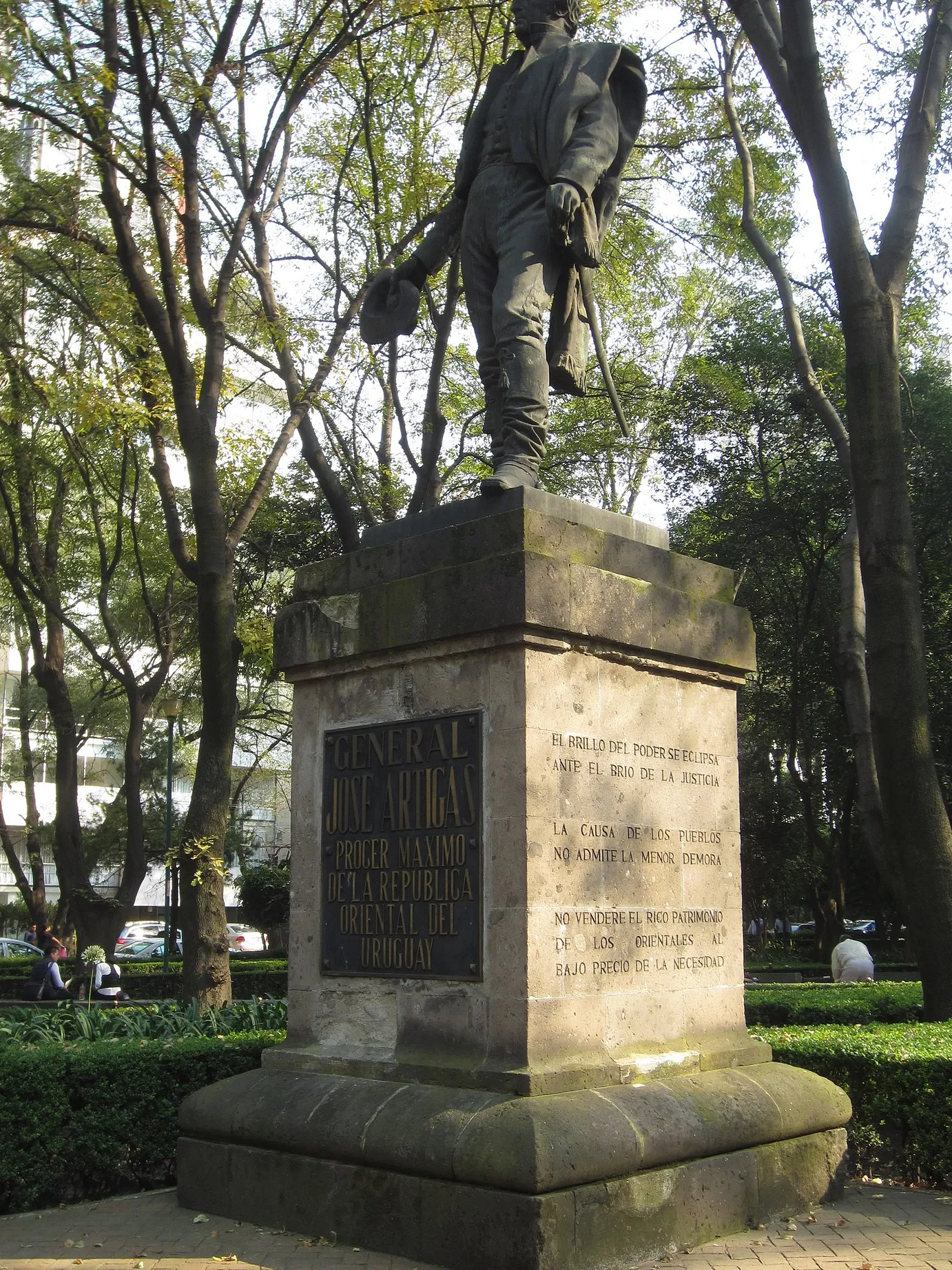
Audio Guide of the José Artigas Monument

Imponente estatua ecuestre que honra al Protector de los Pueblos Libres en el centro de Melo, símbolo de la independencia uruguaya y el federalismo.

✓ What guidebooks don't tell you
✓ Secrets other tourists miss
✓ Listen while you explore
Discover everything
00:00
00:00
Rate this audio guide

📖 Audio Guide Chapters

6 chapters

1. Introduction and History

🔒 Premium Content

Subscribe to access all chapters of this audio guide.

2. Architecture and Design

🔒 Premium Content

Subscribe to access all chapters of this audio guide.

3. Art and Decoration

🔒 Premium Content

Subscribe to access all chapters of this audio guide.

4. Historical Figures

🔒 Premium Content

Subscribe to access all chapters of this audio guide.

5. Curiosities and Legends

🔒 Premium Content

Subscribe to access all chapters of this audio guide.

6. Cultural Importance and Legacy

🔒 Premium Content

Subscribe to access all chapters of this audio guide.

❓ Frequently Asked Questions

What are the opening hours of the José Artigas Monument in Melo, and how can I get there?

The monument is located in Independence Square in Melo and is accessible 24 hours a day, as it is an open public outdoor space. To get there, you can take a taxi from the city center or walk if you are nearby; the official Cerro Largo Tourism website recommends visiting during the day for greater safety. More info at Cerro Largo Tourism.

Is it free to visit the José Artigas Monument, or is there an entrance fee?

Visiting the monument is completely free, as it stands in a public square open to everyone. No tickets or reservations are required, which makes it ideal for a spontaneous outing. Check details on the Uruguay XXI Tourism website.

How much time is needed to see the José Artigas Monument in Melo?

It is recommended to spend between 20 and 40 minutes appreciating the monument, reading the historical plaques, and enjoying the surroundings of the square. If you combine it with a walk around the area, it could extend to an hour. It is a quick but striking visit.

What is the history or significance of the José Artigas Monument in Melo?

The monument honors José Gervasio Artigas, the 'Protector of the Free Peoples,' a hero of Uruguayan independence, and it was inaugurated in 1925 in Melo to commemorate his legacy in the Cerro Largo region. It represents the ideals of freedom and federalism that Artigas promoted in the 19th century. For more history, visit Wikipedia on Artigas.

What is the best time of year or time of day to visit the José Artigas Monument?

The best time is during spring or autumn (September to November or March to May), when the weather in Melo is mild and sunny, avoiding the intense summer heat. Go in the morning or early afternoon to enjoy natural light and fewer crowds. Avoid nighttime for safety.

Is the José Artigas Monument accessible for people with reduced mobility?

Yes, the square is mostly flat and accessible, with paved paths around the monument that allow wheelchair access. However, check with the local municipal government to see whether there are specific ramps; contact +598 4642 2000 for more details. It is an inclusive site for most visitors.

What other attractions are near the José Artigas Monument in Melo?

Nearby you will find Melo Cathedral and the Artigas House Museum, just a few blocks away, ideal for a historical route. There is also Dr. Domingo S. Herrera Park for a relaxing picnic. Explore more at What to Do in Cerro Largo.

What are some practical tips for visiting the José Artigas Monument?

Bring water and sunscreen, as Melo can be sunny; wear comfortable shoes for walking around the square. If you are traveling with family, combine the visit with a local guide for interesting anecdotes – book at Cerro Largo Tourism. Respect the site by taking photos without damaging the structures.

¿Prefieres escuchar en español?

🇪🇸 Escucha la audioguía de the José Artigas Monument en español