No te vayas sin conocer la historia Suscribete
IAudioGuia iaudioguia
Audio Guides of Salt Lake City

Audio Guide of Bonneville Salt Flats

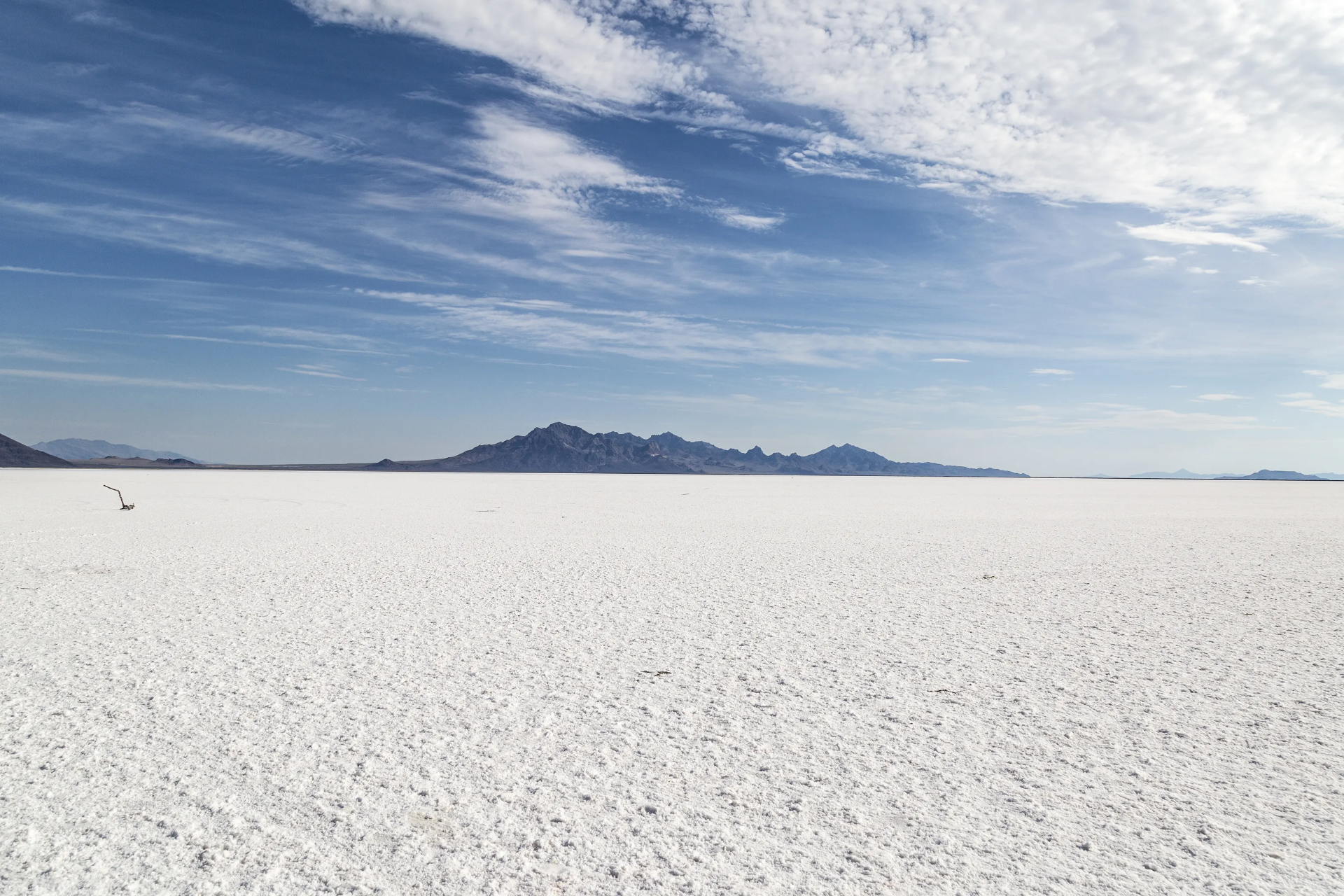
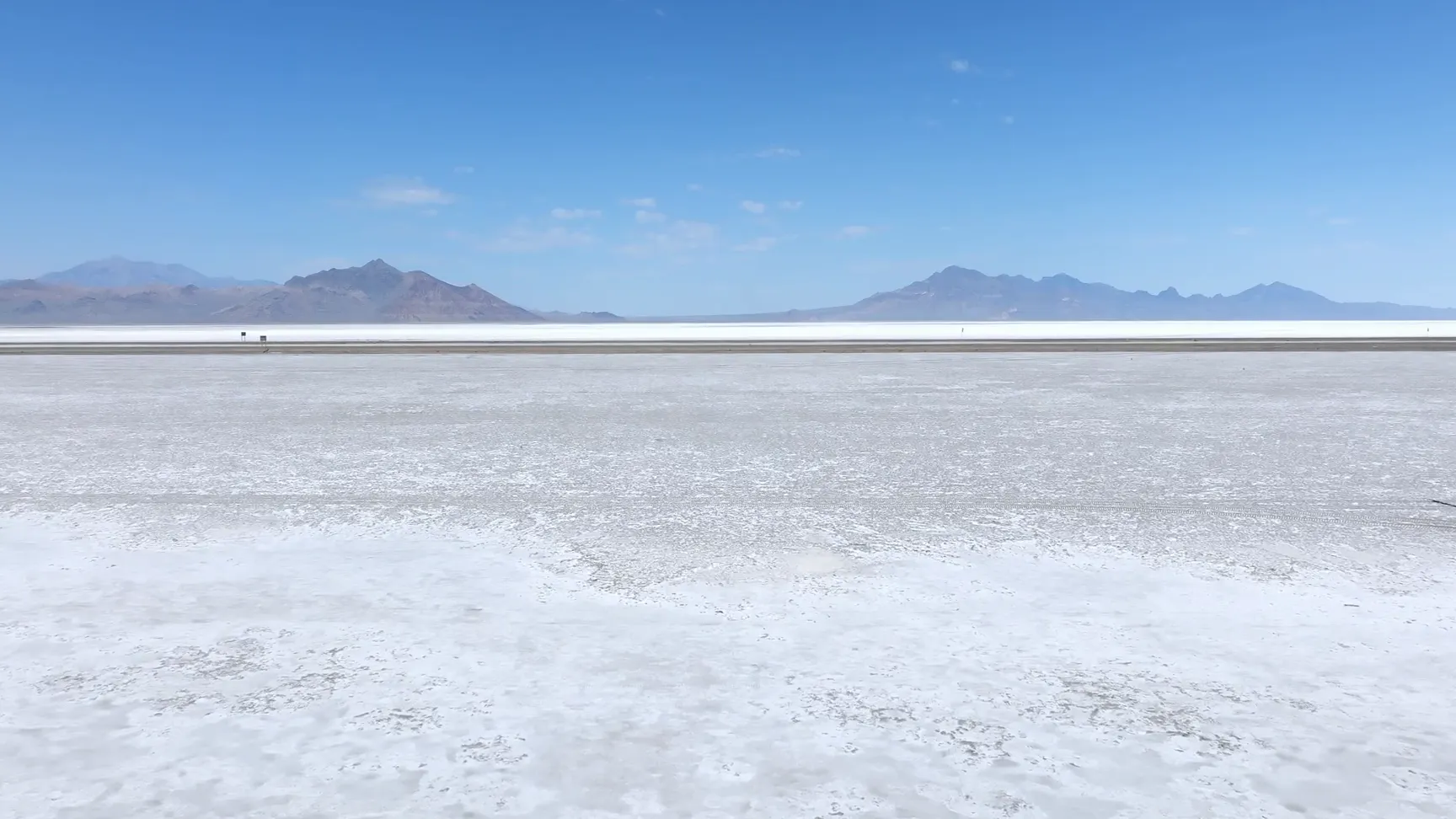
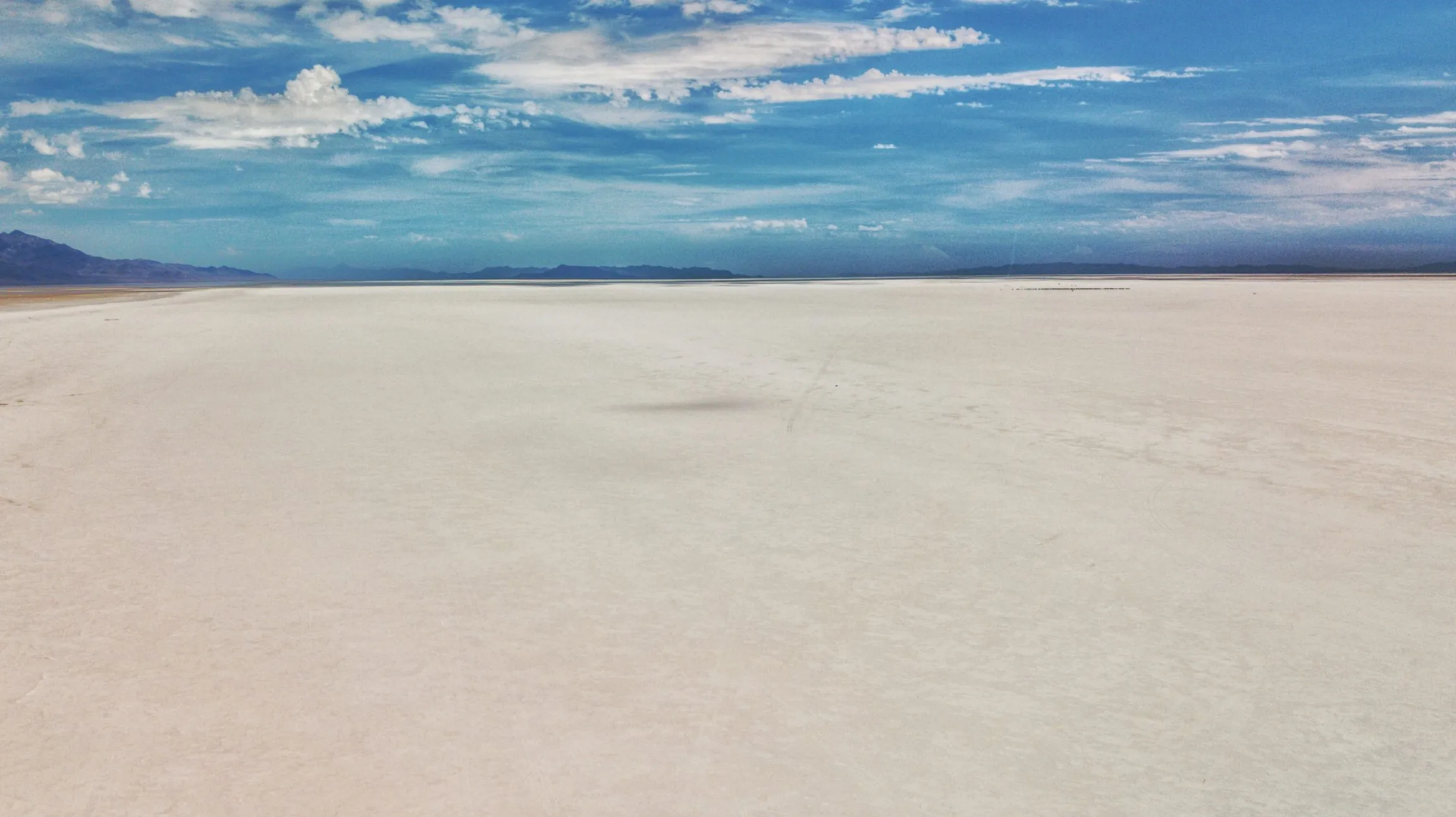
A vast salt desert that feels otherworldly, famous for its surreal landscapes and as the setting for land speed records.

✓ What guidebooks don't tell you
✓ Secrets other tourists miss
✓ Listen while you explore
Discover everything
00:00
00:00
Rate this audio guide

📖 Audio Guide Chapters

6 chapters

1. Introduction and History

🔒 Premium Content

Subscribe to access all chapters of this audio guide.

2. Geological Formation and Ecosystem

🔒 Premium Content

Subscribe to access all chapters of this audio guide.

3. The Stage of Speed

🔒 Premium Content

Subscribe to access all chapters of this audio guide.

4. Curiosities and Visual Phenomena

🔒 Premium Content

Subscribe to access all chapters of this audio guide.

5. Cultural Impact and Regional Context

🔒 Premium Content

Subscribe to access all chapters of this audio guide.

6. Current Relevance and Conservation

🔒 Premium Content

Subscribe to access all chapters of this audio guide.

❓ Frequently Asked Questions

What time do the Bonneville Salt Flats open, and how can I get there?

As public land managed by the Bureau of Land Management (BLM), access is open 24 hours a day, year-round. You can get there easily by driving on Interstate 80 and taking Exit 4 toward Bonneville Speedway, or by stopping at the designated rest area for a quick and safe view. For more details about access conditions, check the official BLM website.

Is there an admission fee, or is access free?

Visiting is completely free for tourists who want to walk, take photos, or drive on the salt when permitted. Admission fees are only charged during specific racing events, such as the famous Speed Week; you can check whether your visit coincides with one on the SCTA website.

How much time do you recommend to explore the site properly?

Generally, a stop of 1 to 2 hours is enough to walk on the salt crust, take spectacular photographs, and drive a little if conditions allow. It is the perfect amount of time to listen to an audio guide explaining the geology while you enjoy the surreal landscape.

What is the history behind this place, and why is it so famous?

Bonneville is a remnant of the ancient prehistoric Lake Bonneville and is world-famous as the "Speedway" where countless land speed records have been broken. Its vast, flat surface has allowed vehicles to exceed 900 km/h, making it a pilgrimage site for motorsport enthusiasts.

What is the best time of year to visit the salt flats?

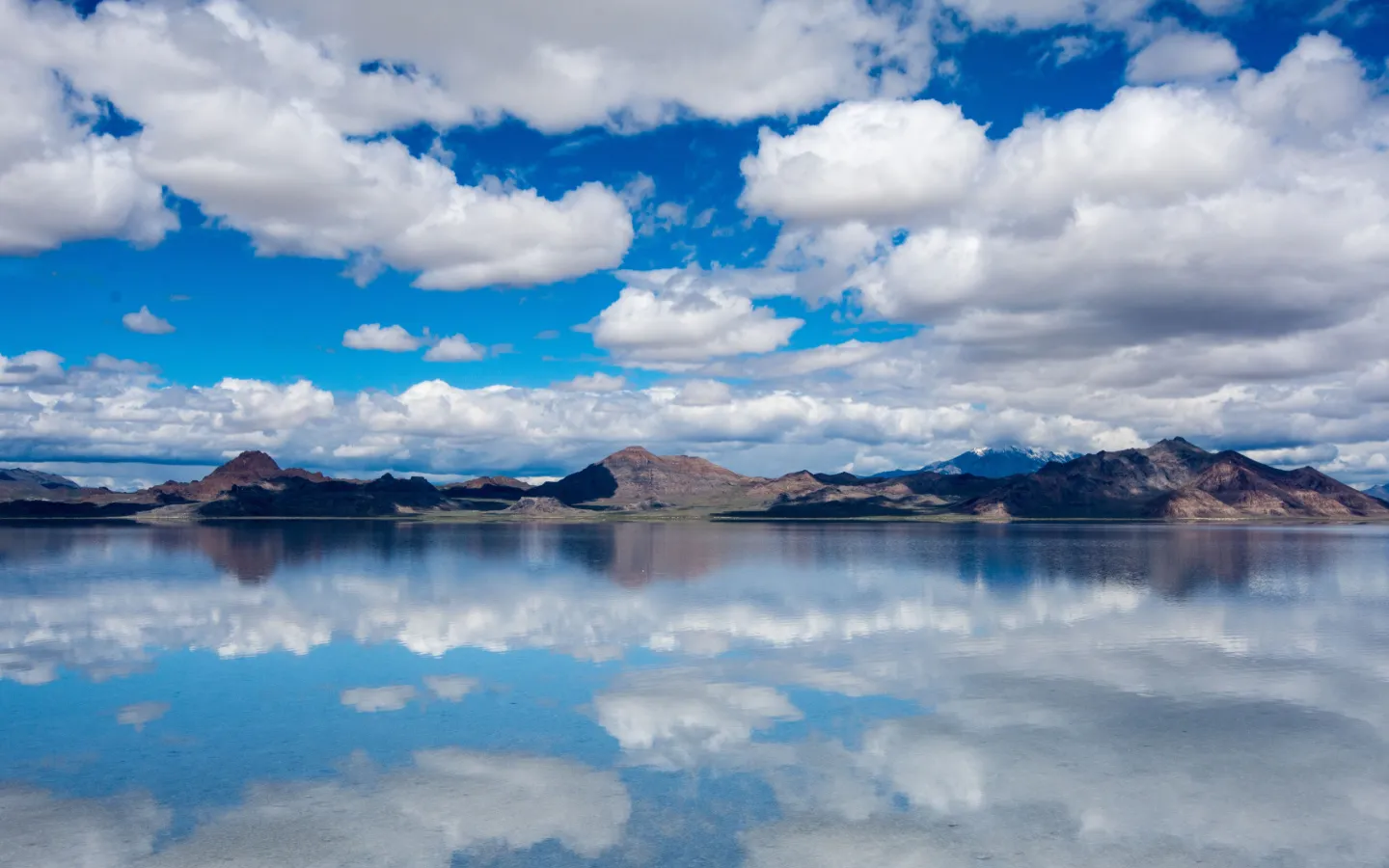
If you want to drive on the salt, you should go between July and October, when the surface is dry and hardened. If you prefer to see the stunning "mirror effect" where the sky is reflected in the water, winter and spring are ideal, although you will not be able to drive onto it.

Is the site accessible for people with reduced mobility?

Yes, it is quite accessible; the I-80 rest area has restrooms and paved areas that offer perfect views without needing to step onto the salt. In addition, when the salt crust is dry and hard (summer to autumn), vehicles can drive directly onto it, making access easier without long walks.

What other interesting things are there to see nearby?

About 15 minutes to the west you will find West Wendover, known for its casinos and historic airfield. Also, do not miss the sculpture "Metaphor: The Tree of Utah", a huge work of art in the middle of the desert that you will see by the roadside.

What practical tips should I keep in mind before going?

Bring plenty of water and sunglasses, as the reflection on the white salt is very intense. And very importantly: never drive on the salt if it is wet or near muddy edges to avoid getting stuck, and wash your vehicle immediately after the visit to remove the corrosive salt.

¿Prefieres escuchar en español?

🇪🇸 Escucha la audioguía de Bonneville Salt Flats en español