No te vayas sin conocer la historia Suscribete
IAudioGuia iaudioguia
Audio Guides of San Antonio

Audio Guide of the Japanese Tea Garden of San Antonio

Donde un error de nombre escondió dramas de guerra, amor de jardineros y el puente más fotografiado de Texas

✓ What guidebooks don't tell you
✓ Secrets other tourists miss
✓ Listen while you explore
Discover everything
00:00
00:00

📖 Audio Guide Chapters

6 chapters

1. The Garden That Was Born Chinese (by Mistake)

🔒 Premium Content

Subscribe to access all chapters of this audio guide.

2. Tears Carved in Stone

🔒 Premium Content

Subscribe to access all chapters of this audio guide.

3. The Family Who Lived Inside the Grotto

🔒 Premium Content

Subscribe to access all chapters of this audio guide.

4. Spy Fish and the Dancing Buddha

🔒 Premium Content

Subscribe to access all chapters of this audio guide.

5. Look at the Ground (the Deer Rebellion)

🔒 Premium Content

Subscribe to access all chapters of this audio guide.

6. Walk Barefoot Around the Pond

🔒 Premium Content

Subscribe to access all chapters of this audio guide.

❓ Frequently Asked Questions

What are the opening hours of the Japanese Tea Garden? Is it open every day?

The garden is open every day of the week, from 7:00 AM to 5:00 PM, perfect for morning or late-afternoon walks. You can confirm special holiday hours directly on the website of the San Antonio Parks Foundation.

How much does admission to the Japanese Tea Garden cost, or is it free?

Admission to the Japanese Tea Garden is completely free for all visitors, making it one of the best no-cost attractions in the city. There is no need to book tickets in advance—just arrive and enjoy the scenery.

How much time is recommended to visit the entire garden?

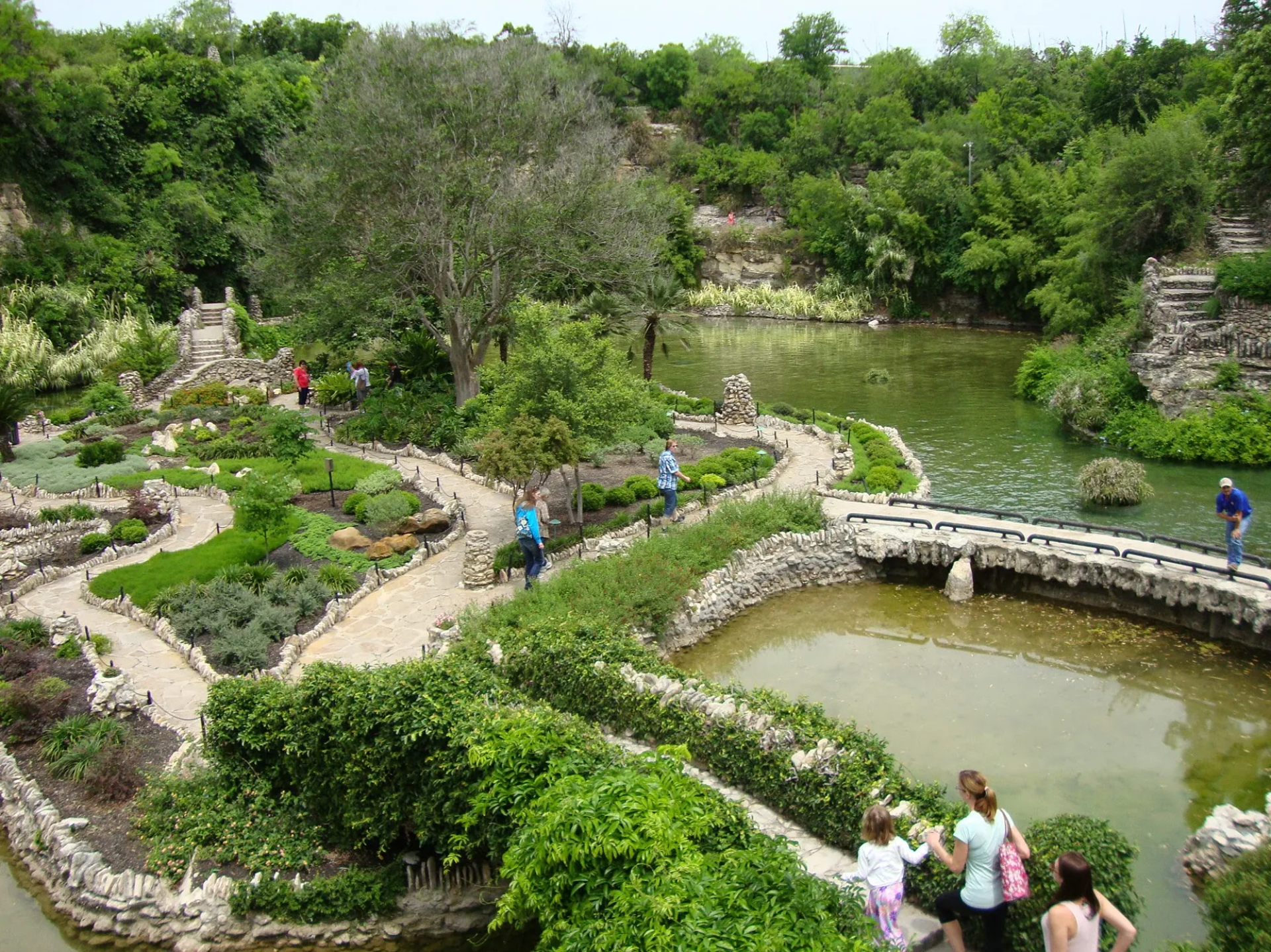
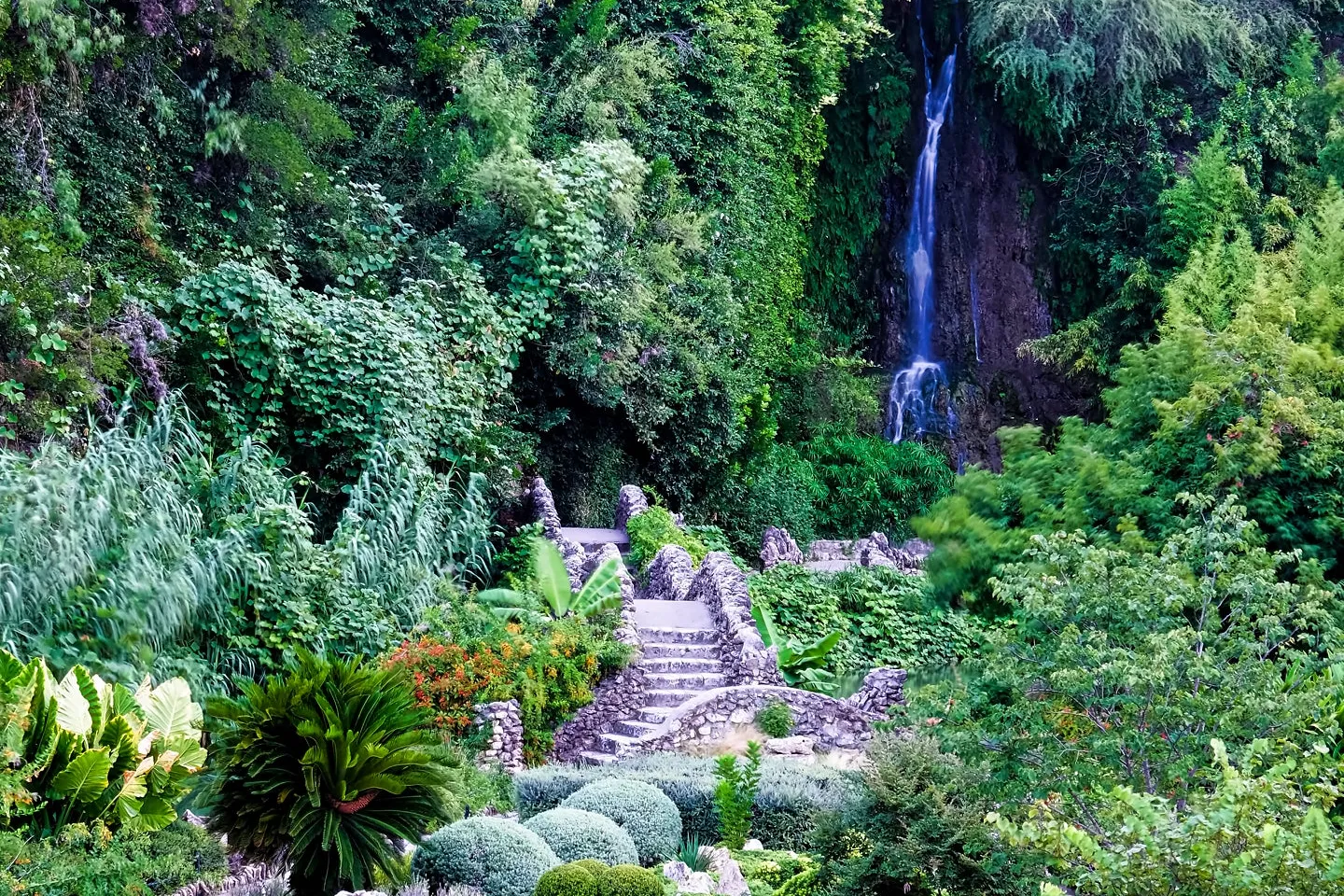
We recommend setting aside between 45 minutes and an hour and a half to stroll the paths at a relaxed pace and enjoy the waterfall. If you plan to take lots of photos or eat at Jingu House, consider extending your visit to two hours.

What is the history behind this garden, and why is it important?

Originally a stone quarry, it was transformed into a garden in 1919 and cared for by the Jingu family until World War II. It is a symbol of historical reconciliation, as it regained its original name in 1984 after being temporarily renamed because of anti-Japanese sentiment at the time.

What is the best time of year or day to visit the garden?

Spring is spectacular because of the blossoms, but visiting early in the morning (between 8 and 10 AM) on any day gives you cooler weather and great light. Avoid the peak midday hours in summer, as the Texas heat can be quite intense.

Is the Japanese Tea Garden accessible for people using wheelchairs or with reduced mobility?

Yes, the garden is accessible for wheelchairs and strollers thanks to recent renovations that include ramps connecting the upper and lower levels. Although there are slopes due to the geography of the former quarry, the main paths are adapted.

What other tourist attractions are nearby to visit on the same day?

The garden is located within Brackenridge Park, just a short walk from the famous San Antonio Zoo. You can also take the opportunity to visit the nearby Witte Museum or ride the park train.

What practical tips would you give me to make the most of the visit?

Bring comfortable walking shoes and water, especially if you visit in summer, and do not forget your camera for the iconic photo on the stone bridge. We also recommend making a quick stop at Jingu House Café to try its teas and snacks with views of the pond.

¿Prefieres escuchar en español?

🇪🇸 Escucha la audioguía de the Japanese Tea Garden of San Antonio en español