No te vayas sin conocer la historia Suscribete
IAudioGuia iaudioguia
Audio Guides of Pittsburgh

Audio Guide of the Carnegie Museum of Natural History

Donde los dinosaurios esconden secretos industriales y los muros guardan huesos... y escándalos.

✓ What guidebooks don't tell you
✓ Secrets other tourists miss
✓ Listen while you explore
Discover everything
00:00
00:00

📖 Audio Guide Chapters

6 chapters

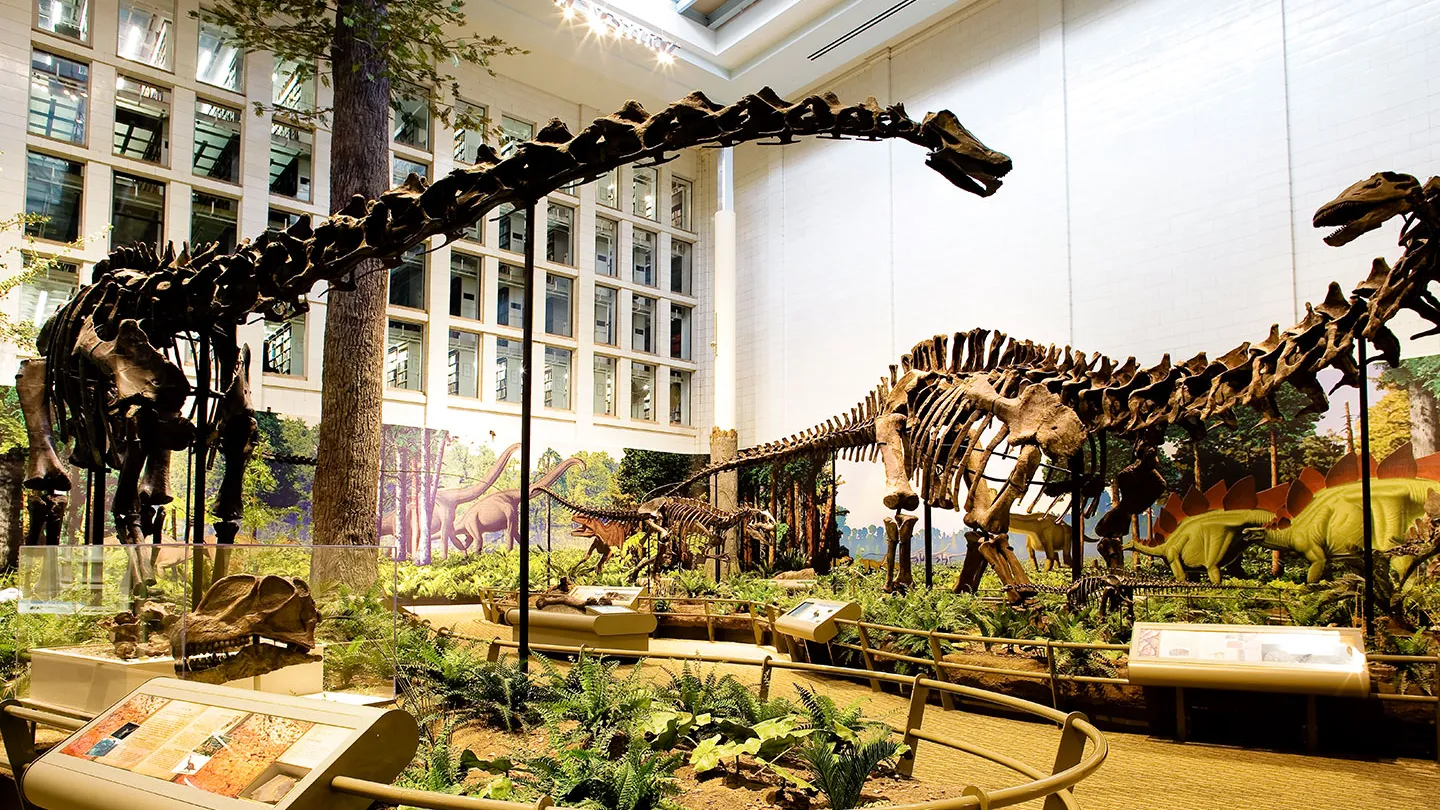
1. Diplodocus Deceptions: Carnegie’s Counterfeit Gift

🔒 Premium Content

Subscribe to access all chapters of this audio guide.

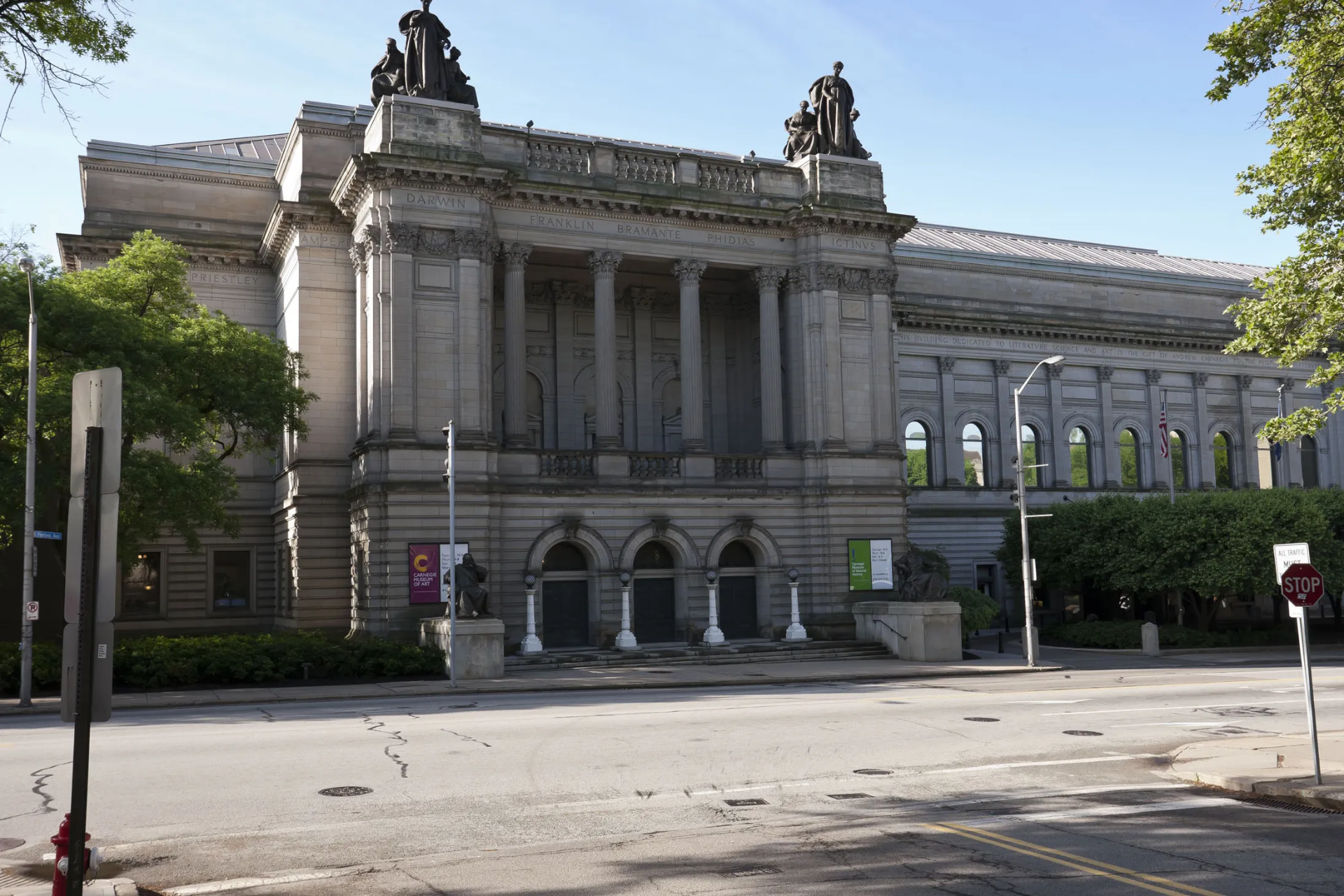
2. The Building That Spills Its Guts

🔒 Premium Content

Subscribe to access all chapters of this audio guide.

3. Fossils and Backstabbing

🔒 Premium Content

Subscribe to access all chapters of this audio guide.

4. The Whale Restroom and the Ghost Employee

🔒 Premium Content

Subscribe to access all chapters of this audio guide.

5. The Fossil Crime Scene

🔒 Premium Content

Subscribe to access all chapters of this audio guide.

6. Carnegie: The Villain Who Made You Love Science

🔒 Premium Content

Subscribe to access all chapters of this audio guide.

❓ Frequently Asked Questions

What are the opening hours of the Carnegie Museum of Natural History and how can I get there?

The museum is open Tuesday through Saturday from 10:00 AM to 5:00 PM, and Sundays from 12:00 PM to 5:00 PM; it is closed on Mondays and major holidays. You can easily get there by bus or light rail from downtown Pittsburgh, or drive and park in the adjacent parking garage; check the visitor page for detailed directions.

How much does admission to the Carnegie Museum of Natural History cost?

General admission costs $24 for adults, $19 for seniors and students, and is free for children under 3; family discounts and annual passes are also available. Check updated prices on the official website and buy tickets online to avoid lines.

How much time is recommended for visiting the Carnegie Museum of Natural History?

It is recommended to spend at least 2 to 3 hours exploring the main exhibits, although you could easily spend a full day if you are interested in the extensive dinosaur and mineral collections. Plan according to your interests so you do not have to rush and can enjoy the interactive areas.

What is the historical or cultural significance of the Carnegie Museum of Natural History?

Founded in 1895 by Andrew Carnegie, the museum is a cornerstone of natural history in the United States, with one of the largest collections of fossils and specimens in the world, including the iconic 'Dippy' the dinosaur. Its cultural role lies in promoting science education and preservation, attracting millions to learn about evolution and biodiversity.

When is the best time to visit the Carnegie Museum of Natural History?

Spring or fall are ideal because of Pittsburgh's pleasant weather and smaller crowds, while weekday mornings help you avoid peak visitor times. Avoid holiday weekends if you want a quieter experience, and check the event calendar on the website for special exhibitions.

Is the Carnegie Museum of Natural History accessible for people with reduced mobility?

Yes, the museum is fully accessible with ramps, elevators, wheelchairs available for free loan, and adapted restrooms on every floor. Contact staff at 412-622-3131 for personalized assistance or special requests before your visit.

What other attractions are near the Carnegie Museum of Natural History?

Next door is the Carnegie Museum of Art, with impressive art, and a short trip away is Phipps Conservatory for botanical gardens. You can also explore the Schenley Park neighborhood for a relaxing walk or downtown Pittsburgh for more history.

What practical tips can help me make the most of my visit to the Carnegie Museum of Natural History?

Arrive early to avoid crowds, use the museum app for interactive maps, and consider an audio guide at iAudioguia.com for enriched narration. Wear comfortable shoes for the extensive galleries and check photo restrictions in sensitive areas for a smooth experience.

¿Prefieres escuchar en español?

🇪🇸 Escucha la audioguía de the Carnegie Museum of Natural History en español