
What other tourists miss in New York Subscribe
IAudioGuia iaudioguia
Audio Guides of New York

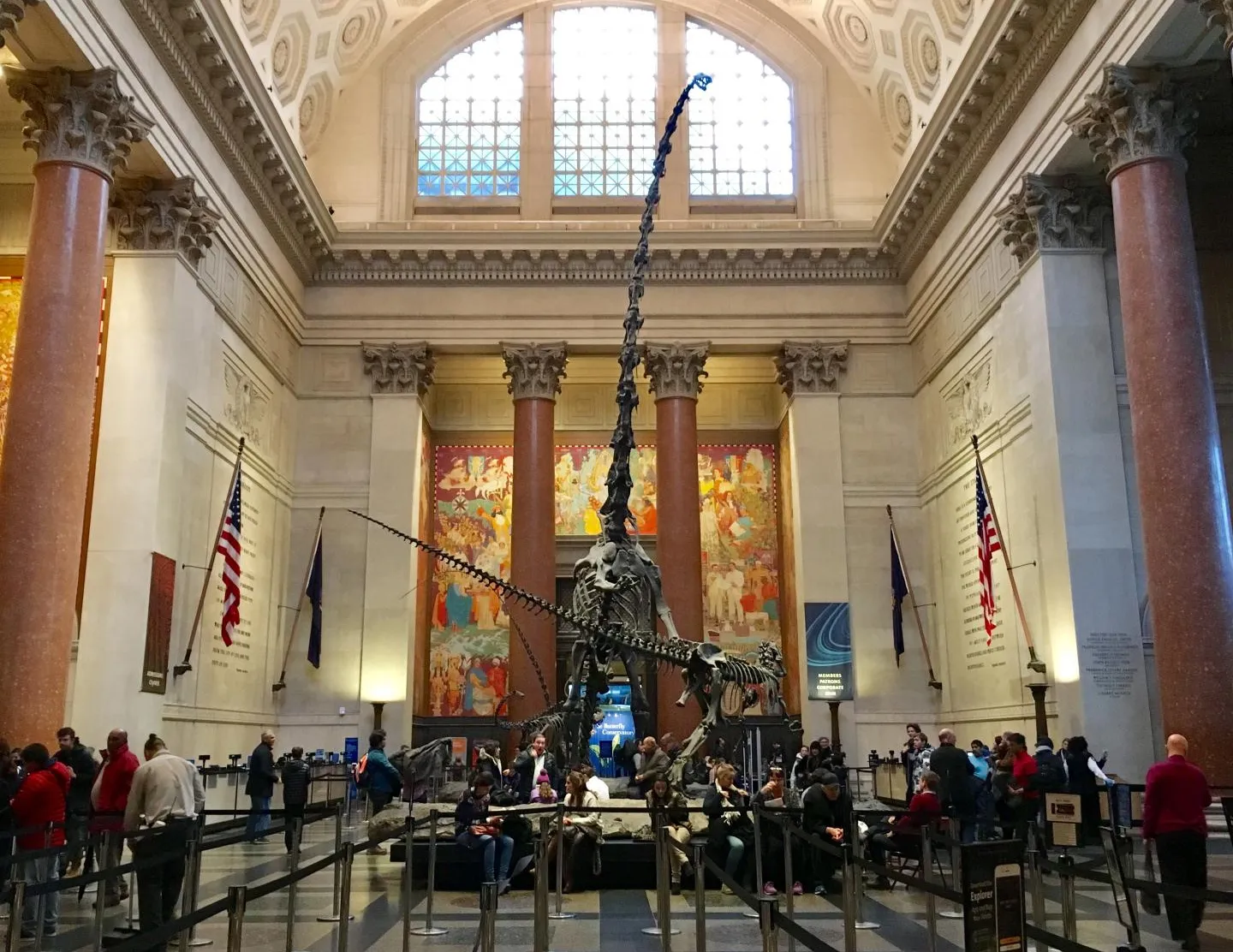
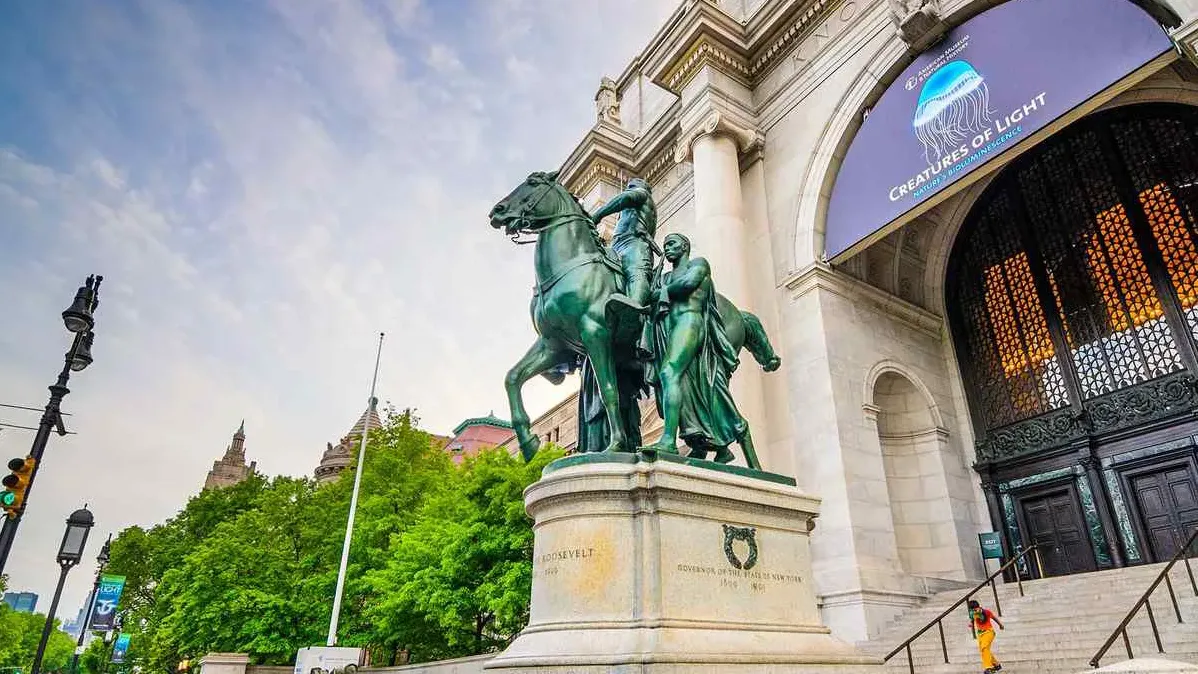
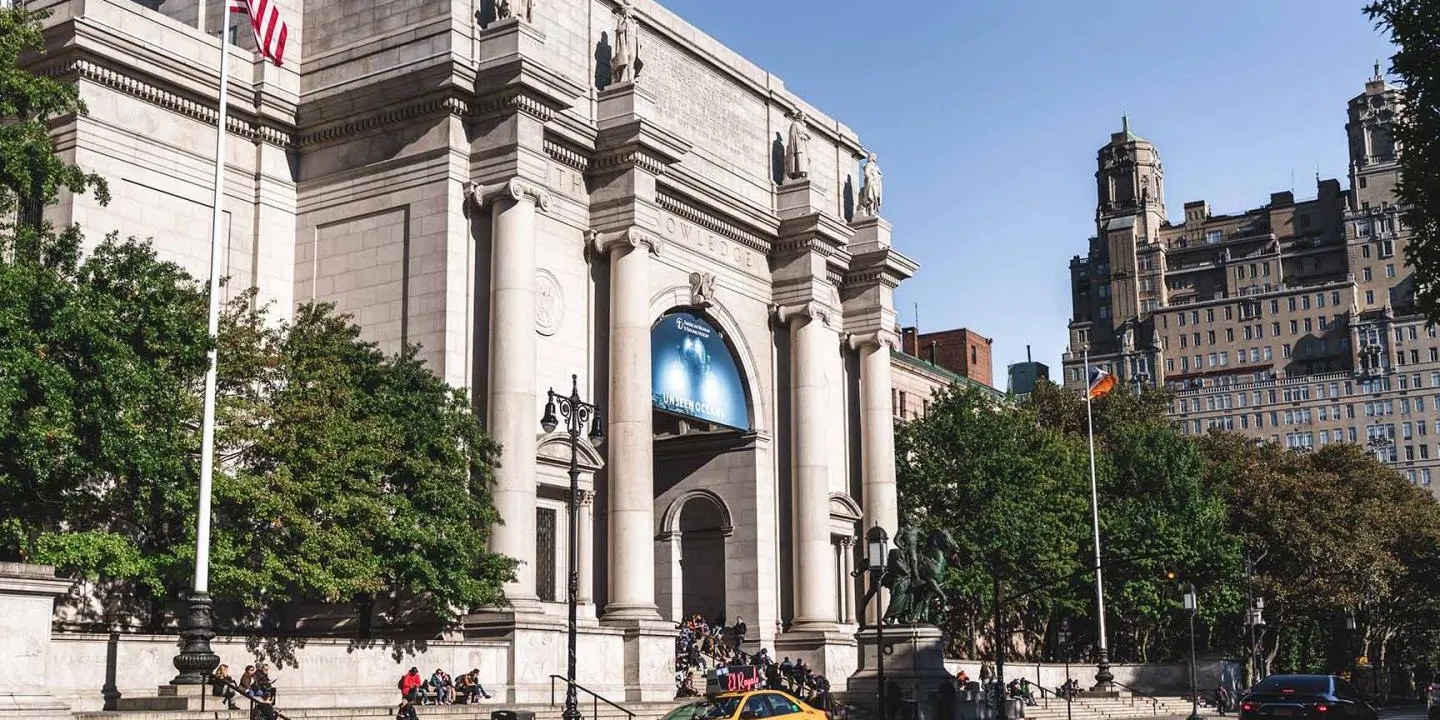
Audio Guide of American Museum of Natural History

Where the whales wouldn't fit through the door, the millionaires competed, and the dioramas eat real flowers!

✓ What guidebooks don't tell you
✓ Secrets other tourists miss
✓ Listen while you explore
Discover everything
00:00
00:00
Rate this audio guide

📖 Audio Guide Chapters

6 chapters

1. The whale that forced the building to be rebuilt

🔒 Premium Content

Subscribe to access all chapters of this audio guide.

2. Messages in the stones and buried ambitions

🔒 Premium Content

Subscribe to access all chapters of this audio guide.

3. Roosevelt vs. Morgan: hatred between patrons

🔒 Premium Content

Subscribe to access all chapters of this audio guide.

4. Dioramas with fresh food and a movie-worthy heist

🔒 Premium Content

Subscribe to access all chapters of this audio guide.

5. The dinosaur that shot at the Nazis

🔒 Premium Content

Subscribe to access all chapters of this audio guide.

6. Take this with you: Martha, the last of her species

🔒 Premium Content

Subscribe to access all chapters of this audio guide.

❓ Frequently Asked Questions

What time does the American Museum of Natural History open, and how can I visit it?

The American Museum of Natural History is usually open Wednesday through Sunday, from 10:00 a.m. to 5:30 p.m. I recommend checking its official hours and directions page before your visit, as they may vary. This is an in-person visit, and you can get there by public transportation or taxi.

What is the ticket price, and is there any way to get it cheaper?

The suggested general admission for adults is $28. Children (ages 3–12) pay $16, and seniors over 60 and students pay $22. There are pay-what-you-wish options at the ticket counters, and some New York ZIP codes have free access. It is always a good idea to check the admission and ticket options on the official website.

How much time is recommended for a full visit to the museum?

For a complete experience and to enjoy the main exhibitions, I suggest setting aside at least 3 to 4 hours. However, if you are passionate about natural history, you could easily spend a full day exploring all its halls and special exhibitions. There is a lot to see!

What is the historical or cultural importance of the American Museum of Natural History?

This museum is one of the largest and most prestigious natural history museums in the world, founded in 1869. Its importance lies in its vast collections, ranging from dinosaurs to meteorites and world cultures, making it a key center for scientific research, education, and conservation. It has greatly contributed to our understanding of the planet and life.

What is the best time of year or day to visit the museum and avoid crowds?

To avoid the biggest crowds, it is best to visit the museum during the week, preferably first thing in the morning, right when it opens, or later in the afternoon. Low-season months, such as January and February or after Labor Day in September, are also usually less crowded than summer or holiday periods.

Is the museum accessible for people with reduced mobility or wheelchairs?

Yes, the American Museum of Natural History is fully accessible. It has ramps, elevators on every floor, and adapted restrooms. Free wheelchairs are available on loan on a first-come, first-served basis. You can find more details about accessibility in its visitor accessibility section.

What other attractions or places of interest can I visit near the museum?

The museum is located on the Upper West Side, right next to Central Park, which is a must-visit. Nearby, you also have the New York Historical Society and, within walking distance, Lincoln Center. The area is full of charming cafés and shops to enjoy after your museum visit.

What practical tips would you give me to make the most of my visit to the American Museum of Natural History?

For the best experience, I recommend downloading the museum map in advance or using its app to plan your route. Arrive early to avoid lines, wear comfortable shoes because you will do a lot of walking, and consider bringing a refillable water bottle. Do not forget to visit the dinosaur hall and the Rose Center for Earth and Space! And remember, at IAudioguia we have audio guides that can enrich your experience.

¿Prefieres escuchar en español?

🇪🇸 Escucha la audioguía de American Museum of Natural History en español