No te vayas sin conocer la historia Suscribete
IAudioGuia iaudioguia
Audio Guides of San Francisco

California Academy of Sciences Audio Guide

Donde un caimán albino diva y un pez nonagenario escribieron la historia científica de San Francisco

✓ What guidebooks don't tell you
✓ Secrets other tourists miss
✓ Listen while you explore
Discover everything
00:00
00:00

📖 Audio Guide Chapters

6 chapters

1. The earthquake that gave birth to a mutant museum

🔒 Premium Content

Subscribe to access all chapters of this audio guide.

2. The roof that evolved more than Darwin

🔒 Premium Content

Subscribe to access all chapters of this audio guide.

3. Claude, Methuselah, and the homeless man in the lobby

🔒 Premium Content

Subscribe to access all chapters of this audio guide.

4. Twenty-eight kilometers from the ocean... and the Japan tsunami still arrived

🔒 Premium Content

Subscribe to access all chapters of this audio guide.

5. Encoding secrets in bricks and floating forests

🔒 Premium Content

Subscribe to access all chapters of this audio guide.

6. What is a fossil fish doing beside the Golden Gate?

🔒 Premium Content

Subscribe to access all chapters of this audio guide.

❓ Frequently Asked Questions

What are the museum's opening and closing hours?

The museum is open Monday to Saturday from 9:30 a.m. to 5:00 p.m., and Sundays from 10:00 a.m. to 5:00 p.m. It is closed on major holidays such as Thanksgiving and Christmas. We recommend booking tickets in advance on its official website.

How much is admission, and are discounts available?

General admission for adults is $39.95. Discounts are available for seniors (65+), students, and youth ages 12–17 ($34.95). San Francisco residents and children under 3 can enter free on certain days through the Neighborhood Free Days.

How much time is needed to visit the entire museum?

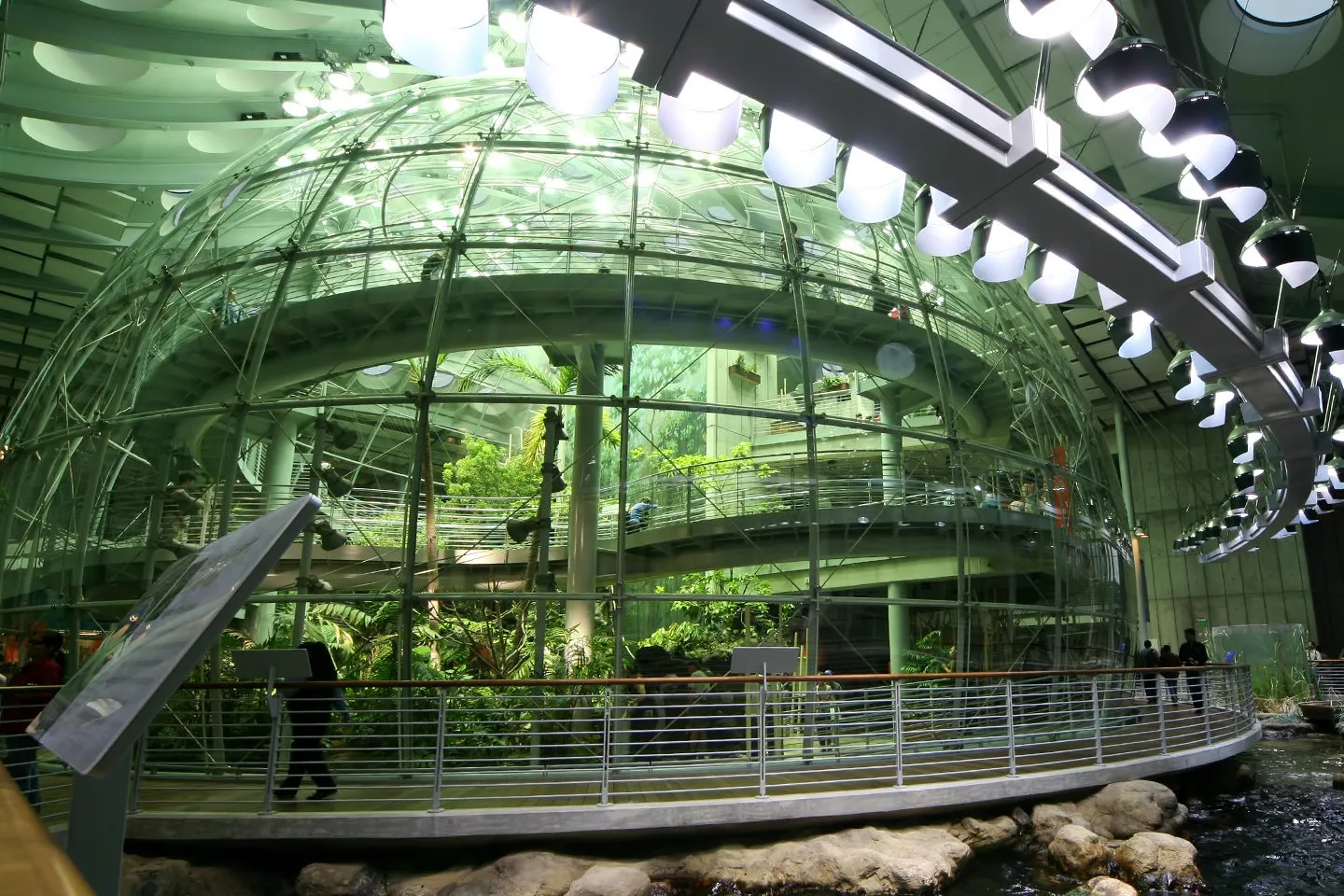
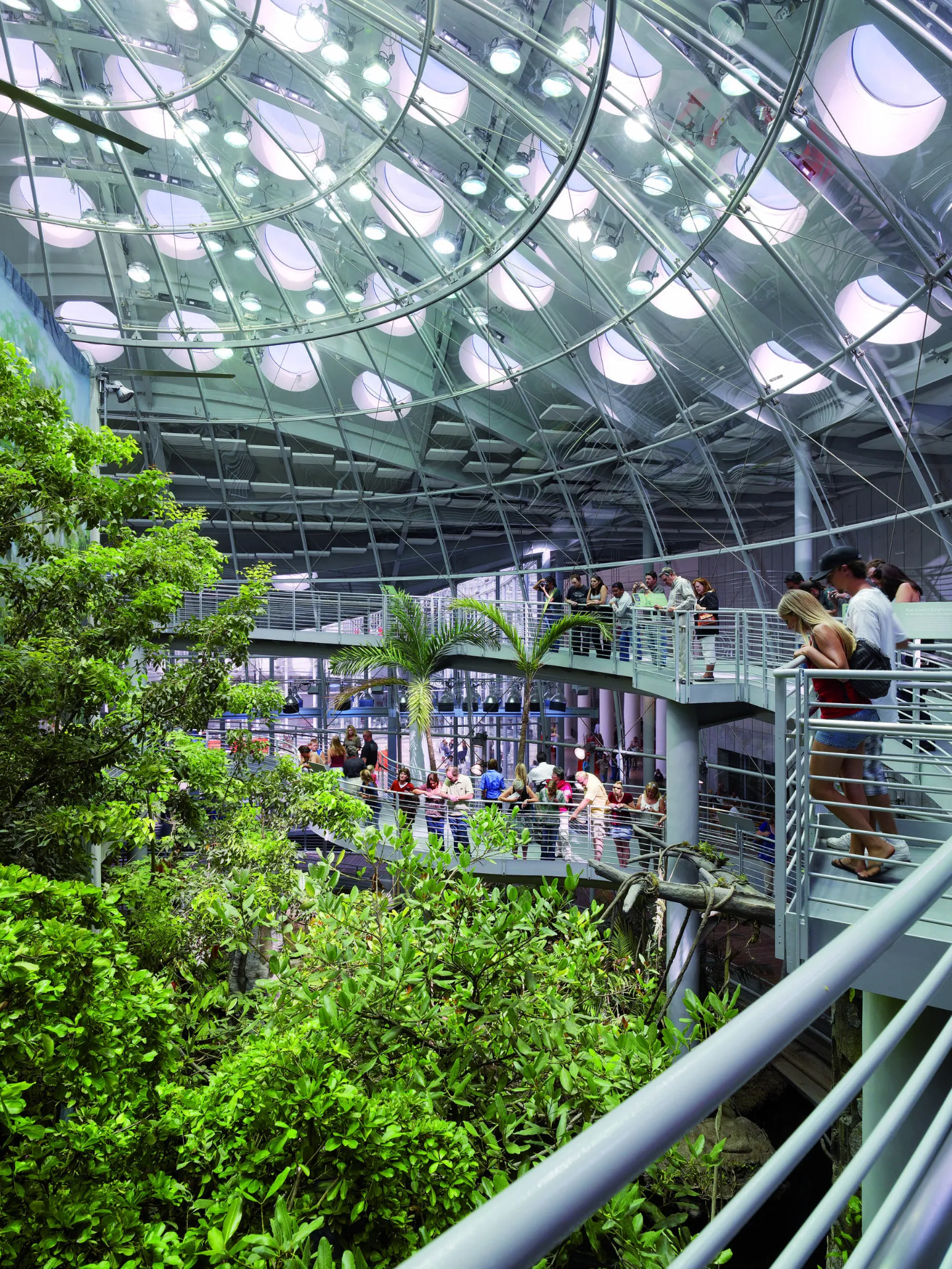
Most visitors spend between 3 and 4 hours exploring the main attractions, such as the planetarium, the rainforest under the dome, and the aquarium. If you plan to watch additional shows, set aside half a day.

What makes this science museum special?

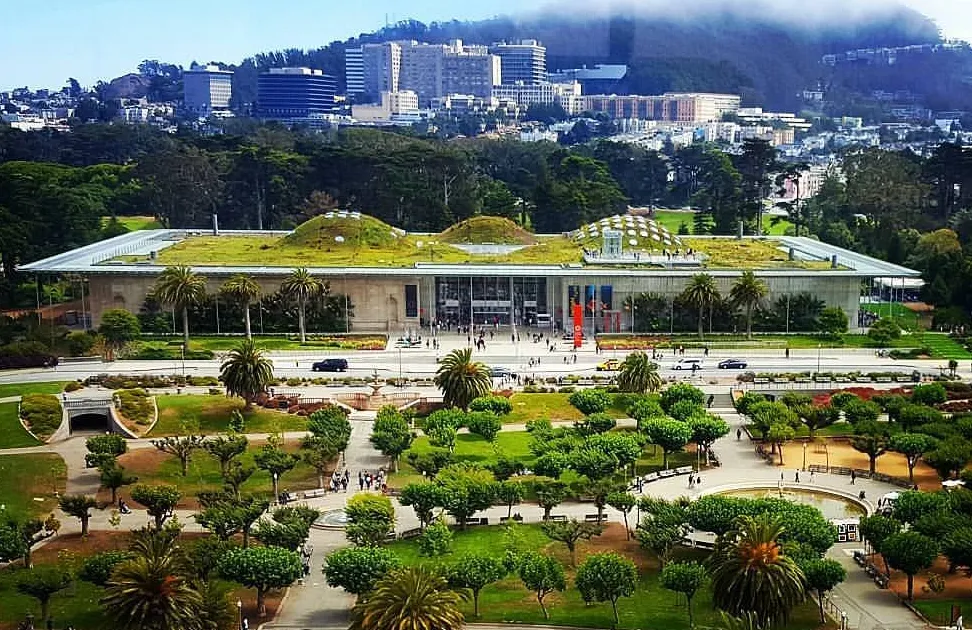
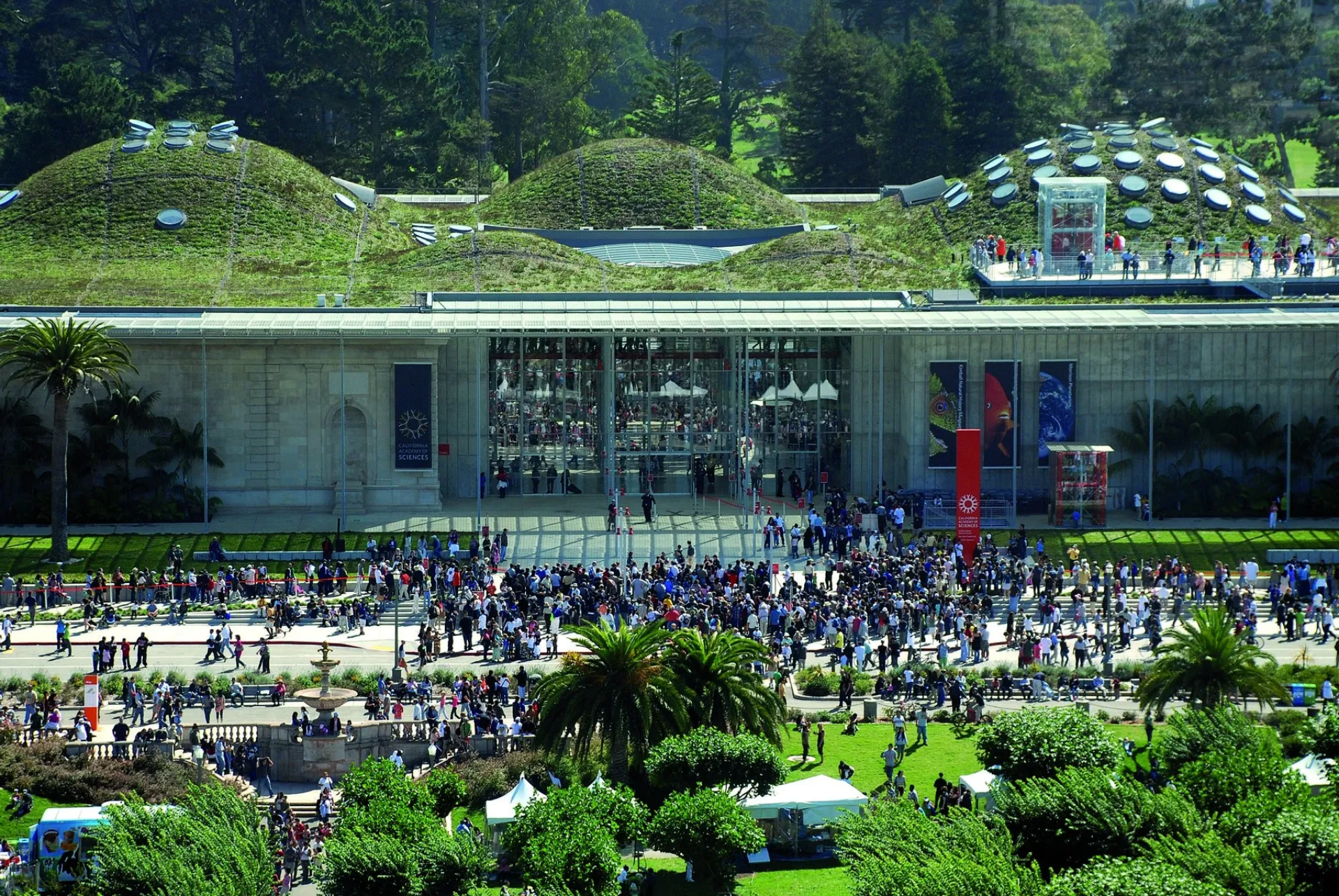
Founded in 1853, it is one of the oldest science museums in the United States. Its current building (reopened in 2008) was designed with a living roof and sustainable technology, becoming the first museum in the world to achieve LEED Platinum certification.

When is the best time to avoid crowds?

Wednesday and Thursday mornings are the least crowded. The months from September to November are also ideal. Avoid weekends, school holidays, and free admission days.

Is the museum accessible for people with reduced mobility?

Yes, the building is 100% accessible. It offers free wheelchair loans, elevators to all floors, and adapted restrooms. Nearby parking includes reserved spaces (detailed information at accessibility).

What other places can I visit near the museum?

In Golden Gate Park you can visit the Japanese Tea Garden (a 5-minute walk), the de Young Museum (across from the science museum), and scenic Stow Lake (10 minutes away).

What tips would you give me to enjoy the visit more?

1) Book your entry time online and choose the planetarium show (they sell out fast!). 2) Download the app with interactive maps. 3) From the living roof ($COPIA$ it offers spectacular views)

¿Prefieres escuchar en español?

🇪🇸 Escucha la audioguía de California Academy of Sciences Audio Guide en español