No te vayas sin conocer la historia Suscribete
IAudioGuia iaudioguia
Audio Guides of San Diego

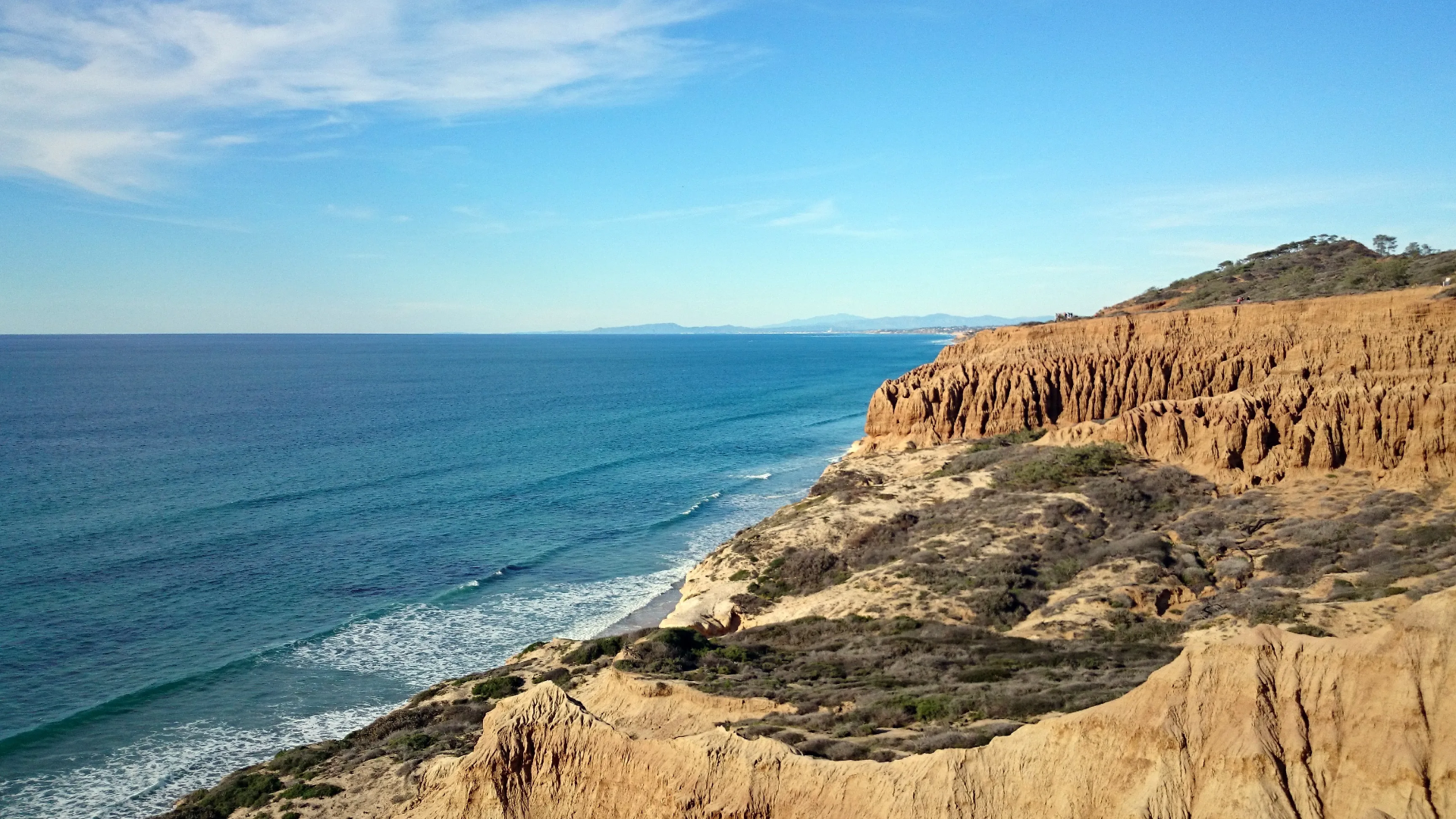
Audio Guide of Torrey Pines State Natural Reserve

Donde los árboles se robaron un nombre, las arenas guardan secretos y el paisaje sabe a drama oceánico.

✓ What guidebooks don't tell you
✓ Secrets other tourists miss
✓ Listen while you explore
Discover everything
00:00
00:00
Rate this audio guide

📖 Audio Guide Chapters

6 chapters

1. The fire that brought a forest back to life

🔒 Premium Content

Subscribe to access all chapters of this audio guide.

2. Sands that tell geological tales

🔒 Premium Content

Subscribe to access all chapters of this audio guide.

3. Dr. Parry and the botanical theft

🔒 Premium Content

Subscribe to access all chapters of this audio guide.

4. The ghost house nobody wanted

🔒 Premium Content

Subscribe to access all chapters of this audio guide.

5. The cliff that hides faces and eggs

🔒 Premium Content

Subscribe to access all chapters of this audio guide.

6. Last walk on a fossilized sea

🔒 Premium Content

Subscribe to access all chapters of this audio guide.

❓ Frequently Asked Questions

What are the opening hours of Torrey Pines State Natural Reserve, and how can I get there?

The reserve is open daily from sunrise to sunset, and the visitor center operates from 9:00 AM to 5:00 PM. You can arrive by car via North Torrey Pines Road, with on-site parking available (pay at the entrance); there is also free pedestrian and bicycle access from the coast. Check the official website or call (858) 755-2004 for updated details.

How much does it cost to enter Torrey Pines? Is it free for pedestrians?

The vehicle entrance fee is $15 on weekdays and $25 on weekends and holidays, but pedestrians, cyclists, and buses enter free of charge. No reservations are needed for basic entry; just pay at the booths. Check current rates on the official California State Parks website.

How much time is needed to visit Torrey Pines State Natural Reserve?

It is recommended to allow at least 2 to 3 hours to explore the main trails such as Beach Trail or Razor Point. If you want to do several routes and enjoy the views, plan for 4 hours or a full day. Bring water and comfortable shoes to make the most of your time.

What is the history or significance of Torrey Pines?

It is the only natural place where Torrey pine trees (Pinus torreyana), a rare endemic species, grow, and it protects coastal cliffs with fossils millions of years old. Designated as a state reserve in 1956, it is a key site for the conservation of California biodiversity and is admired for its inspiring landscapes. More info on the official website.

When is the best time to visit Torrey Pines?

Spring (March to May) is ideal for wildflowers and mild weather, or autumn for fewer crowds and clear skies. Go early in the morning or at sunset to avoid the heat and enjoy the best light over the ocean. Avoid midday in summer because of the intense sun.

Is the reserve accessible for people with reduced mobility?

Some trails such as Guy Fleming Trail and parts of Beach Trail are wheelchair accessible thanks to paved paths, but many require stairs or uneven terrain. There is accessible parking and accessible restrooms near the entrance; check maps on the official website or call (858) 755-2004 for assistance.

What can I see near Torrey Pines?

Just a few minutes away is La Jolla Cove with its seals and kayaking, or Birch Aquarium at UC San Diego for marine life. Black's Beach is great for surfing, and the village of La Jolla offers shops and restaurants. Use Google Maps for easy routes from the reserve.

What are the best tips for visiting Torrey Pines?

Bring at least 1 liter of water per person, sunscreen, a hat, and hiking shoes, since there are no shops inside. Download the trail map from the official website beforehand and arrive early to park; dogs are not allowed, but you can photograph anything you like.

¿Prefieres escuchar en español?

🇪🇸 Escucha la audioguía de Torrey Pines State Natural Reserve en español