No te vayas sin conocer la historia Suscribete
IAudioGuia iaudioguia
Audio Guides of Brighton

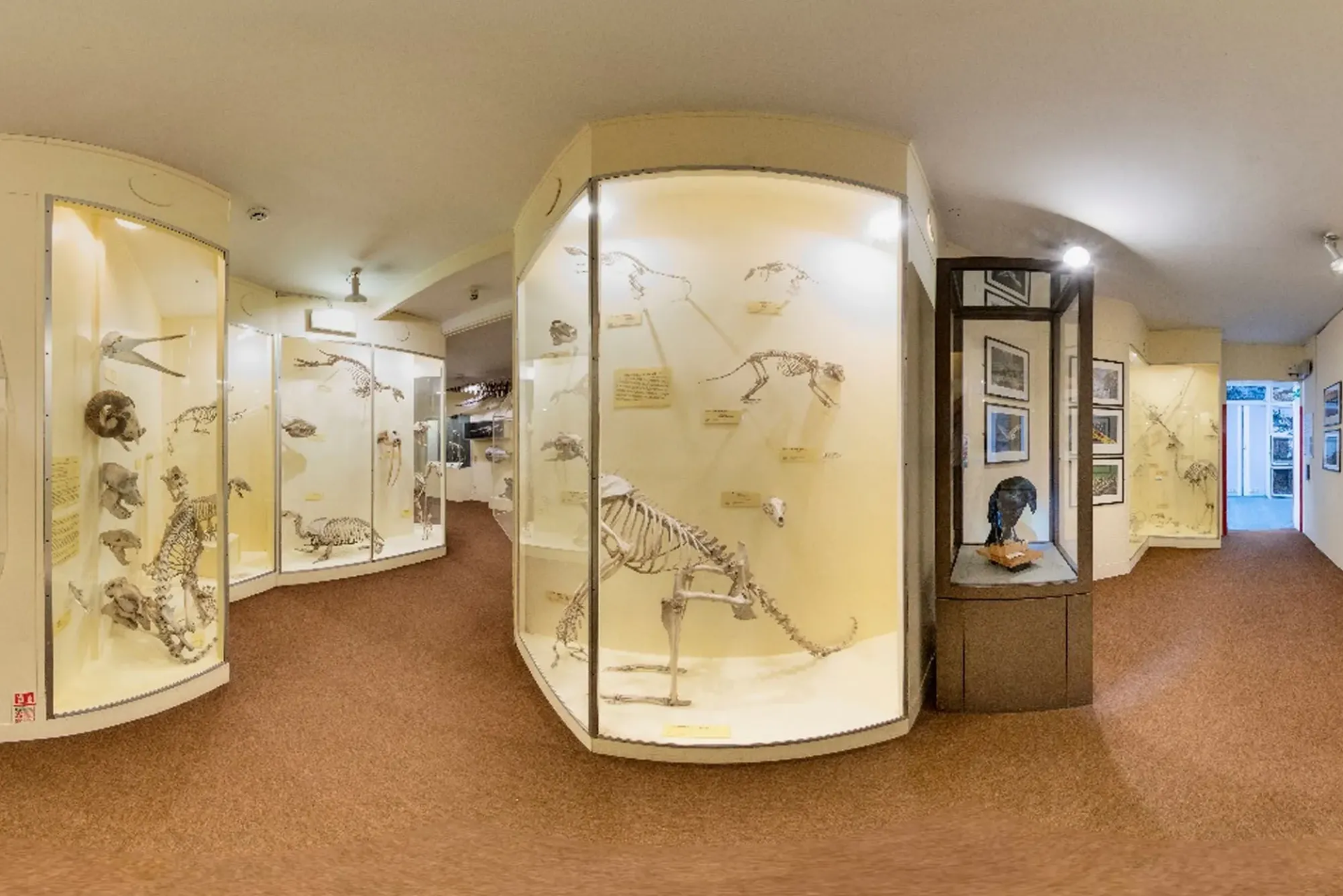
Audio Guide of Booth Museum of Natural History

Discover the Booth Museum of Natural History in Brighton. A unique experience to explore its history and significance.

✓ What guidebooks don't tell you
✓ Secrets other tourists miss
✓ Listen while you explore
Discover everything
00:00
00:00
Rate this audio guide

📖 Audio Guide Chapters

6 chapters

1. The banker who hunted birds with his gaze

🔒 Premium Content

Subscribe to access all chapters of this audio guide.

2. Walls that keep feathers and Gothic whispers

🔒 Premium Content

Subscribe to access all chapters of this audio guide.

3. The short-sightedness that made birds fall in love

🔒 Premium Content

Subscribe to access all chapters of this audio guide.

4. Birds that almost fly and other absurdities

🔒 Premium Content

Subscribe to access all chapters of this audio guide.

5. Hidden feathers that 99% miss

🔒 Premium Content

Subscribe to access all chapters of this audio guide.

6. The legacy that makes you look at the sky

🔒 Premium Content

Subscribe to access all chapters of this audio guide.

❓ Frequently Asked Questions

What time does the Booth Museum open and how can I visit it?

The Booth Museum of Natural History usually opens from Tuesday to Saturday from 10:00 a.m. to 5:00 p.m., and on Sundays from 2:00 p.m. to 5:00 p.m. I strongly recommend checking the most up-to-date information on its official website before your visit to confirm opening hours. Plan your visit to the Booth Museum.

Do I have to pay to enter the museum or is it free?

Good news! Entry to the Booth Museum of Natural History is free for everyone, making it a fantastic option for enjoying Brighton’s natural history at no cost. However, donations are always appreciated to help maintain the museum.

How much time do I need to properly explore the Booth Museum?

To have a good experience and appreciate its natural history collections, I suggest setting aside between one and a half and two hours for your visit. This will allow you to explore the galleries at a relaxed pace and take in all the information without rushing.

What is the history behind this museum and why is it so special?

The Booth Museum is special because it houses the incredible collection of natural history specimens gathered by Edward Booth, a Victorian enthusiast of taxidermy. It is a fascinating journey into the past that shows the evolution of our understanding of the natural world and the fascination with science in the 19th century.

When is the best time to visit the Booth Museum, both during the week and the year?

For a quieter experience, I recommend visiting the museum on a weekday, preferably in the morning just after opening. As for the season, the museum is a perfect refuge at any time of year, especially if the weather outside is not ideal.

Is the museum accessible for people using wheelchairs or with reduced mobility?

Yes, the Booth Museum works to be accessible to all visitors. It has ramps and a lift to reach all exhibition areas, and there are accessible toilets. You can find more details about accessibility on its website. Booth Museum accessibility information.

What other attractions or interesting places are near the Booth Museum to visit on the same day?

After your visit, you can explore nearby Hove Park or take a walk through the charming Victorian residential neighborhoods. Brighton city center, with the Royal Pavilion and Brighton Palace Pier, is not far away and is easily accessible by public transport or on foot.

Do you have any practical tips to make the most of a visit to the Booth Museum?

My best advice is to go with an open mind and get ready to be amazed by the sheer number of specimens. Take your time reading the labels, as they contain fascinating information. And if you love photography, don’t forget your camera! You can contact them at +44 (0)3000 290 900 if you have any specific questions.

¿Prefieres escuchar en español?

🇪🇸 Escucha la audioguía de Booth Museum of Natural History en español