


No te vayas sin conocer la historia Suscribete
IAudioGuia iaudioguia
Audio Guides of Mardin

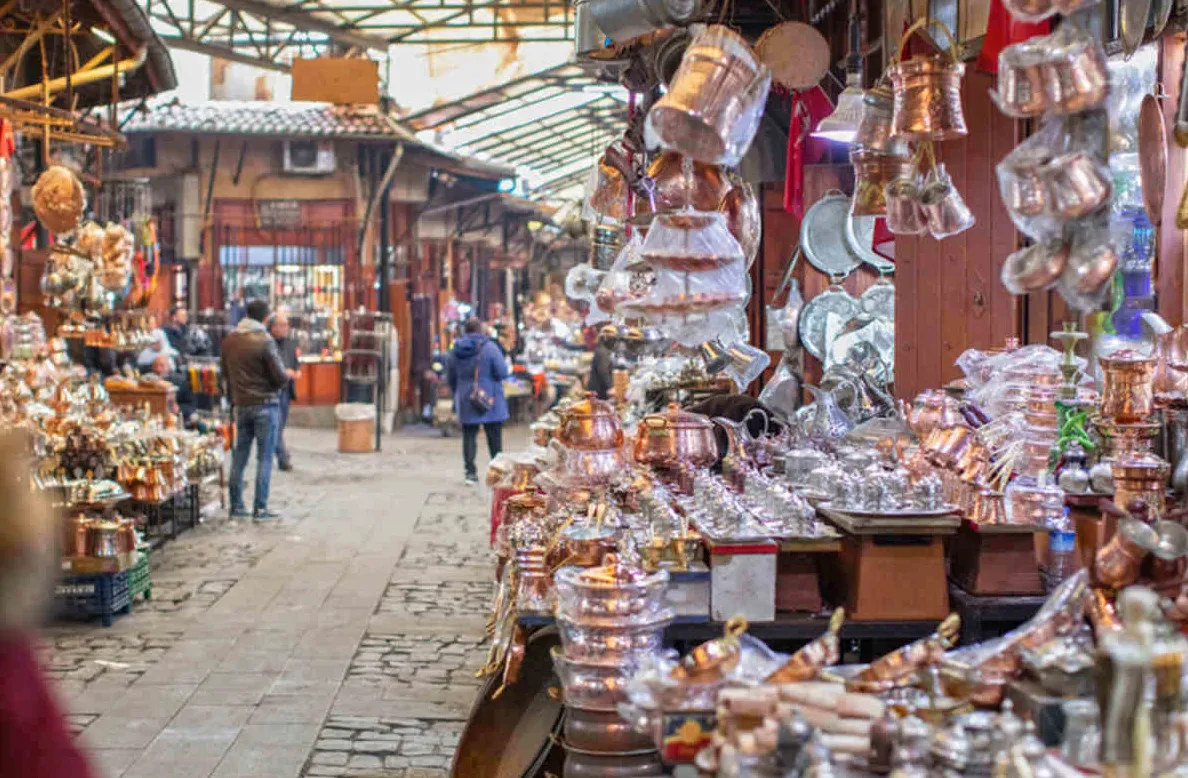
Audio Guide of Mardin Bazaar

Discover the history and secrets of this place with our audio guide.

✓ What guidebooks don't tell you
✓ Secrets other tourists miss
✓ Listen while you explore
Discover everything
00:00
00:00
Rate this audio guide

📖 Audio Guide Chapters

6 chapters

1. Introduction

🔒 Premium Content

Subscribe to access all chapters of this audio guide.

2. History of Mardin Bazaar

🔒 Premium Content

Subscribe to access all chapters of this audio guide.

3. Crafts and Typical Products

🔒 Premium Content

Subscribe to access all chapters of this audio guide.

4. Flavors of the Bazaar

🔒 Premium Content

Subscribe to access all chapters of this audio guide.

5. Recommendations and Tips

🔒 Premium Content

Subscribe to access all chapters of this audio guide.

6. Conclusion

🔒 Premium Content

Subscribe to access all chapters of this audio guide.

❓ Frequently Asked Questions

What time does Mardin Bazaar open and how can I get there?

Mardin Bazaar usually opens early in the morning, around 8:00 or 9:00, and remains lively until sunset. As it is a central hub of the old city, the best way to get there is on foot or by taxi, since it is in the heart of Mardin. Enjoy its winding alleys and let yourself be carried away by the atmosphere.

Do I need to pay an entrance fee to enter Mardin Bazaar?

No, access to Mardin Bazaar is completely free. It is a public space where the city’s commercial and cultural life comes alive every day. You can stroll, observe, and enjoy the atmosphere at no cost, although you will surely be tempted to buy something.

How much time is recommended for visiting Mardin Bazaar?

To truly soak up the atmosphere and explore its corners, I recommend spending at least 1.5 to 2 hours. But if you enjoy photography, bargaining, or simply getting lost among the crowds, you could easily stay longer. It is a place to enjoy without rushing.

What is the historical or cultural importance of Mardin Bazaar?

Mardin Bazaar is not just a market; it is a living testament to the Silk Road and a melting pot of cultures. For centuries, it has been the city’s economic and social center, where merchants of different ethnicities and religions have interacted, leaving an unforgettable mark on its architecture and customs. It is a journey into the past.

What is the best time of day or year to visit the bazaar?

The best time to visit the bazaar is early in the morning, when activity is just beginning and it is less crowded, or at sunset, to capture the golden light. As for the time of year, spring (April-May) and autumn (September-October) offer more pleasant temperatures for walking and exploring.

Is Mardin Bazaar accessible for people with reduced mobility?

Due to its historic nature and Mardin’s topography, the bazaar may present challenges for people with reduced mobility. Its narrow cobbled streets, often with steps, can make wheelchair access difficult. Caution is recommended and, if possible, visiting with a companion.

What other tourist attractions are near Mardin Bazaar?

Mardin is a treasure! Near the bazaar, you can visit the Great Mosque of Mardin (Ulu Cami), the Mardin Museum, and enjoy panoramic views from several points in the old city. Do not miss the impressive Syriac churches, as well as the Mardin Museum or the Great Mosque (Ulu Cami).

Any practical tips to make the most of my visit to Mardin Bazaar?

My best advice is to go with an open mind and be ready to bargain in a friendly way. Wear comfortable shoes for walking on the cobbled streets. Do not hesitate to interact with the merchants; they are very friendly and will offer you tea. Also, try some local delicacies. And do not forget your camera!

¿Prefieres escuchar en español?

🇪🇸 Escucha la audioguía de Mardin Bazaar en español