No te vayas sin conocer la historia Suscribete
IAudioGuia iaudioguia
Audio Guides of Gaziantep

Audio Guide of the Roman Baths of Emperor Justinian

¿Sabías que un emperador guerrero levantó aquí un oasis de vapor en plena frontera hostil, donde sudaban generales y plebeyos por igual?

✓ What guidebooks don't tell you
✓ Secrets other tourists miss
✓ Listen while you explore
Discover everything
00:00
00:00

📖 Audio Guide Chapters

6 chapters

1. The emperor who sweated with his enemies

🔒 Premium Content

Subscribe to access all chapters of this audio guide.

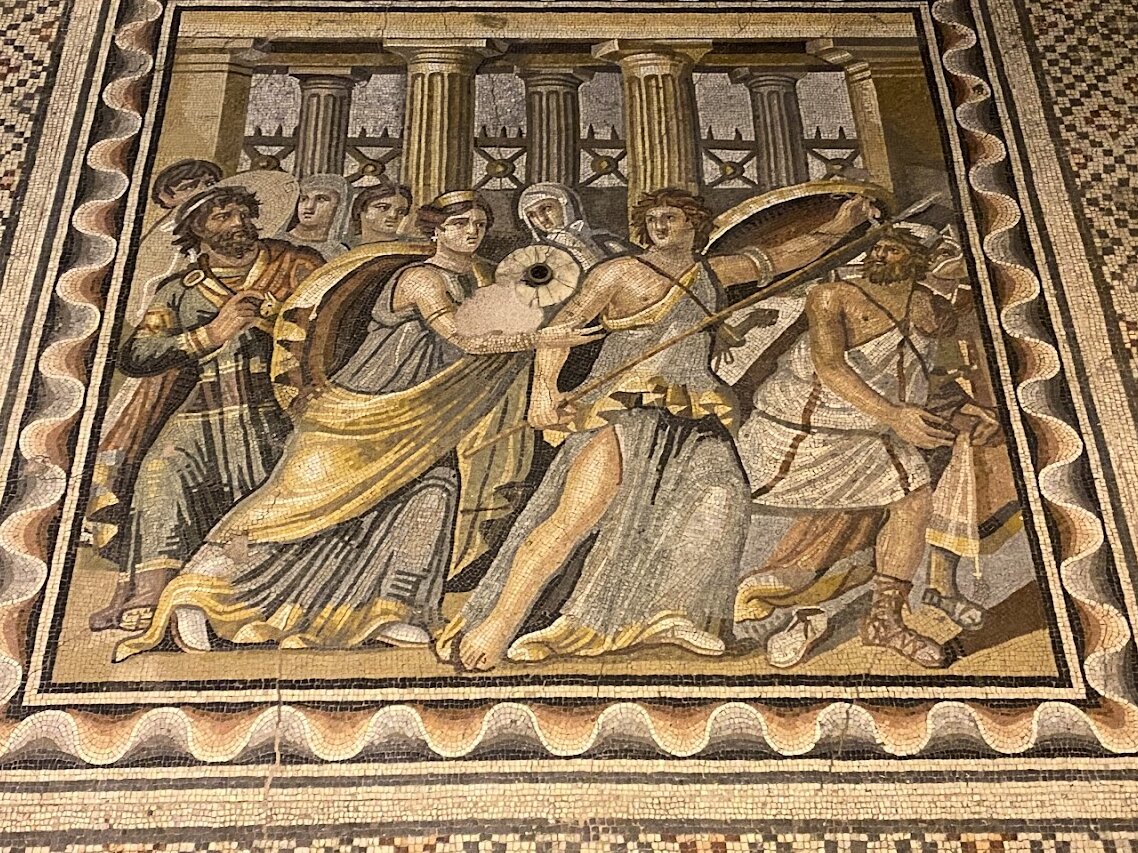
2. Detectives in mosaics: what the stones whisper

🔒 Premium Content

Subscribe to access all chapters of this audio guide.

3. Sweat, betrayals, and steamy loves

🔒 Premium Content

Subscribe to access all chapters of this audio guide.

4. The wild fact that will leave you speechless

🔒 Premium Content

Subscribe to access all chapters of this audio guide.

5. Eagle eyes: marks that 99% ignore

🔒 Premium Content

Subscribe to access all chapters of this audio guide.

6. The steam that never fades from your memory

🔒 Premium Content

Subscribe to access all chapters of this audio guide.

❓ Frequently Asked Questions

What are the visiting hours for the Roman Baths of Emperor Justinian in Gaziantep and how can I get there?

Currently, the Roman Baths of Emperor Justinian are not open to the general public for visits as a tourist attraction in themselves, as they are primarily an archaeological site under research or conservation. They are located in the neighborhood called Dülük, about 10 km north of the center of Gaziantep. The best thing to do is to find out if there are special guided tours or open days by consulting directly with the Ministry of Culture and Tourism of Turkey in Gaziantep or local tourism agencies.

Is there an entrance fee to see the Roman Baths of Emperor Justinian or is it free?

Because the site is not regularly open for mass tourism, there is generally no established entrance fee. However, if special visits are organized or if access is gained through a guided tour, the tour may have an associated cost that covers transportation and the guide. We suggest checking with Gaziantep Metropolitan Municipality Tourism for the most up-to-date information.

How much time is recommended for the visit to the Roman Baths? Is it a short stop or should I dedicate several hours?

Since the baths are not fully exposed or prepared for an extended tourist visit, the visit time would be relatively short, perhaps 30-60 minutes, to observe the remains and learn about their history. If a guide or informational panels are available, you could extend it a bit longer.

How important are these Roman Baths? What is their historical or cultural significance?

These baths are an important part of the ancient Roman city of Doliche, which was a major religious center in antiquity, especially because of the cult of Jupiter Dolichenus. The baths reflect the sophistication of Roman engineering and life in Anatolia and offer a glimpse into daily life and hygiene practices of that era in a region with a rich cultural and historical mix.

Is there a better time of year or day to visit the Roman Baths of Emperor Justinian?

If you manage to organize a visit, the best time would be during spring (April-May) or autumn (September-October), when the climate in Gaziantep is milder and more pleasant. During the summer, temperatures can be very high. If possible, early mornings or late afternoons avoid the most intense heat.

Are the Roman Baths accessible for people with reduced mobility or wheelchair users?

Since it is an archaeological site in the process of excavation or conservation and is not fully developed for tourism, accessibility for people with reduced mobility is likely to be limited. The terrain may be uneven and lack ramps or facilities. It is recommended to contact local authorities or a specialized guide to verify current conditions.

Are there other interesting things to see or do near the Roman Baths in Gaziantep?

Of course! Gaziantep is a city with an incredibly rich history. Near the baths, in Dülük, you can explore the ancient city of Doliche, including the Keber Tepe cave. In the center of Gaziantep, you can't miss the amazing Zeugma Mosaic Museum, Gaziantep Castle, the Archaeological Museum, and the atmosphere of its historic bazaars. Gaziantep is also famous for its gastronomy, so be sure to try the baklava!

Any practical tips to make the most of my visit to the Roman Baths?

Given the state of conservation of the site, I strongly recommend hiring a local guide who can provide you with the historical and archaeological context. Wear comfortable shoes, sunscreen, and bring plenty of water, especially if you visit during warm months. Make sure you have transportation planned, as the baths are outside the city center.

¿Prefieres escuchar en español?

🇪🇸 Escucha la audioguía de the Roman Baths of Emperor Justinian en español