Donde las estatuas tienen más historias que los guías turísticos
The museum usually opens every day from 8:30 AM to 5:00 PM in winter and until 7:00 PM in summer, although the ticket office closes earlier. It is located in the city center, within easy walking distance of the famous Pool of Abraham, so it is easy to reach on foot if you are staying in the historic area.
Admission is paid (the price is updated frequently due to the local economy) and gives you access to both the archaeological museum and the mosaic museum. You can check current rates and buy tickets on the official Turkey museums website, where they also accept the Museum Pass Türkiye.
This is one of the largest museum complexes in Turkey, so I recommend allowing at least 2 to 3 hours to see it properly. If you are passionate about Neolithic history and Gobekli Tepe, you could easily spend half a day here without missing any details.
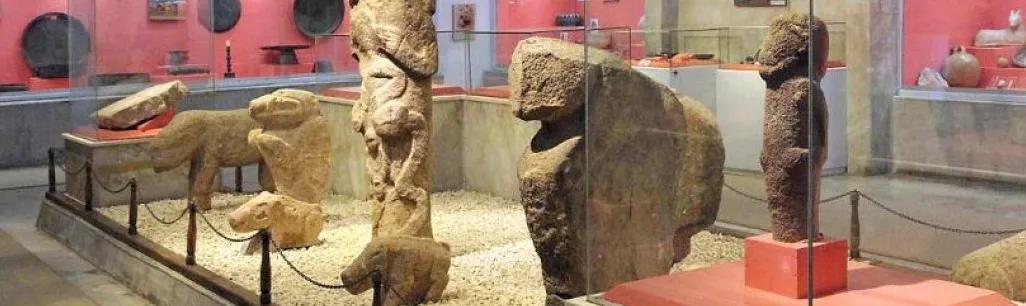
It is essential because it houses the most complete Neolithic collection in the world, including the oldest life-size human statue ever found, the Urfa Man. Here you will see exact replicas of the enclosures at Gobekli Tepe and original artifacts that rewrite the history of civilization.
The best season is spring (April-May) or autumn (September-October) to avoid the intense summer heat in Urfa. For your visit, I suggest going first thing in the morning (8:30 AM) to enjoy the galleries, especially the Gobekli Tepe hall, without crowds.
Yes, the facilities are modern (opened in 2015) and fully adapted with wide ramps, elevators, and accessible restrooms. The route is very comfortable for wheelchairs and strollers, allowing for a barrier-free visit.
Right next door you have the Haleplibahce Mosaic Museum, famous for its Amazons, and you are just a few minutes' walk from the sacred Pool of Abraham and the historic bazaar. It is ideal for a full day of sightseeing without needing any additional transport.
The museum is huge and you will do a lot of walking, so wear very comfortable shoes and bring water. I recommend following the marked chronological order closely to understand the historical development, and do not skip the ethnography section at the end to see what traditional life in Urfa was like.
¿Prefieres escuchar en español?
🇪🇸 Escucha la audioguía de Sanliurfa Museum en español