
No te vayas sin conocer la historia Suscribete
IAudioGuia iaudioguia
Audio Guides of Antalya

Audio Guide of Perge

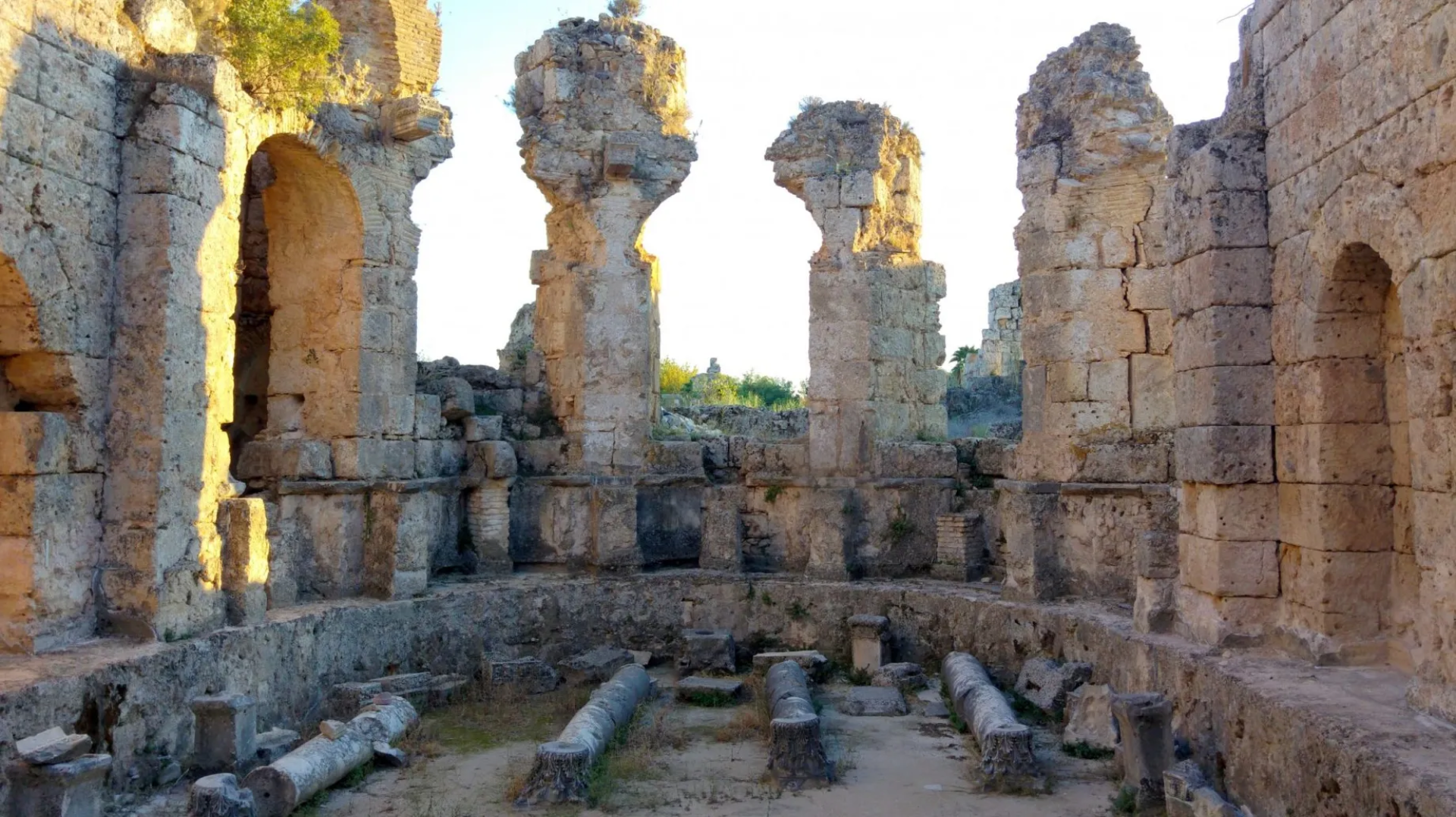
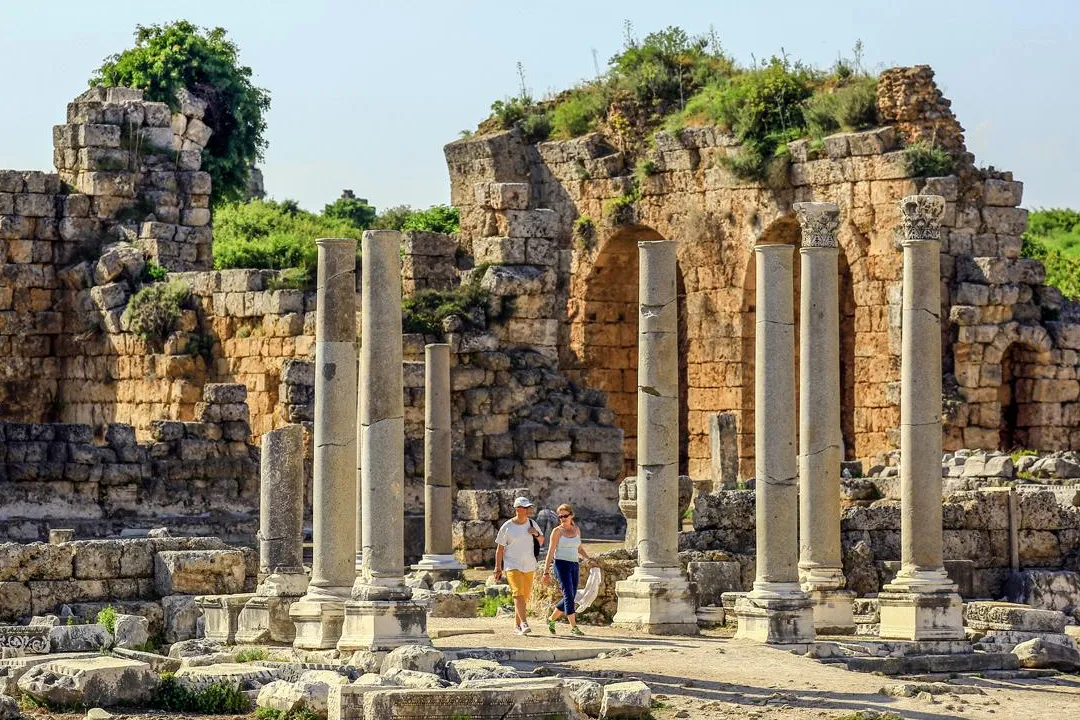
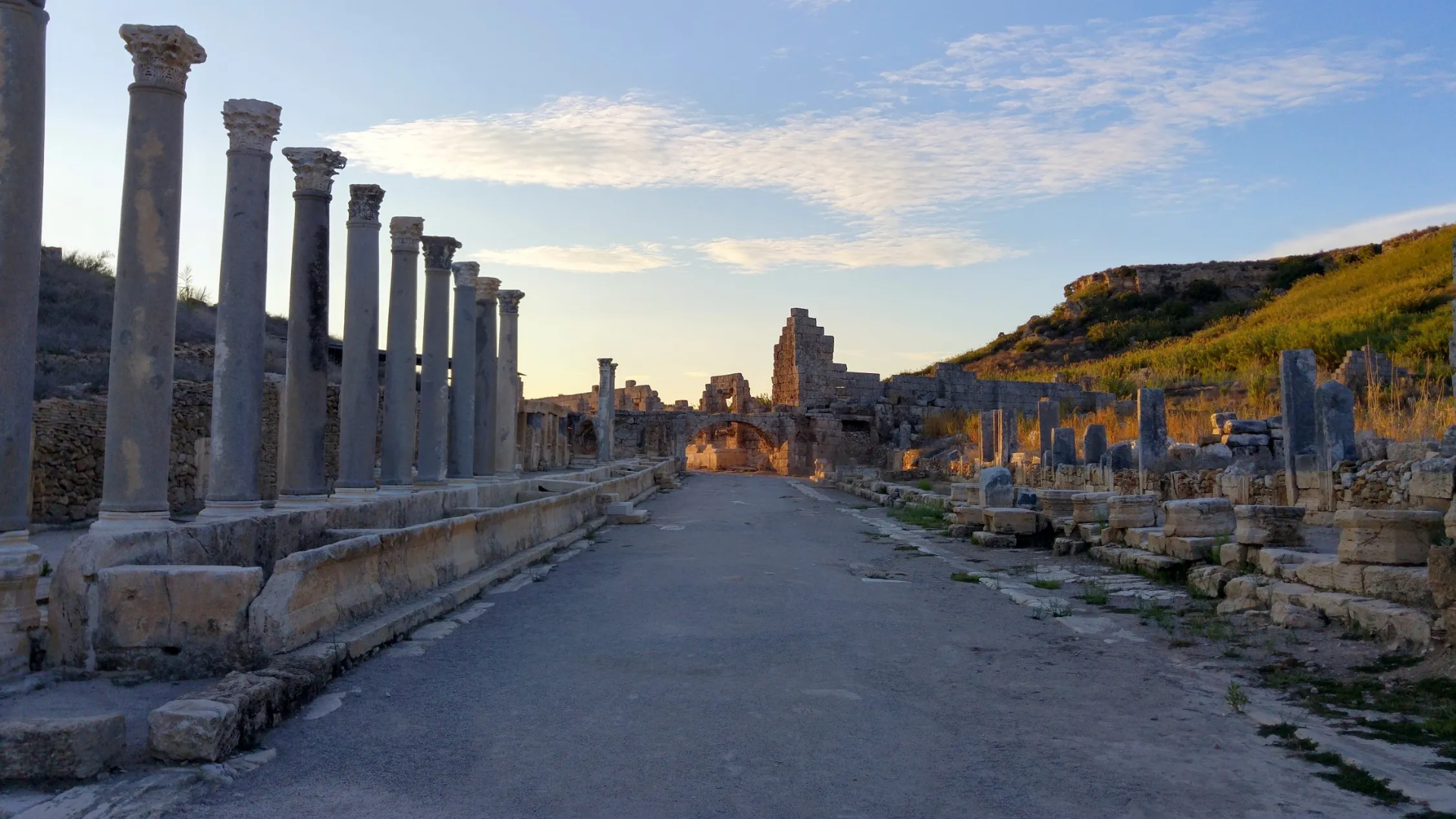
Ruins of an ancient Greco-Roman city with an impressive theater, stadium, and Roman baths.

✓ What guidebooks don't tell you
✓ Secrets other tourists miss
✓ Listen while you explore
Discover everything
00:00
00:00
Rate this audio guide

📖 Audio Guide Chapters

8 chapters

1. Introduction

🔒 Premium Content

Subscribe to access all chapters of this audio guide.

2. The Hellenistic Gate

🔒 Premium Content

Subscribe to access all chapters of this audio guide.

3. The Stadium of Perge

🔒 Premium Content

Subscribe to access all chapters of this audio guide.

4. The Roman Theater

🔒 Premium Content

Subscribe to access all chapters of this audio guide.

5. The Roman Baths

🔒 Premium Content

Subscribe to access all chapters of this audio guide.

6. The Colonnaded Street

🔒 Premium Content

Subscribe to access all chapters of this audio guide.

7. The Acropolis

🔒 Premium Content

Subscribe to access all chapters of this audio guide.

8. Conclusion

🔒 Premium Content

Subscribe to access all chapters of this audio guide.

❓ Frequently Asked Questions

What are Perge's opening hours and how can I get there?

Perge is usually open from 8:00 AM to 7:00 PM during the high season (April-October) and until 5:00 PM in the low season (November-March), although it is always advisable to check the latest hours on the official website or by calling. It is located about 15 km east of Antalya and can be easily reached by taxi, local bus (minibus), or rental car, following the signs to 'Perge Ancient City'.

How much does admission to the ancient city of Perge cost, and are there any discounts?

The admission price to Perge is usually around 200 Turkish lira (TL) for adults, but it may vary. There are often discounts for students with an international ID card, and admission is free for young children. If you plan to visit multiple archaeological sites in Turkey, consider purchasing the Museum Pass Turkey, which can save you money.

How much time should I plan for visiting Perge to see it properly?

To explore Perge thoroughly and enjoy its ruins, it is recommended to allow at least 2 to 3 hours. If you are a history enthusiast and like to stop for every detail, you could extend your visit to 4 hours. It is a large site, so plan your time accordingly.

What is the historical significance of Perge, and what makes it so special?

Perge was one of the most important cities of ancient Pamphylia, known for its impressive stadium, theater, and Roman baths, which reflect the grandeur of the Hellenistic and Roman eras. It was a major cultural and commercial center, and it is even mentioned in the Acts of the Apostles as one of the places visited by Saint Paul on his first missionary journey.

What is the best time of day or year to visit Perge and avoid the crowds?

The best time to visit Perge is during spring (April-May) or autumn (September-October), when the weather is milder and the crowds are smaller. If you visit in summer, it is advisable to go early in the morning, just after opening, or late in the afternoon to avoid the intense midday heat and the largest number of tourists.

Is Perge accessible for people with reduced mobility or wheelchair users?

Due to the nature of the archaeological terrain, Perge has some areas that are difficult to access for people with reduced mobility, with many dirt paths and uneven stones. However, areas such as the stadium and certain sections of the main streets are more accessible. It is advisable to contact the site administration directly for specific accessibility information by calling +90 242 462 20 83.

What other attractions or places of interest can I visit near Perge?

Near Perge, you can visit Aspendos, famous for its exceptionally well-preserved Roman theater, and Side, a beautiful coastal town with impressive Roman ruins such as the Temple of Apollo. Both sites are part of ancient Pamphylia and perfectly complement a visit to Perge, offering a complete immersion in the region's history.

Do you have any practical tips to make the most of my visit to Perge?

Absolutely. Wear comfortable shoes suitable for walking on uneven surfaces, bring sun protection (a hat, sunglasses, and sunscreen), and carry plenty of water, especially in the warmer months. Consider hiring a local guide or using audio guides to better understand the site's rich history. And of course, don't forget your camera to capture the grandeur of Perge!

¿Prefieres escuchar en español?

🇪🇸 Escucha la audioguía de Perge en español