No te vayas sin conocer la historia Suscribete
IAudioGuia iaudioguia
Audio Guides of Ephesus

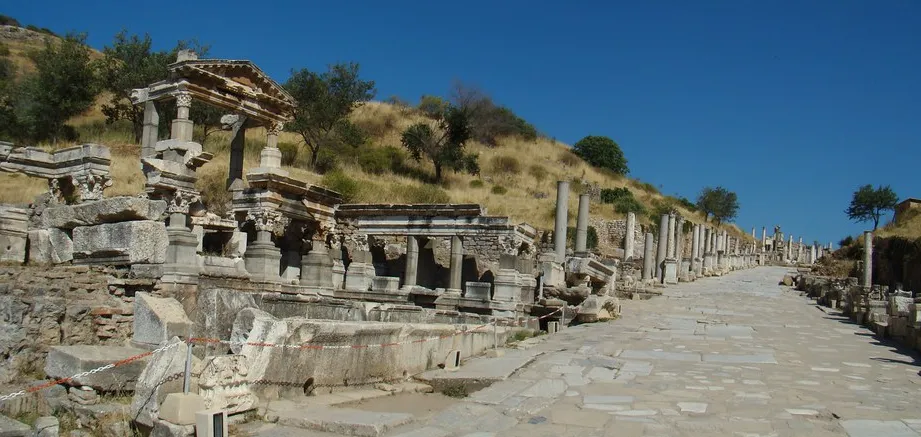
Audio Guide of Curetes Street

A vibrant main avenue in ancient Ephesus, Curetes Street was the heart of social and religious life, lined with monuments, statues, and historic shops.

✓ What guidebooks don't tell you
✓ Secrets other tourists miss
✓ Listen while you explore
Discover everything
00:00
00:00
Rate this audio guide

📖 Audio Guide Chapters

6 chapters

1. Introduction and History

🔒 Premium Content

Subscribe to access all chapters of this audio guide.

2. Architecture and Design

🔒 Premium Content

Subscribe to access all chapters of this audio guide.

3. Art and Decoration

🔒 Premium Content

Subscribe to access all chapters of this audio guide.

4. Historical Figures

🔒 Premium Content

Subscribe to access all chapters of this audio guide.

5. Curiosities and Legends

🔒 Premium Content

Subscribe to access all chapters of this audio guide.

6. Cultural Importance and Legacy

🔒 Premium Content

Subscribe to access all chapters of this audio guide.

❓ Frequently Asked Questions

What time does the Ephesus Archaeological Museum open so I can see finds from Curetes Street, and how can I visit it?

The Ephesus Archaeological Museum, where finds from Curetes Street are displayed, generally opens at 08:30 and closes at 19:00 during the summer season (April-October), and from 08:30 to 17:30 in winter. I always recommend checking the updated opening hours on the official Turkish Museums website so you can plan your visit without surprises.

How much is admission to the Ephesus Archaeological Museum to see objects from Curetes Street? Are there discounts or free entry for anyone?

Admission to the Ephesus Archaeological Museum has a cost that may vary, but it is usually around 100-150 TL (Turkish lira) for adults. Children under 8 typically enter free, and there may be discounts for students with an international student card. It is advisable to check the exact prices and possible Museum Pass Turkey offers on the official site or at the ticket office when you arrive.

How much time is needed to explore the Ephesus Archaeological Museum and appreciate the finds from Curetes Street?

To get a good overview of the Ephesus Archaeological Museum and the exhibits that include key pieces from Curetes Street, I recommend setting aside at least 1.5 to 2 hours. If you like reading the explanations in detail or are a history enthusiast, you could extend your visit to 3 hours.

What historical or cultural importance does Curetes Street in Ephesus have, and why are the museum displays so relevant?

Curetes Street was one of the main and most impressive avenues of ancient Ephesus, full of monuments, fountains, and shops. The finds displayed in the Archaeological Museum, such as statues, reliefs, and architectural elements, are crucial because they reveal the daily life, wealth, and art of one of the most important cities of the ancient world, highlighting Roman influence in the region.

What is the best time of year or day to visit the Ephesus Archaeological Museum and avoid crowds?

The best time to visit the Ephesus Archaeological Museum is early in the morning, just after opening, or late in the afternoon, before closing. As for the time of year, spring (April-May) and autumn (September-October) offer more pleasant temperatures and fewer tourists than summer, which is usually very hot and busy.

Is the Ephesus Archaeological Museum accessible for people with reduced mobility or wheelchairs? Are there elevators or ramps?

Generally, the Ephesus Archaeological Museum is designed to be quite accessible, with ramps and/or elevators that make it easier to access the different galleries. However, it is always a good idea to contact the museum directly (+90 232 892 60 10) before your visit to confirm specific accessibility conditions and whether any area is restricted at that time.

What other attractions or places of interest can I visit near the Ephesus Archaeological Museum after seeing Curetes Street?

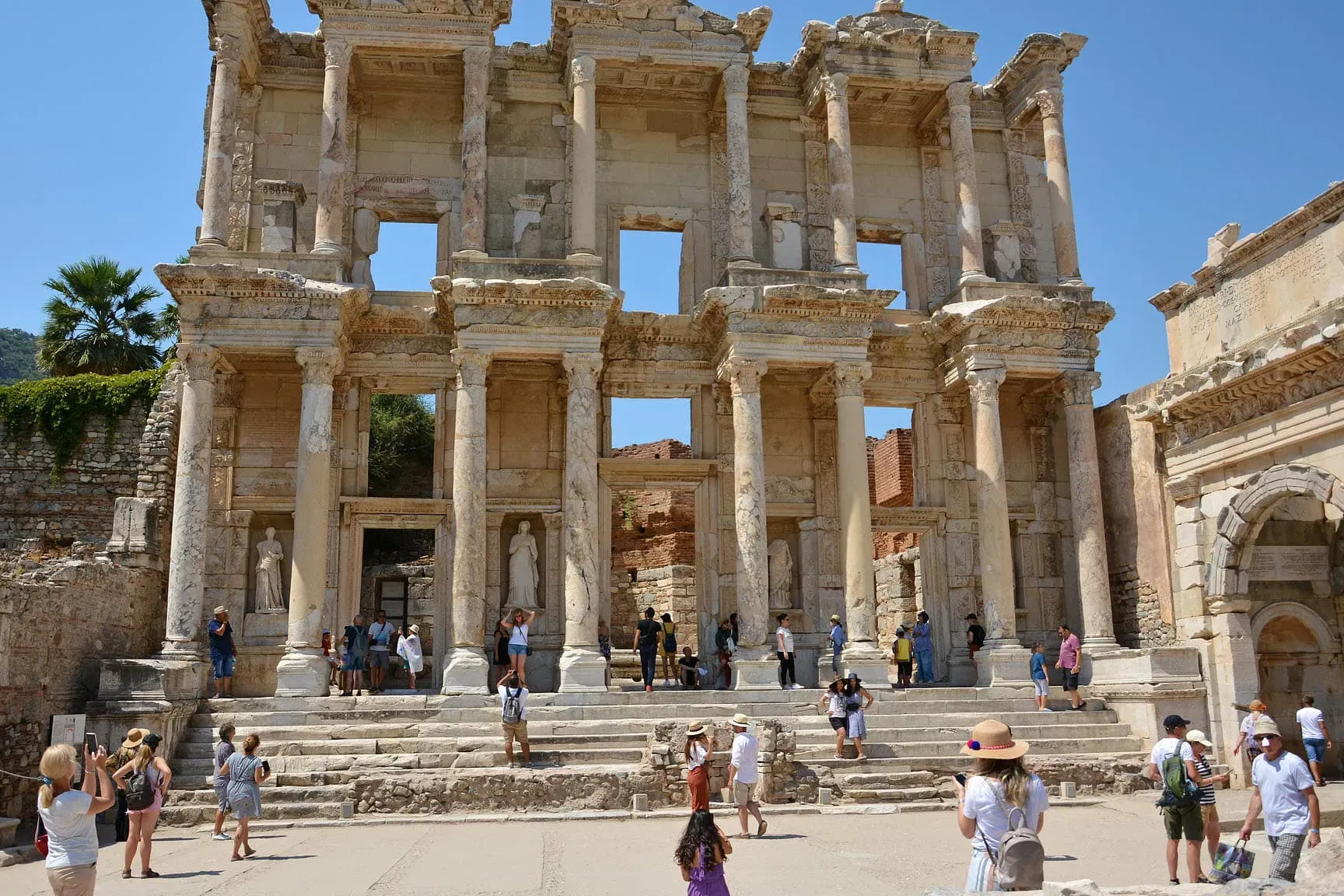
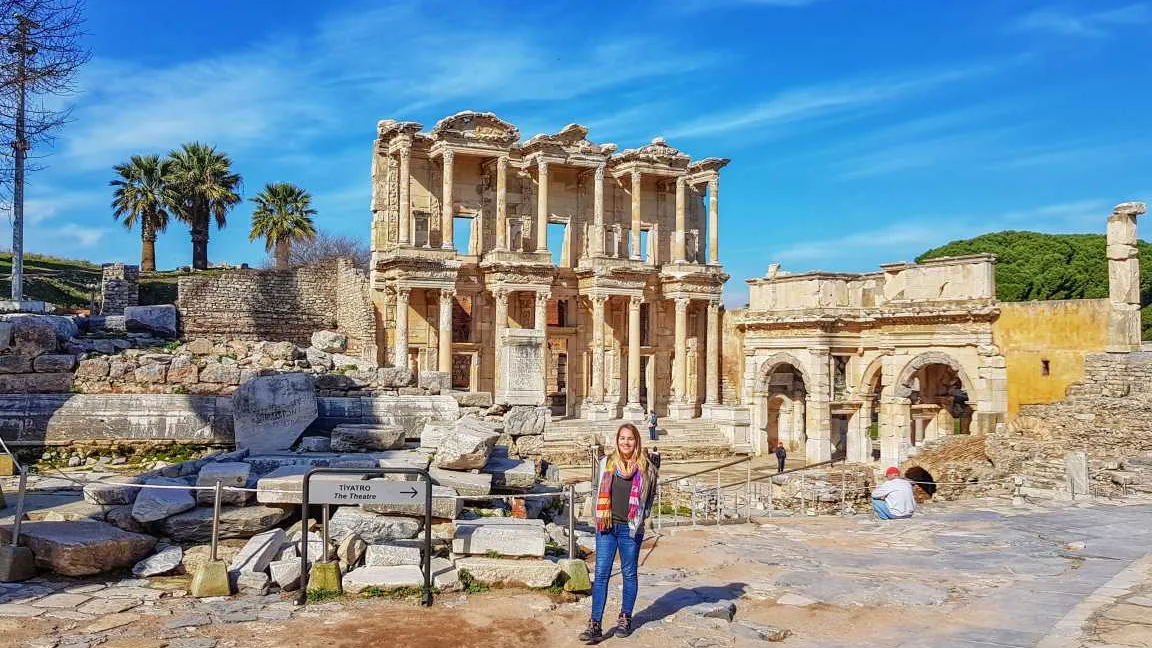
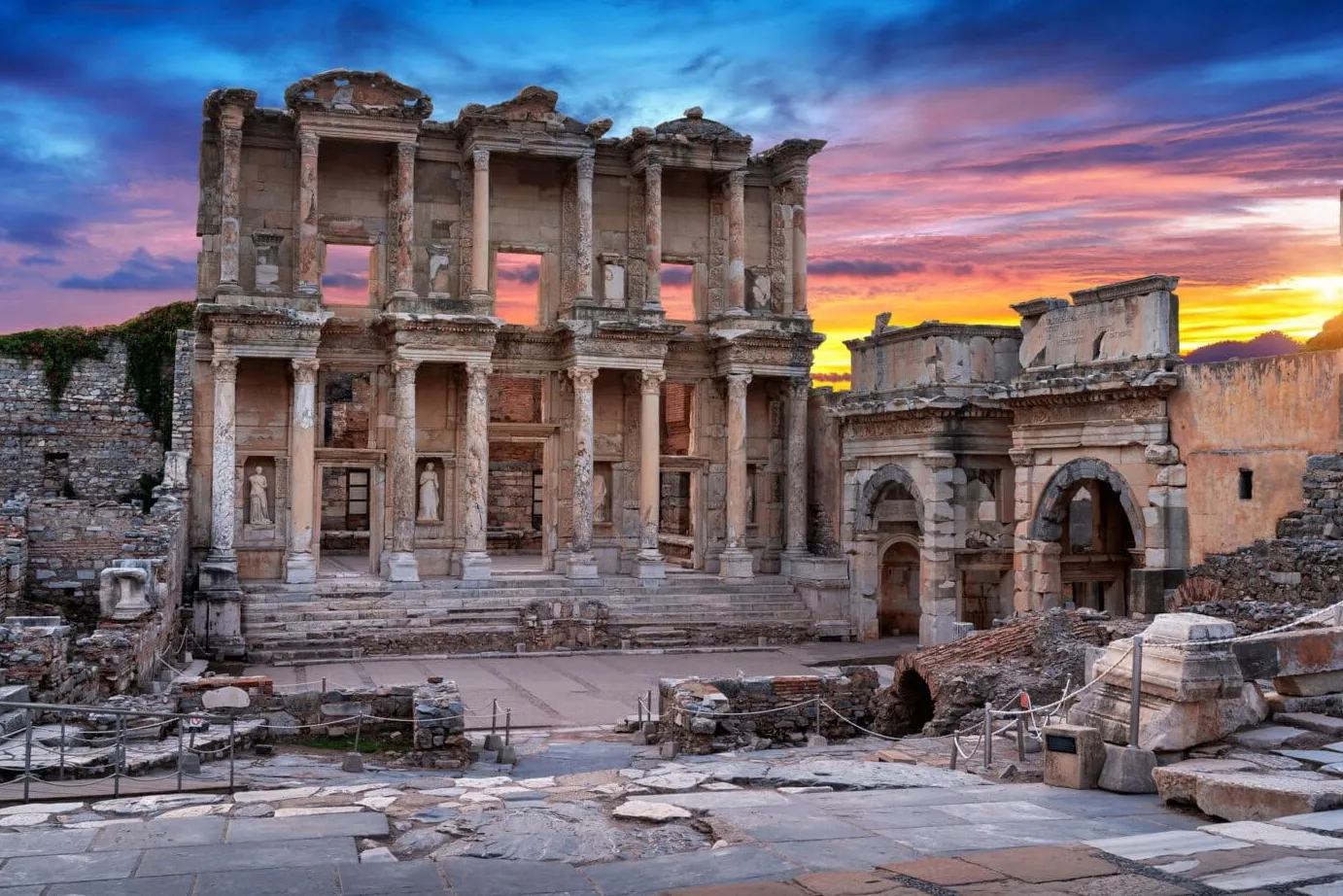
After visiting the museum, you are very close to the majestic and well-preserved ruins of ancient Ephesus, including the Library of Celsus, the Great Theatre, and the Terrace Houses. You can also visit the House of the Virgin Mary and the Basilica of Saint John in Selçuk, both a short distance away. Do not forget the IA audio guide for a complete experience.

Any practical tips to make the most of my visit to the Ephesus Archaeological Museum and the objects from Curetes Street?

Of course. For the best experience, I recommend wearing comfortable shoes, bringing water, especially in summer, and considering getting an audio guide or joining a guided tour to understand the richness of the pieces. Plan your visit in advance and take your time admiring the details of each exhibit, especially the sculptures and mosaics from Curetes Street.

¿Prefieres escuchar en español?

🇪🇸 Escucha la audioguía de Curetes Street en español