No te vayas sin conocer la historia Suscribete
IAudioGuia iaudioguia
Audio Guides of Tabarka

Audio Guide of the Coral Mine

A key site in the history of Mediterranean coral, revealing the hard work of Tabarka's coral fishers.

✓ What guidebooks don't tell you
✓ Secrets other tourists miss
✓ Listen while you explore
Discover everything
00:00
00:00

📖 Audio Guide Chapters

6 chapters

1. Introduction and History

🔒 Premium Content

Subscribe to access all chapters of this audio guide.

2. Architecture and Design

🔒 Premium Content

Subscribe to access all chapters of this audio guide.

3. Art and Decoration

🔒 Premium Content

Subscribe to access all chapters of this audio guide.

4. Historical Figures

🔒 Premium Content

Subscribe to access all chapters of this audio guide.

5. Curiosities and Legends

🔒 Premium Content

Subscribe to access all chapters of this audio guide.

6. Cultural Importance and Legacy

🔒 Premium Content

Subscribe to access all chapters of this audio guide.

❓ Frequently Asked Questions

How do visiting hours work for discovering the coral industry in Tabarka?

The 'Mine' is not a single site but a living tradition; you can visit the Coral Museum (in the former Cistern), generally from 9:00 a.m. to 5:00 p.m. In addition, artisan workshops in the town center usually operate during standard morning and afternoon business hours, closing at lunchtime.

What is the price for learning about the history and buying coral?

Visiting jewelry workshops and watching artisans at work is usually free, since their main goal is sales. Admission to the Coral Museum has a very low symbolic cost (a few dinars), making it an affordable activity for all budgets.

How much time do I need to visit this attraction?

For a complete visit that includes the museum and browsing a couple of jewelry workshops, I recommend setting aside between 60 and 90 minutes. If you plan to seriously shop for coral jewelry, take your time to compare quality and certificates.

What historical importance does red coral have in Tabarka?

Red coral, or 'red gold,' was the economic engine of Tabarka for centuries, attracting Phoenicians, Romans, and Genoese traders. The powerful Lomellini family of Genoa controlled this lucrative trade from the 16th century, building the famous Genoese Fort to protect this wealth.

What is the best time of year to enjoy the coral experience?

Without a doubt, summer is ideal, especially during the Coral Festival, when the town comes alive with cultural events. However, spring offers milder weather that is perfect for walking through the workshops without the intense heat.

Is the museum area and the workshops accessible for people with reduced mobility?

Accessibility is limited; Tabarka has sloping streets and older pavement that can be uneven for wheelchairs. It is recommended to go with assistance and, if possible, use private transport or a taxi to get as close as possible to the entrance of the Museum or the main workshops.

What other iconic places should I visit near the coral area?

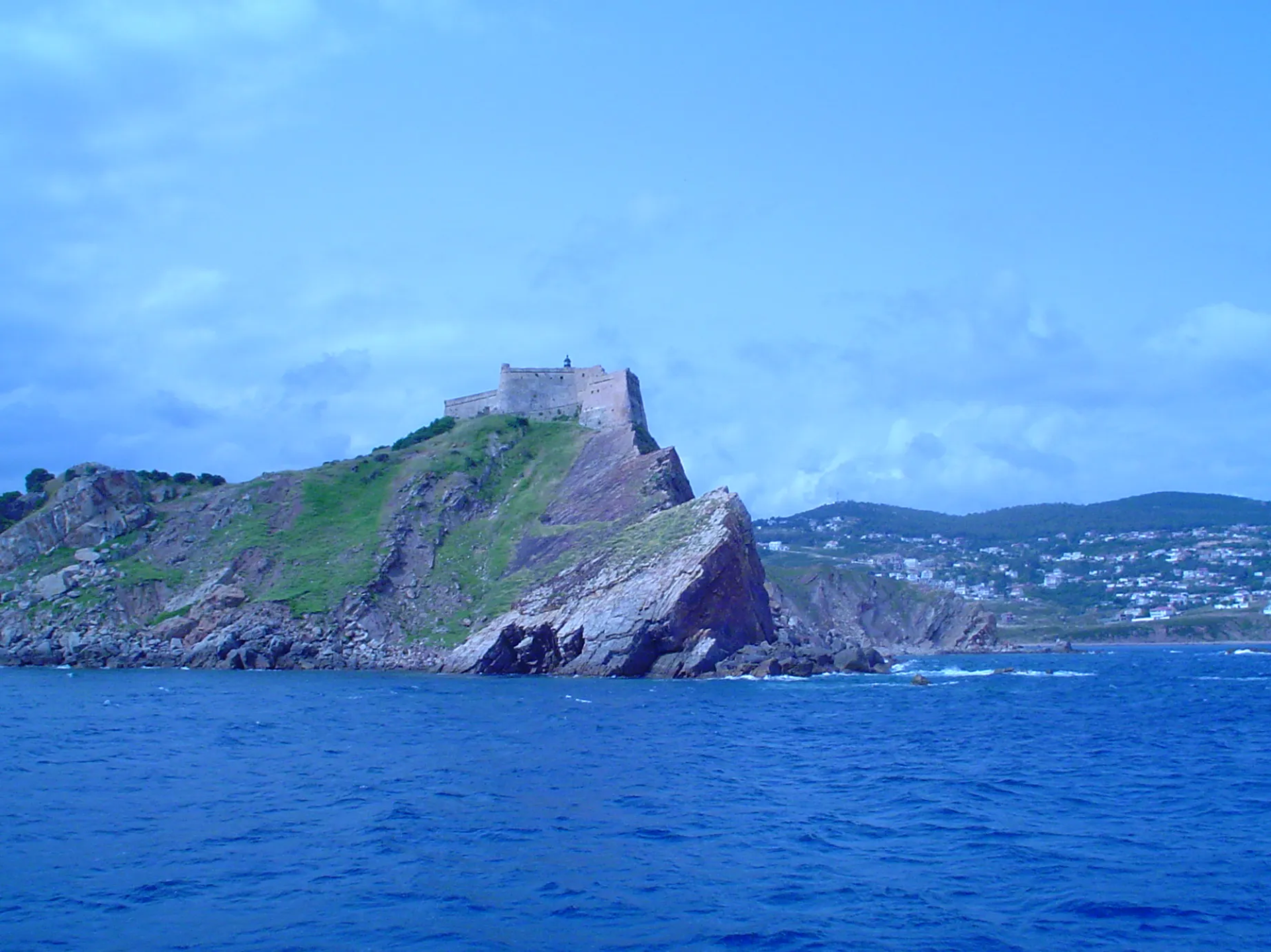
You should not leave without seeing the famous Needles of Tabarka (Les Aiguilles), striking rock formations facing the sea. Also, the imposing Genoese Fort is a short distance away and perfectly complements the story of the coral trade.

Any practical advice for buying coral or enjoying the visit?

Watch out for imitations: make sure you buy from reputable shops and always ask for a certificate of authenticity to guarantee that it is genuine red coral from Tabarka. If you enjoy adventure, ask about diving excursions to see the coral's natural habitat.

¿Prefieres escuchar en español?

🇪🇸 Escucha la audioguía de the Coral Mine en español