The best-kept secret of Shemlali Subscribe
IAudioGuia iaudioguia
Audio Guides of Shemlali

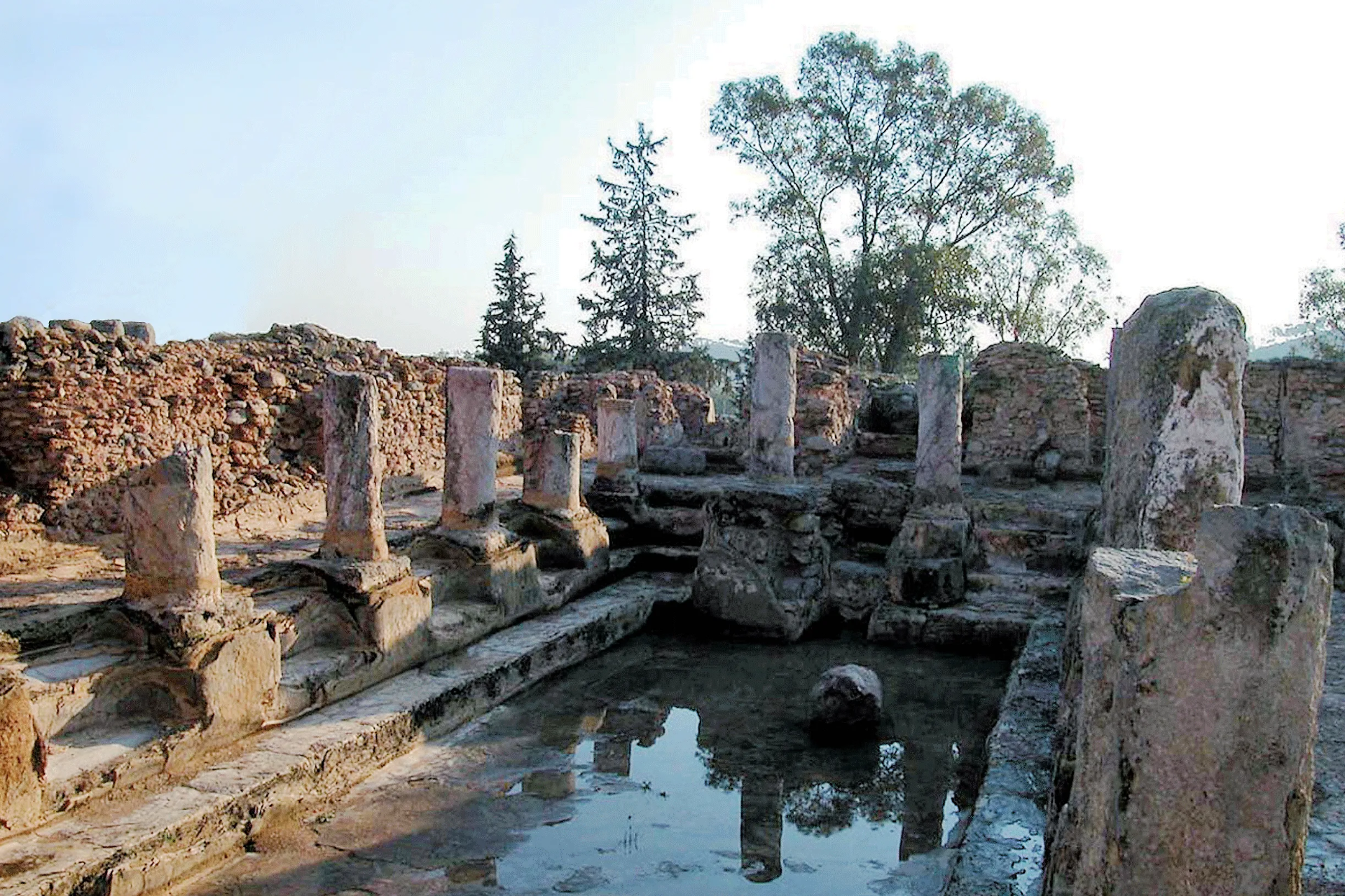
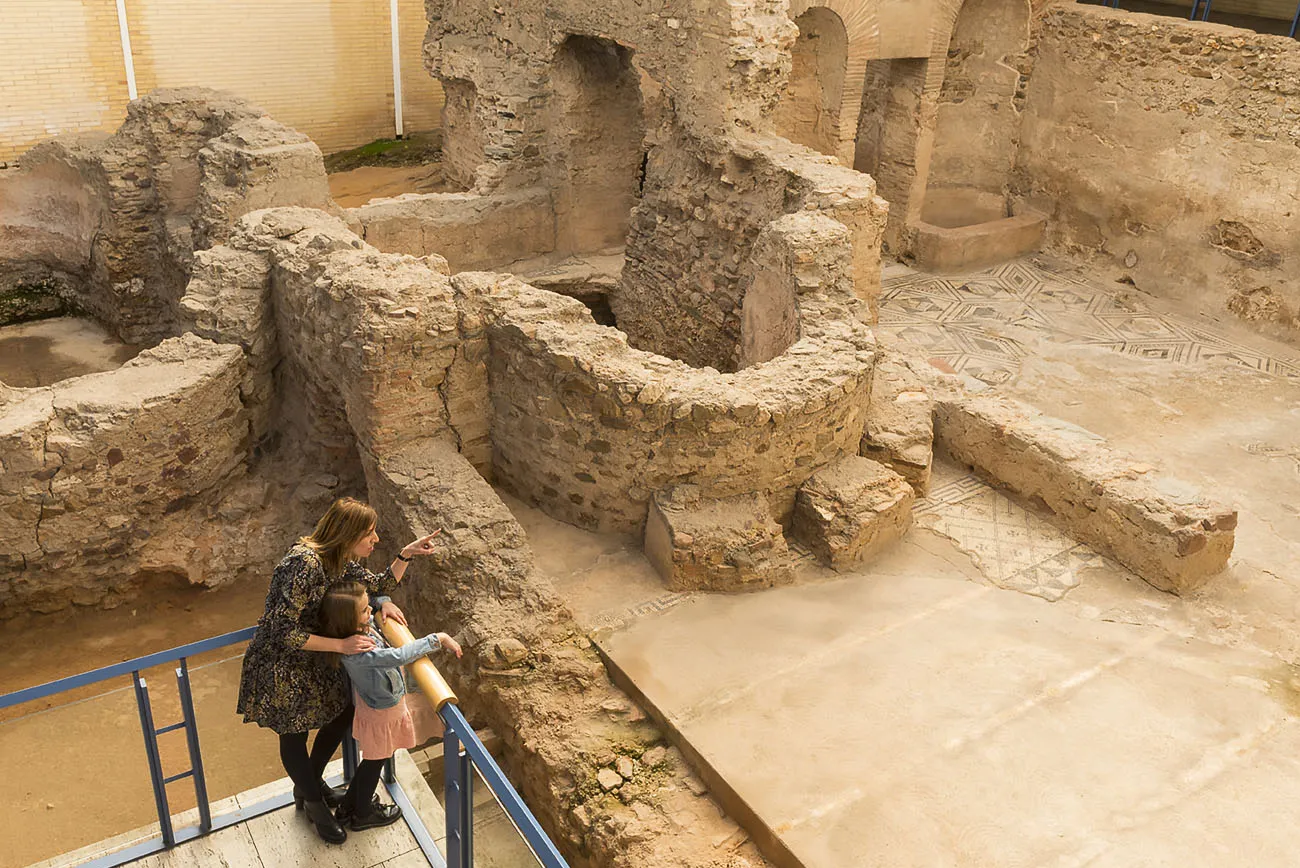
Audio Guide of the Roman Baths of Jebel Oust

Discover the Roman Baths of Jebel Oust in Shemlali. A unique experience to explore its history and significance.

✓ What guidebooks don't tell you
✓ Secrets other tourists miss
✓ Listen while you explore
Discover everything
00:00
00:00
Rate this audio guide

📖 Audio Guide Chapters

6 chapters

1. The Bathhouse That Defied the Gods

🔒 Premium Content

Subscribe to access all chapters of this audio guide.

2. Detective Among the Ruins: What Are the Walls Hiding?

🔒 Premium Content

Subscribe to access all chapters of this audio guide.

3. Steamy Romances and Treacherous Betrayals

🔒 Premium Content

Subscribe to access all chapters of this audio guide.

4. The Absurd Side the Guidebooks Leave Out

🔒 Premium Content

Subscribe to access all chapters of this audio guide.

5. Eagle Eyes: The Treasures 99% of Visitors Miss

🔒 Premium Content

Subscribe to access all chapters of this audio guide.

6. The Echo You Carry Back Down the Hill

🔒 Premium Content

Subscribe to access all chapters of this audio guide.

❓ Frequently Asked Questions

What are the opening hours of the Roman Baths of Jebel Oust?

The archaeological site is usually open every day, generally from 08:30 to 17:30 in winter, extending until 19:00 in summer. We recommend arriving in the morning to avoid the hottest hours and ensure entry, as schedules may vary on religious holidays.

How much does admission cost to visit the baths, and where can I buy tickets?

Admission is quite affordable, usually around 5 to 8 Tunisian dinars for foreign visitors. Tickets are purchased in cash directly at the ticket office located at the entrance to the archaeological complex.

How much time should I set aside for a full visit?

To explore the bath structures, pools, and architectural remains at a relaxed pace, we suggest allowing between 45 minutes and one hour. If you are passionate about archaeology, you may want to spend 90 minutes to appreciate all the details carefully.

Why are the Baths of Jebel Oust so historically important?

This site, an ancient Roman town, stands out because its chlorinated thermal waters have been used for therapeutic purposes from antiquity to the present day. It represents a magnificent example of Roman hydraulic engineering and the culture of social well-being in North Africa.

What is the best time of year and day to visit the site?

Spring (March-May) and autumn (September-November) are ideal for avoiding the high temperatures of the Tunisian summer. The best time of day is early morning, when the light is perfect for photos and the weather is cooler for walking among the ruins.

Is the site accessible for people with reduced mobility or wheelchairs?

As it is an archaeological site with uneven ground, changes in level, and dirt paths, full wheelchair access presents significant difficulties. However, some outer areas can be viewed with assistance, although the site is not 100% adapted.

What other tourist attractions are near Shemlali and the baths?

You are a short distance from the city of Zaghouan, where you should not miss the impressive Temple of the Waters, the source of the aqueduct that supplied Carthage. It is also highly recommended to explore the natural surroundings of Mount Zaghouan for hiking enthusiasts.

What practical advice would you give me to make the most of the visit?

Wear comfortable, closed-toe shoes, and bring water and sun protection, as the visit is entirely outdoors. To enrich your experience and avoid seeing only stones, it is ideal to accompany your tour with expert narration that puts the history of the place into context.

¿Prefieres escuchar en español?

🇪🇸 Escucha la audioguía de the Roman Baths of Jebel Oust en español