No te vayas sin conocer la historia Suscribete
IAudioGuia iaudioguia
Audio Guides of Sbikha

Audio Guide of Sbikha Museum

¿Sabías que un simple campesino tropezó con tesoros romanos que cambiaron la historia de este rincón tunecino?

✓ What guidebooks don't tell you
✓ Secrets other tourists miss
✓ Listen while you explore
Discover everything
00:00
00:00
Rate this audio guide

📖 Audio Guide Chapters

6 chapters

1. The Farmer Who Woke the Romans

🔒 Premium Content

Subscribe to access all chapters of this audio guide.

2. Walls That Hide Forgotten Battles

🔒 Premium Content

Subscribe to access all chapters of this audio guide.

3. Betrayed Loves in the Shadows

🔒 Premium Content

Subscribe to access all chapters of this audio guide.

4. Absurdities That Will Make You Burst Out Laughing

🔒 Premium Content

Subscribe to access all chapters of this audio guide.

5. Eagle Eyes for the Invisible

🔒 Premium Content

Subscribe to access all chapters of this audio guide.

6. The Echo You Carry in Your Soul

🔒 Premium Content

Subscribe to access all chapters of this audio guide.

❓ Frequently Asked Questions

What are the opening hours of Sbikha Museum and how can I get there?

In general, local cultural institutions in this region of Tunisia are open from Tuesday to Sunday, usually from 9:00 a.m. to 4:00 p.m., although hours may vary by season or religious holidays. It is located in the center of Sbikha and is easily reached by taxi or private car from Kairouan Governorate.

How much is admission, or is it free to enter?

Admission fees are usually very low and symbolic, typically around 1 to 5 Tunisian dinars (TND) to support the upkeep of local heritage. It is advisable to bring cash in local currency, as credit cards are unlikely to be accepted at the ticket desk.

How much time should I set aside to visit the entire museum?

As it is a local museum of modest size, a visit of 45 to 60 minutes is enough to enjoy the collection at a relaxed pace. This makes it a perfect and efficient stop to complement your route through the region without taking up the whole day.

What historical or cultural importance does this place have?

This museum preserves key pieces for understanding the rural and agricultural history of the Kairouan region, as well as remains from ancient settlements. It is an essential window into the development of local communities beyond the major tourist routes.

What is the best time of year or time of day to plan my visit?

The best time is during spring (March to May) or autumn, avoiding the intense heat of the Tunisian summer. For better lighting and a quieter experience, I suggest arriving early in the morning, just after opening.

Does the museum have access for people with reduced mobility?

Accessibility may be limited due to the building's traditional architecture, which often includes steps or uneven levels. We recommend contacting the Tunisia Tourist Office or visiting with a companion to make access to certain rooms easier.

What other tourist attractions are near Sbikha to make the most of the trip?

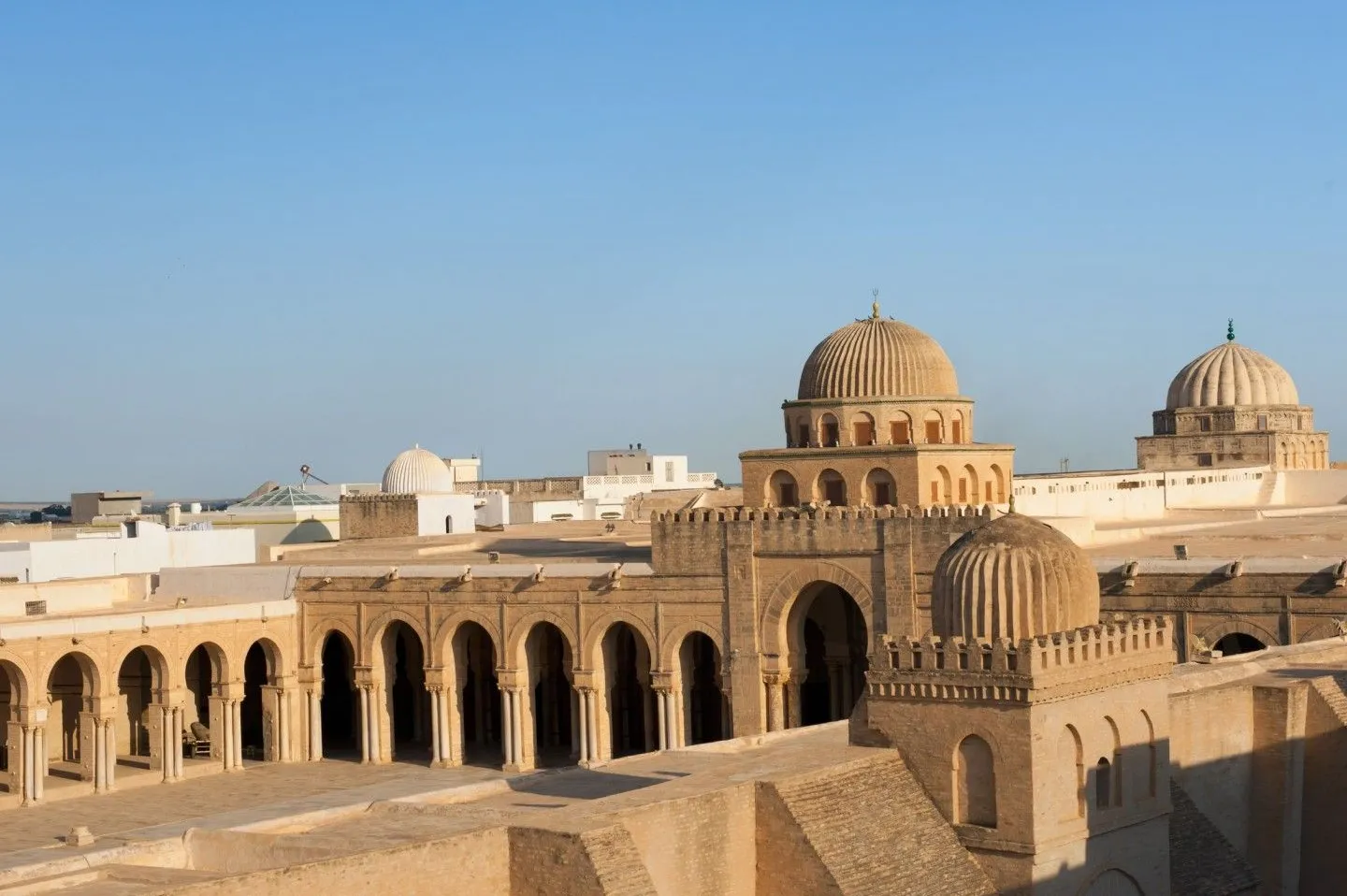
A short distance away is the impressive city of Kairouan, famous for its Great Mosque, a UNESCO World Heritage Site. You can find more details about this must-see place on the UNESCO website to round out your cultural day.

What practical advice would you give me to make the most of the experience?

Bring bottled water, comfortable shoes, and download an audio guide on your phone for historical context, as signage in other languages may be limited. Do not forget to ask locals about the oral stories of the place, which are often the real treasure of these small museums.

¿Prefieres escuchar en español?

🇪🇸 Escucha la audioguía de Sbikha Museum en español