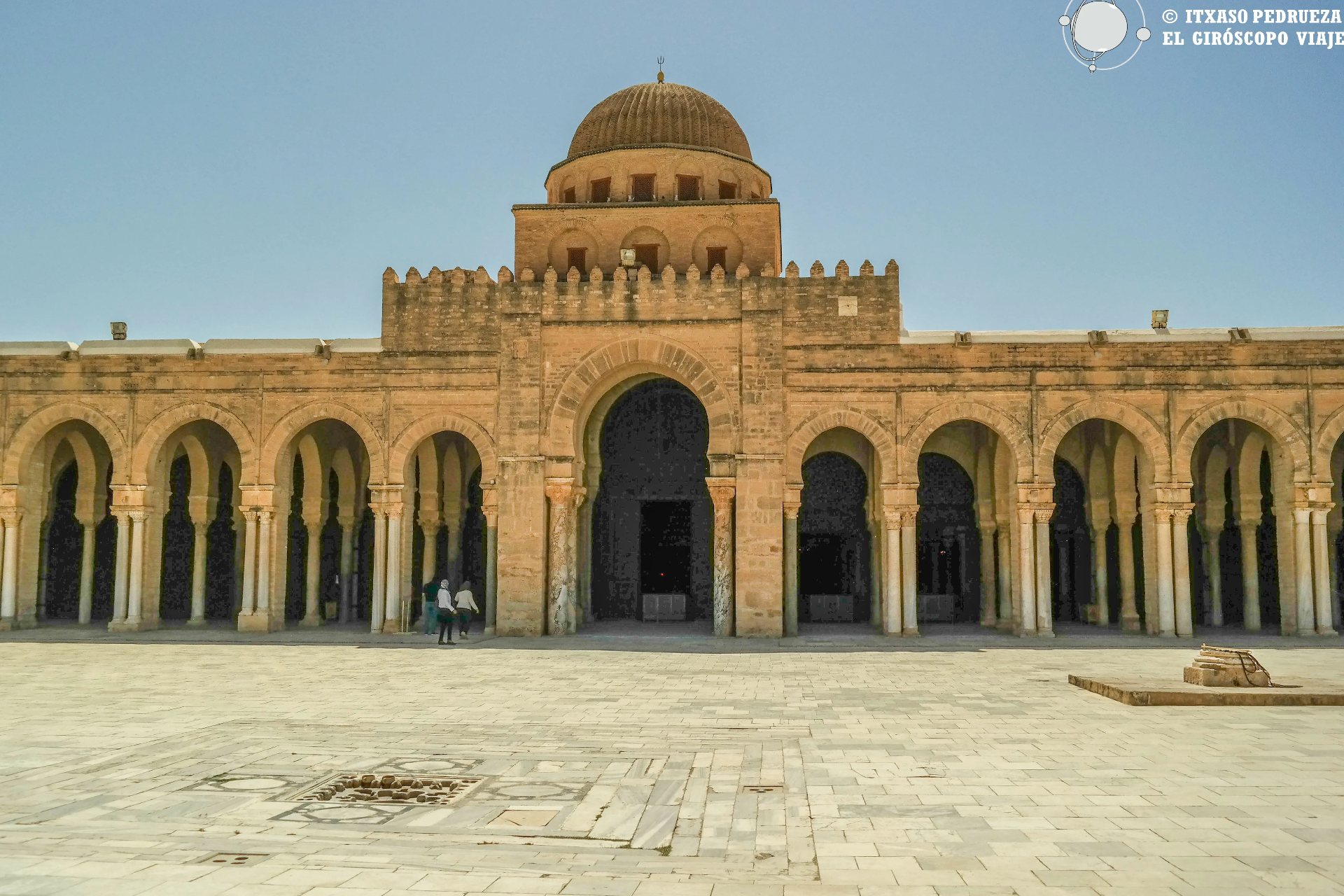
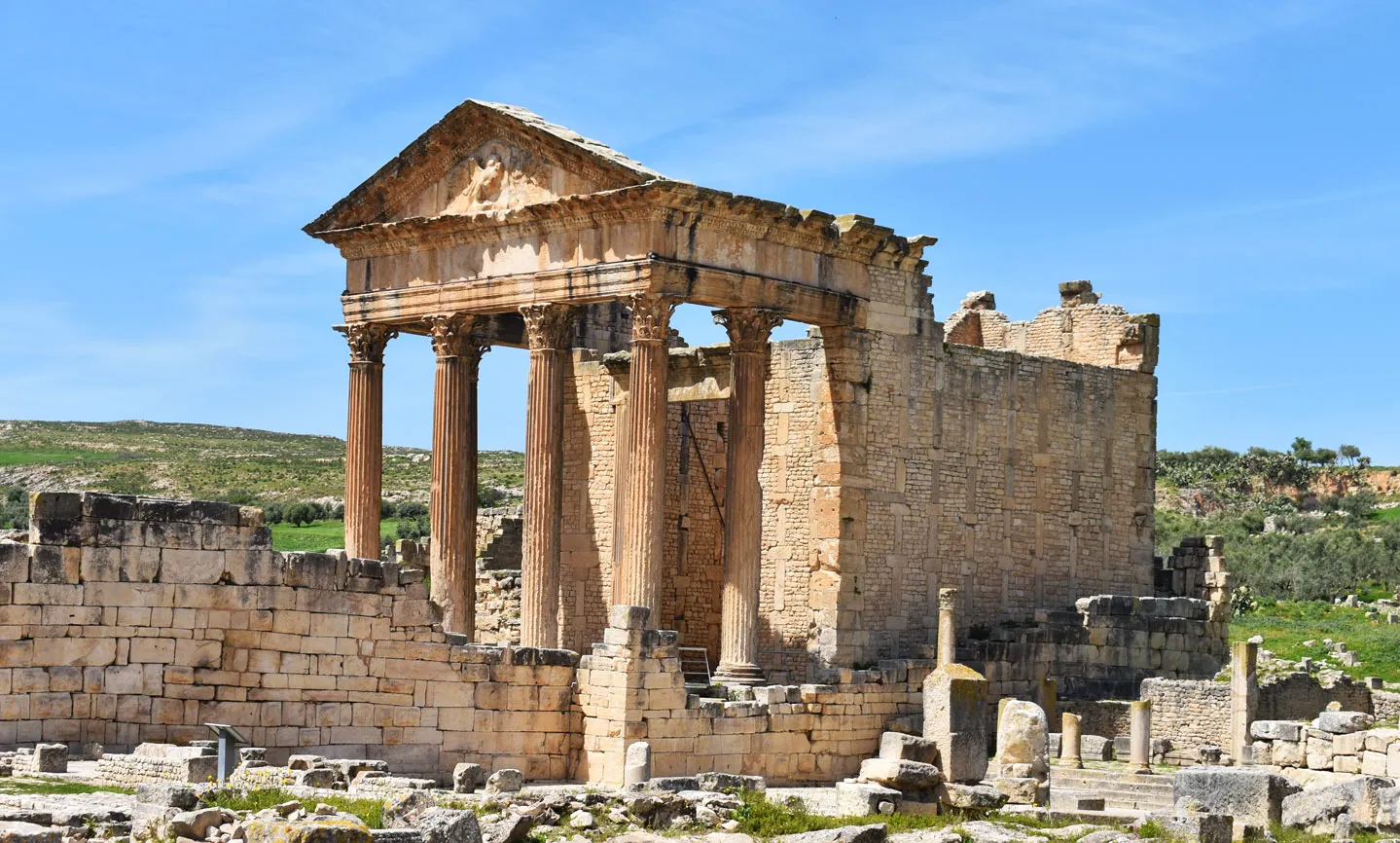
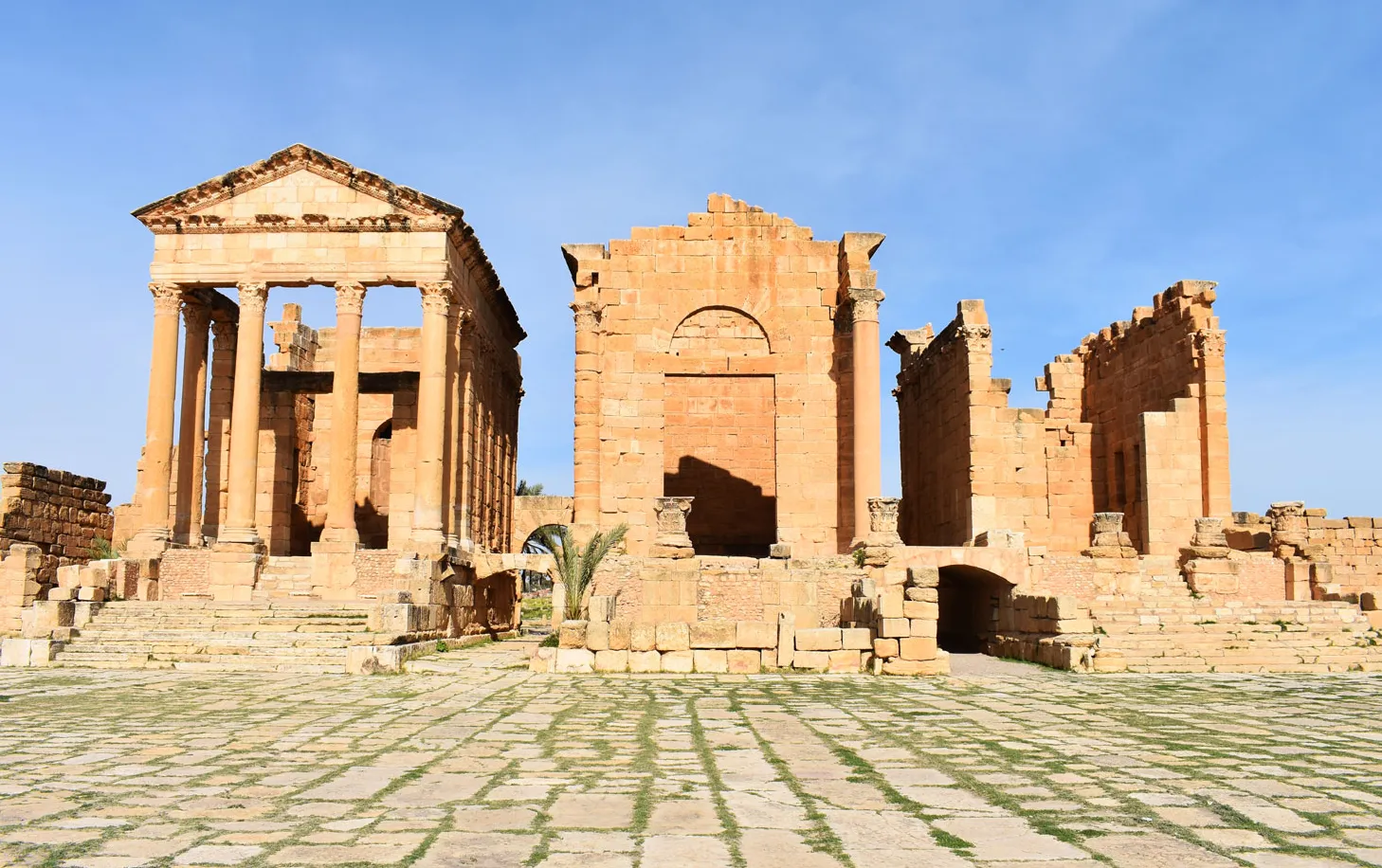
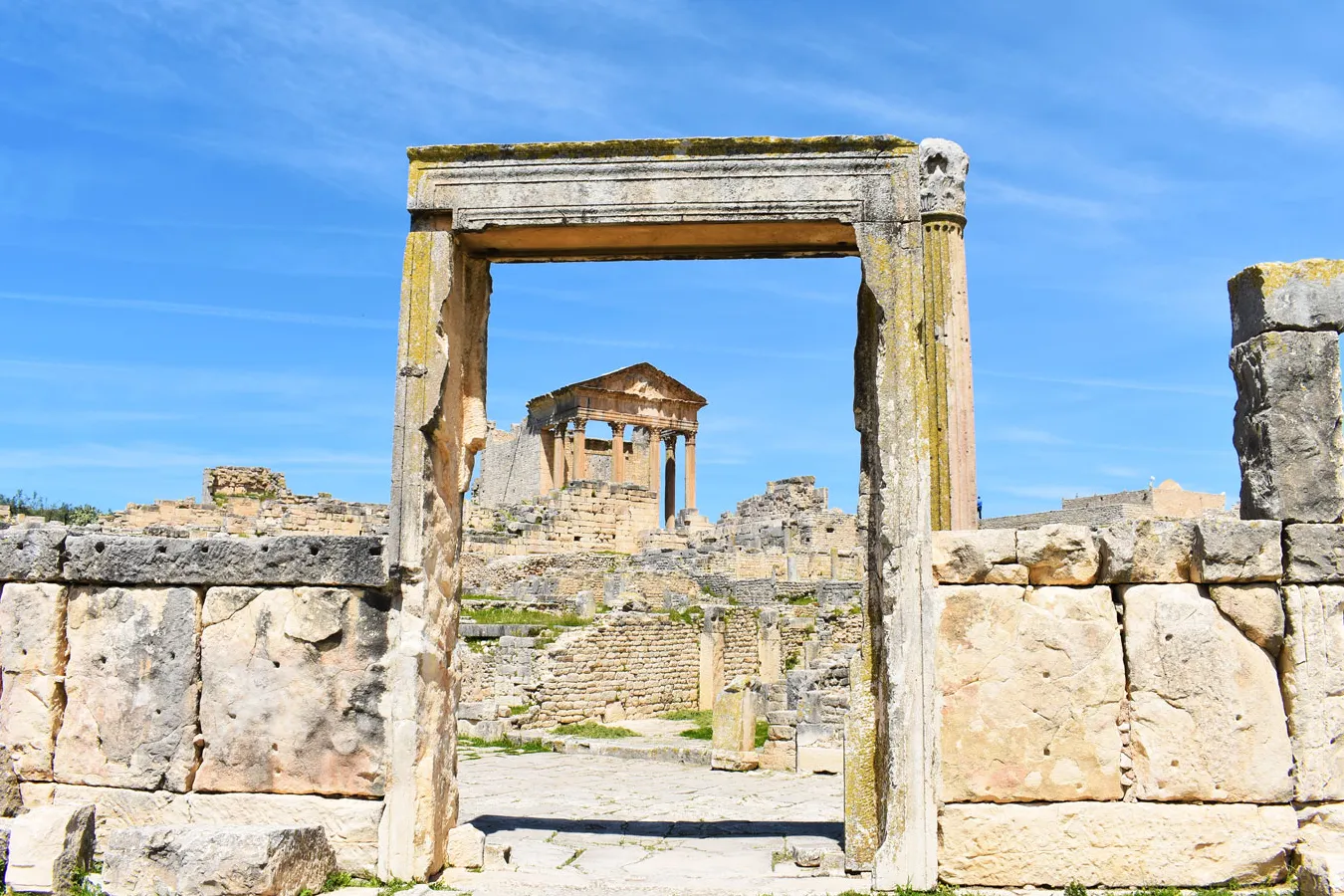
A journey into the past through the remains of a Roman bath complex in the heart of a Tunisian oasis.
The Roman Baths Ruins of Nefta are an open-air site and are generally accessible during daylight hours, although they do not have a strict official schedule. They are located very close to the center of Nefta, so you can easily get there on foot or by local taxi from anywhere in town. There is no specific contact phone number, but you can always ask locals or your accommodation. Unfortunately, there is no official website dedicated solely to these ruins.
Good news! Visiting the Roman Baths Ruins of Nefta is completely free. There are no ticket booths or security staff, so you can explore at your own pace at no cost. It is an excellent opportunity to immerse yourself in history without affecting your travel budget.
To explore the Roman Baths Ruins of Nefta thoroughly, we recommend setting aside between 30 and 60 minutes. It is a small site but full of history, and this amount of time will let you appreciate the archaeological remains, take photos, and reflect on their past. If you are especially interested in history, you may want to stay a little longer.
These Roman baths are a fascinating testimony to the Roman presence in Nefta, an oasis town with a rich history. They were a crucial center of social life and hygiene in Roman times, a place for gathering and relaxation in the middle of the desert. Although they are not as grand as other Roman baths, their existence here highlights the reach of the Roman Empire and its ability to establish itself in such diverse environments.
The best time to visit Nefta and the baths is during the autumn months (September-November) and spring (March-May), when temperatures are more pleasant. As for the best time of day, I suggest going early in the morning or late in the afternoon. That way, you will avoid the intense midday heat and enjoy beautiful light for your photos.
Since the ruins are an open-air archaeological site without modern infrastructure, accessibility may be limited. The ground is uneven, with stones and changes in level, which could make access difficult for wheelchairs or baby strollers. Unfortunately, there are no ramps or specially adapted paths for people with reduced mobility.
Absolutely! After visiting the baths, I recommend exploring the Nefta oasis, known as the 'Pearl of the Djerid,' with its thousands of date palms. You can also stroll through the old district of Er-Rmeda, with its traditional architecture and charming atmosphere. The Basket of Nefta, a natural depression with springs, is another impressive place to visit nearby.
To make the most of your visit, I advise bringing water, especially if you are visiting during the warmer months. A hat and sunscreen are also essential, as there is not much shade. Consider wearing good shoes for walking on uneven ground. And most importantly, take your time to observe the details and let your imagination wander, thinking about what Roman life was like in this oasis. Enjoy the history!
¿Prefieres escuchar en español?
🇪🇸 Escucha la audioguía de Roman Baths Ruins en español