Make the most of your time in Mahdia Subscribe
IAudioGuia iaudioguia
Audio Guides of Mahdia

Audio Guide of Ottoman Fort Borj El Kebir

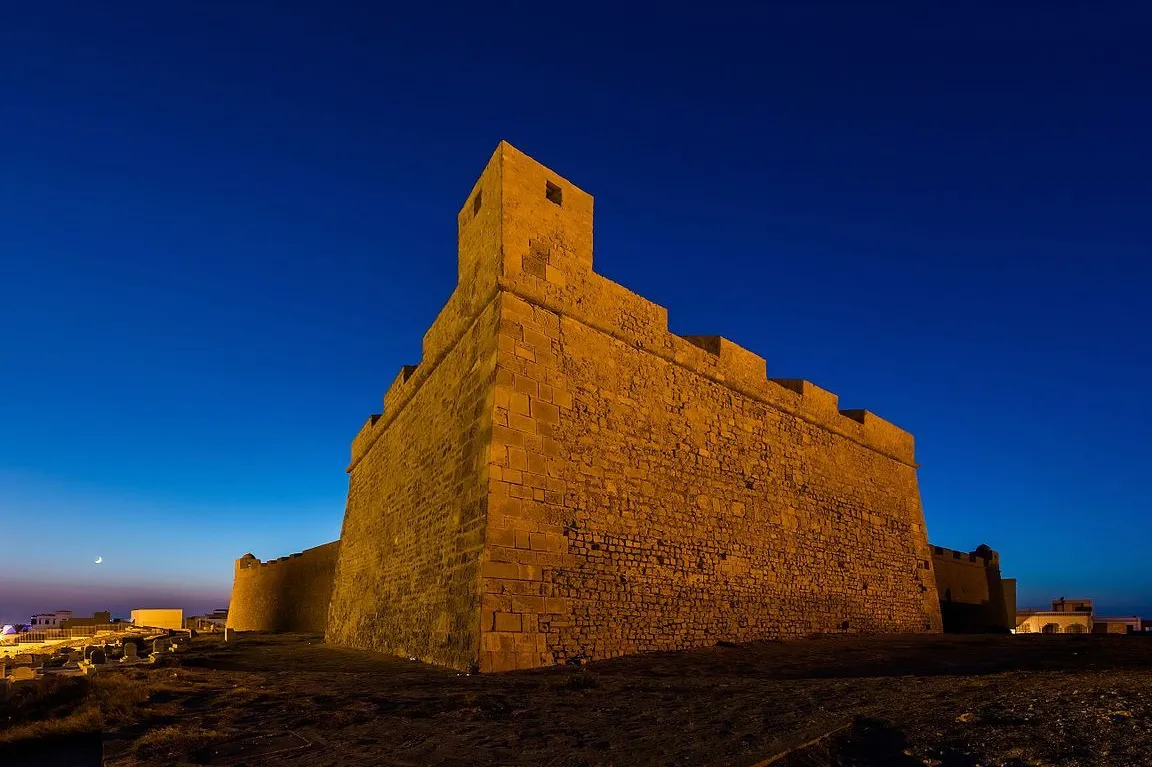
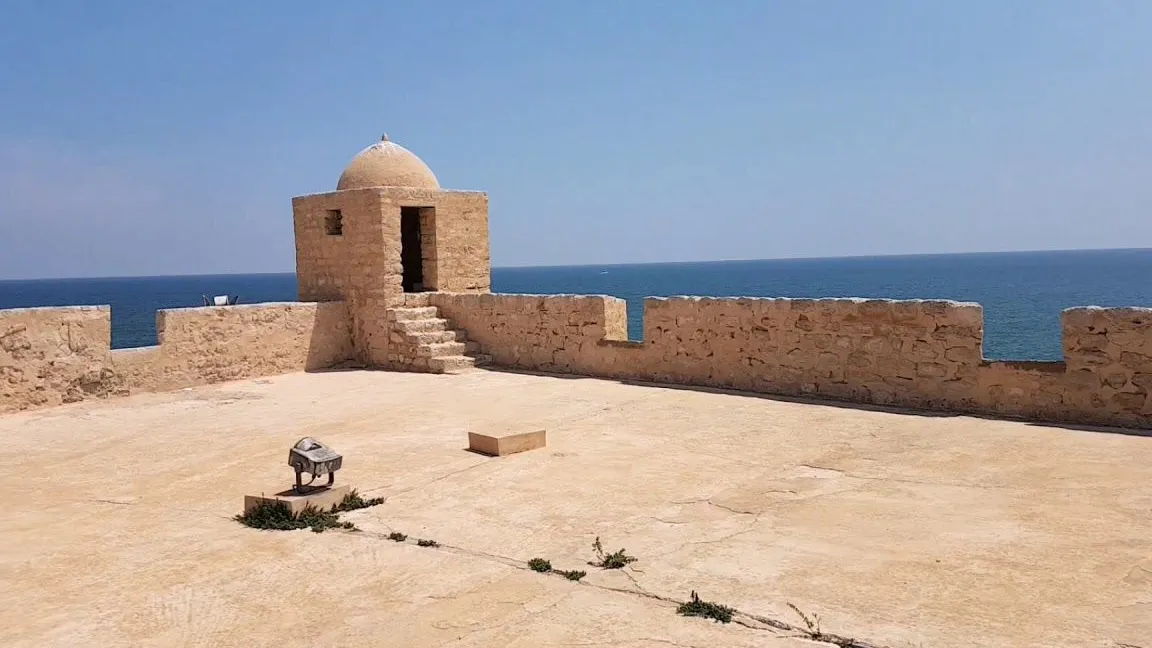
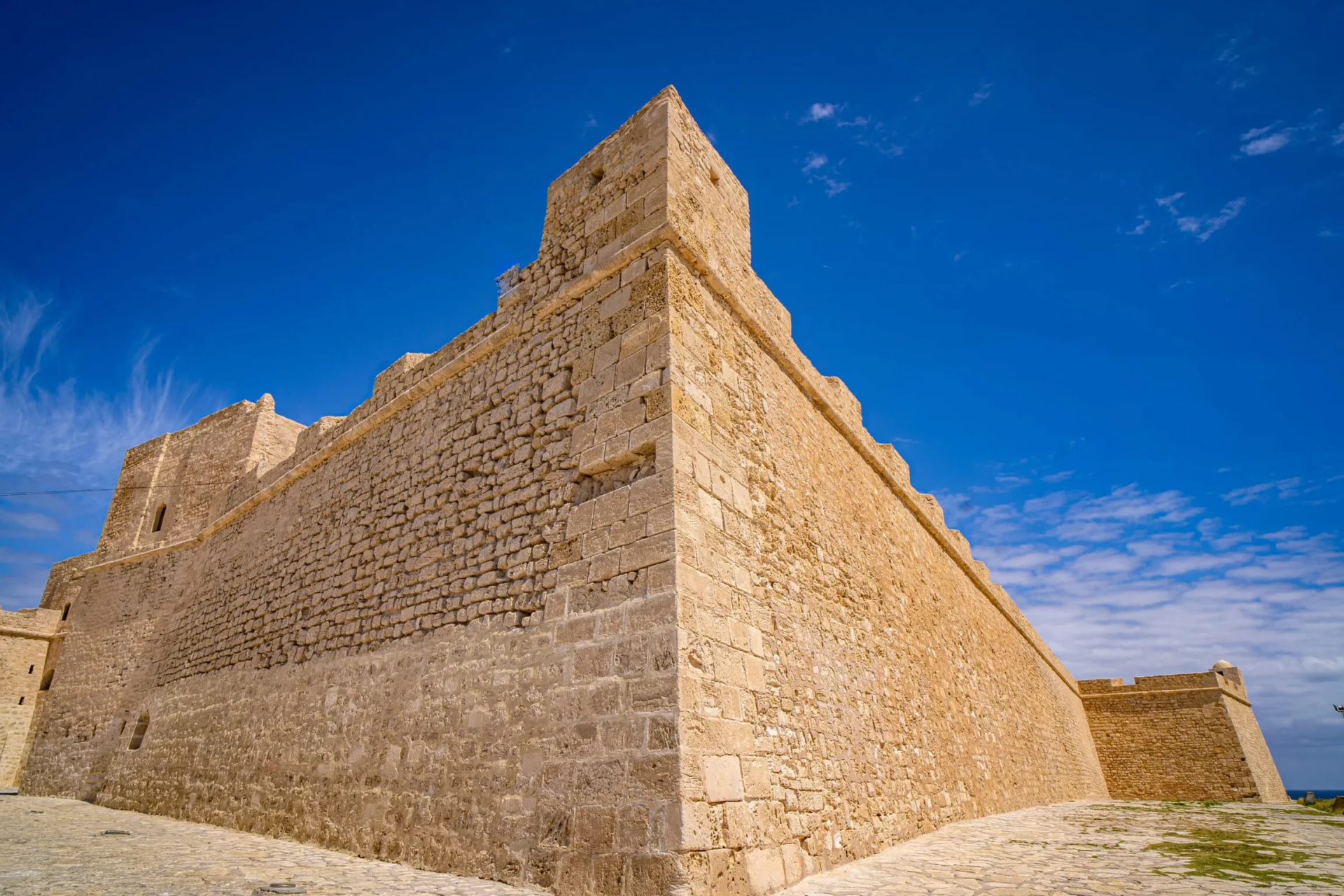
An Ottoman fortress overlooking the coast of Mahdia, a silent witness to centuries of history and battles.

✓ What guidebooks don't tell you
✓ Secrets other tourists miss
✓ Listen while you explore
Discover everything
00:00
00:00
Rate this audio guide

📖 Audio Guide Chapters

6 chapters

1. Introduction and History

🔒 Premium Content

Subscribe to access all chapters of this audio guide.

2. Architecture and Design

🔒 Premium Content

Subscribe to access all chapters of this audio guide.

3. Art and Decoration

🔒 Premium Content

Subscribe to access all chapters of this audio guide.

4. Historical Figures

🔒 Premium Content

Subscribe to access all chapters of this audio guide.

5. Curiosities and Legends

🔒 Premium Content

Subscribe to access all chapters of this audio guide.

6. Cultural Importance and Legacy

🔒 Premium Content

Subscribe to access all chapters of this audio guide.

❓ Frequently Asked Questions

What are the visiting hours for Borj El Kebir and how can I get there?

The fort is usually open from 9:00 AM to 6:00 PM during the high season (summer), but hours may vary in winter. We recommend confirming at the Mahdia tourist information point. It is easily reached on foot from the historic center or by local taxi. More info: Tunisia Tourist Office.

Do I have to pay an entrance fee to visit the Ottoman fort?

Yes, there is a symbolic fee (approximately 10 Tunisian dinars/around €0.30) that helps with the monument’s maintenance. Children under 12 usually enter free of charge. Bring cash in case card payments are limited.

How much time is needed to properly explore Borj El Kebir?

A full visit takes between 1 hour and 1 hour 30 minutes. It includes walking along the walls, exploring the inner courtyards, and enjoying panoramic views of the Mediterranean from the towers. It is ideal to combine the visit with a stroll through the nearby fishing port.

What historical importance does this fort have?

Built in 1595 under Ottoman rule, it was a defensive stronghold against European invasions. Its strategic position controlled the entire coast of Mahdia. The 8-meter-high walls and original cannons still stand as testimony to its military past.

What is the best time to visit to avoid crowds?

April to June and September to October offer mild temperatures and fewer tourists. The early morning hours (9:00 AM-11:00 AM) are ideal for photographs without harsh shadows and to avoid the midday heat in summer.

Is it accessible for people with reduced mobility?

Access has limitations: uneven steps on the ramparts and irregular surfaces. The ground floor can be visited partially, but not the towers. We recommend contacting +216 73 681 012 in advance for specific accessibility details.

What other interesting places are near Borj El Kebir?

A 5-minute walk away you will find: the Slimane Mosque (18th century), the Marine Cemetery, and the fish market. Do not miss the walled medina and the fine sandy beaches such as Mahdia-Lamta (part of the UNESCO network).

What recommendations would you give to enjoy the visit more?

Wear non-slip footwear (stones polished by the wind), bring sun protection and water. Enhance your experience with a historical audio guide downloadable from iaudioguia.com that provides context for each area of the fort.

¿Prefieres escuchar en español?

🇪🇸 Escucha la audioguía de Ottoman Fort Borj El Kebir en español