¿Sabías que un viejo baño turco otomano guarda mosaicos romanos que han visto emperadores caer? Ven, te cuento los chismes de la antigua Curubis.
The Korba Archaeological Museum is generally open from Tuesday to Sunday. We recommend checking the most up-to-date hours directly on the website of Tunisia's National Heritage Institute or by calling the museum. It is located in the center of Korba and can be reached by taxi or local bus.
Admission to the Korba Archaeological Museum usually has a symbolic fee. There are often discounts for students or groups, although we suggest checking exact prices and possible promotions at the museum ticket desk or on the official website before your visit.
For a complete visit and to enjoy all the exhibits, we recommend allowing between 1 and 2 hours. It is a relatively small museum, but with very interesting pieces that deserve to be viewed at a relaxed pace.
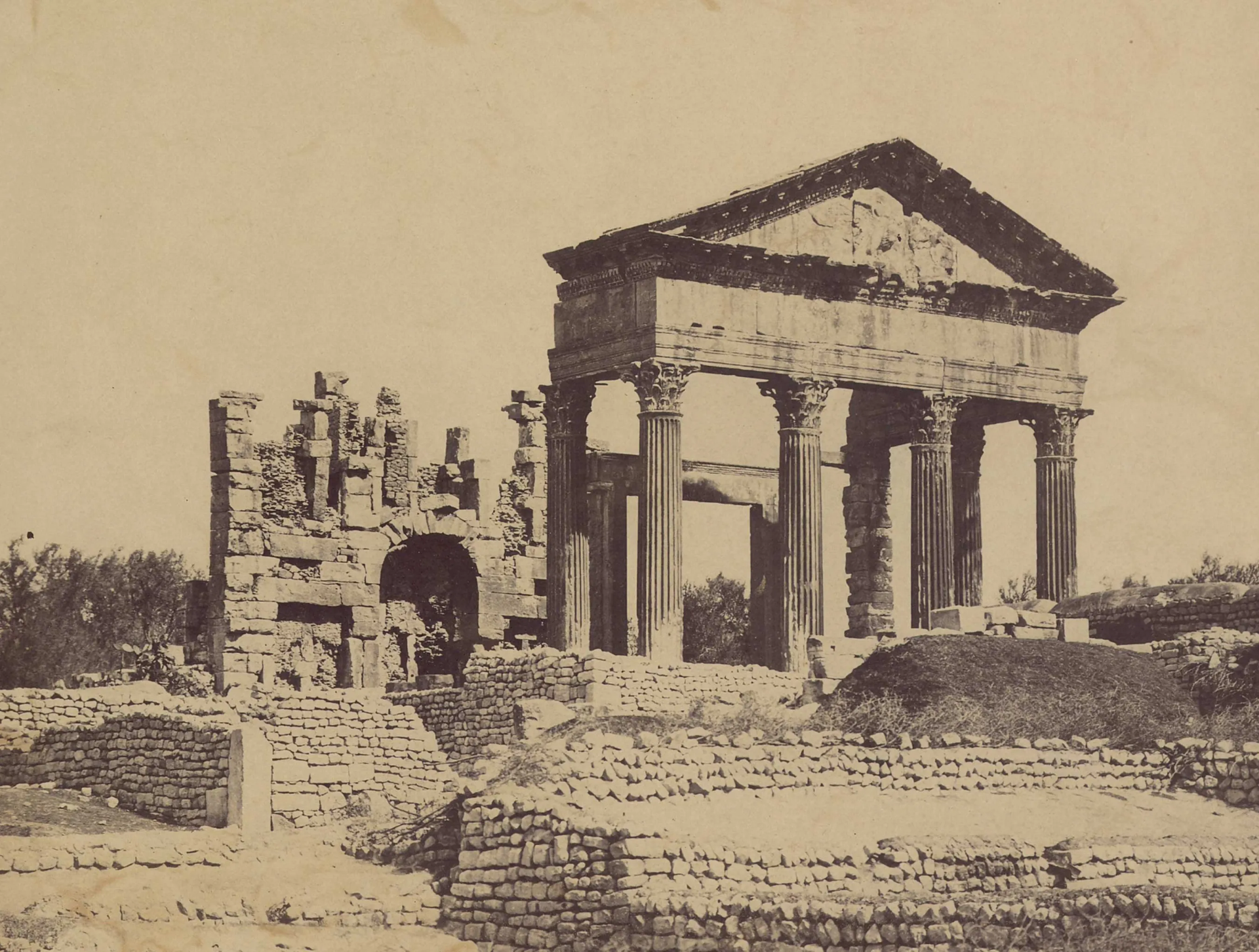
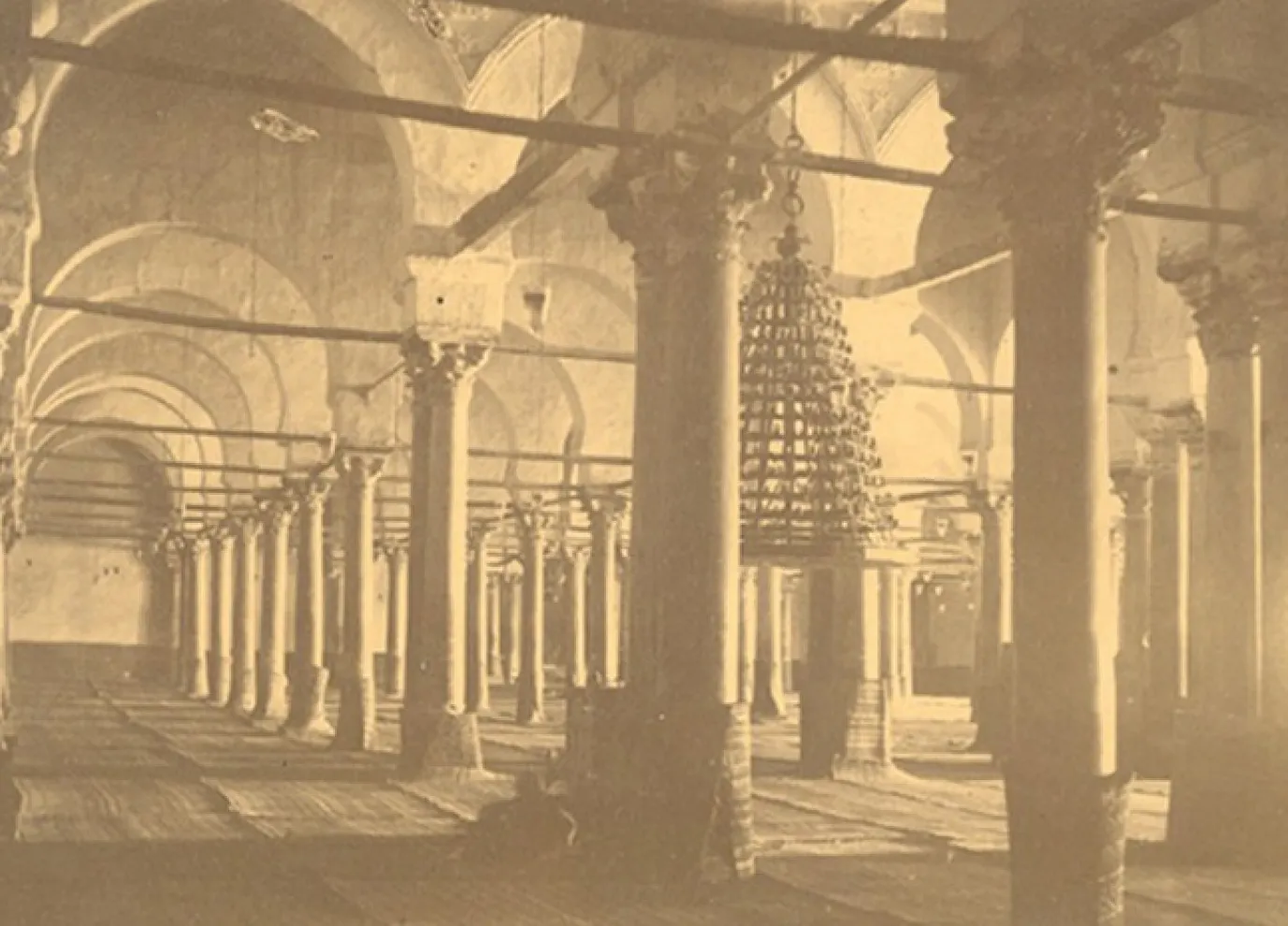
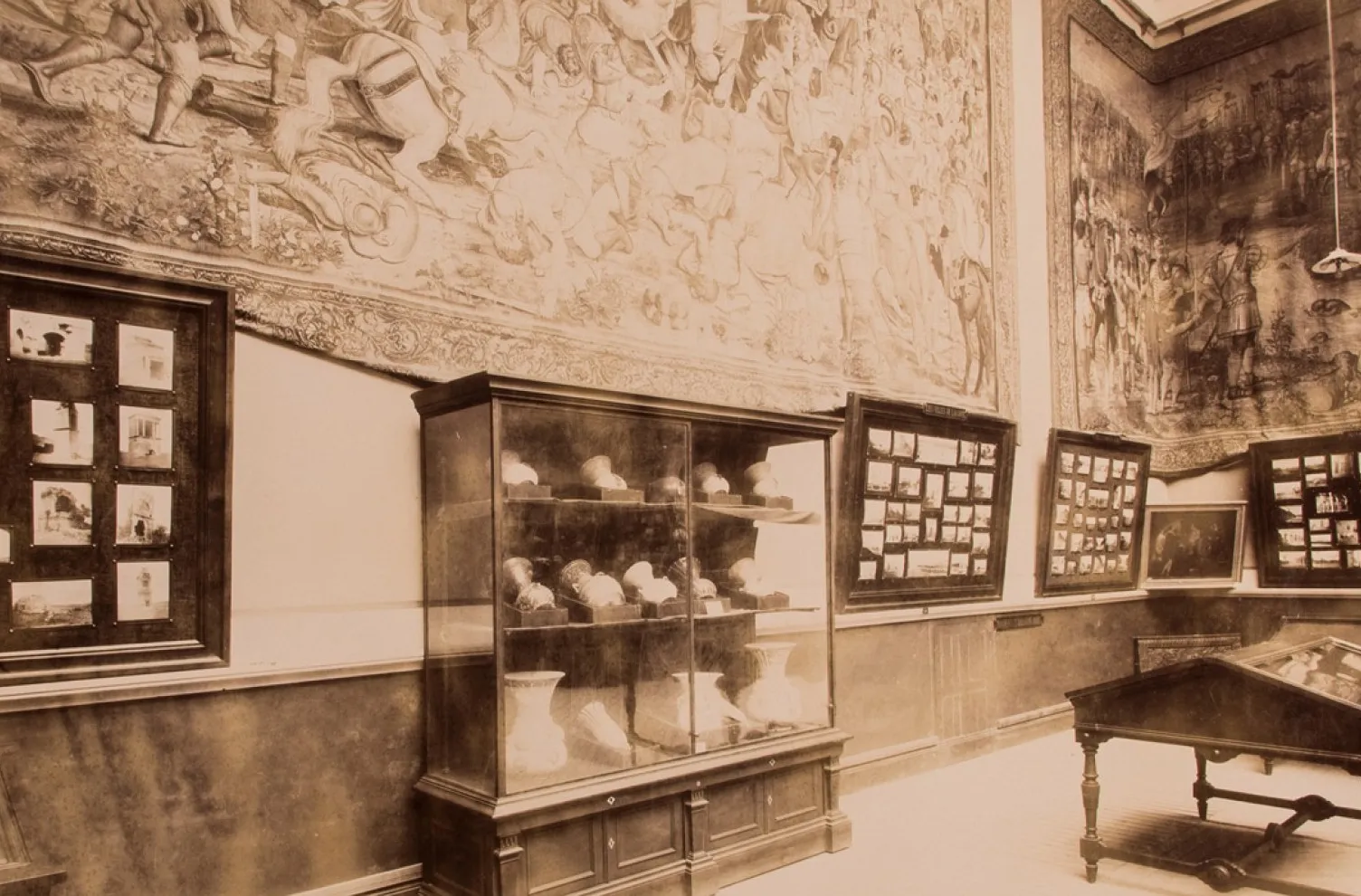
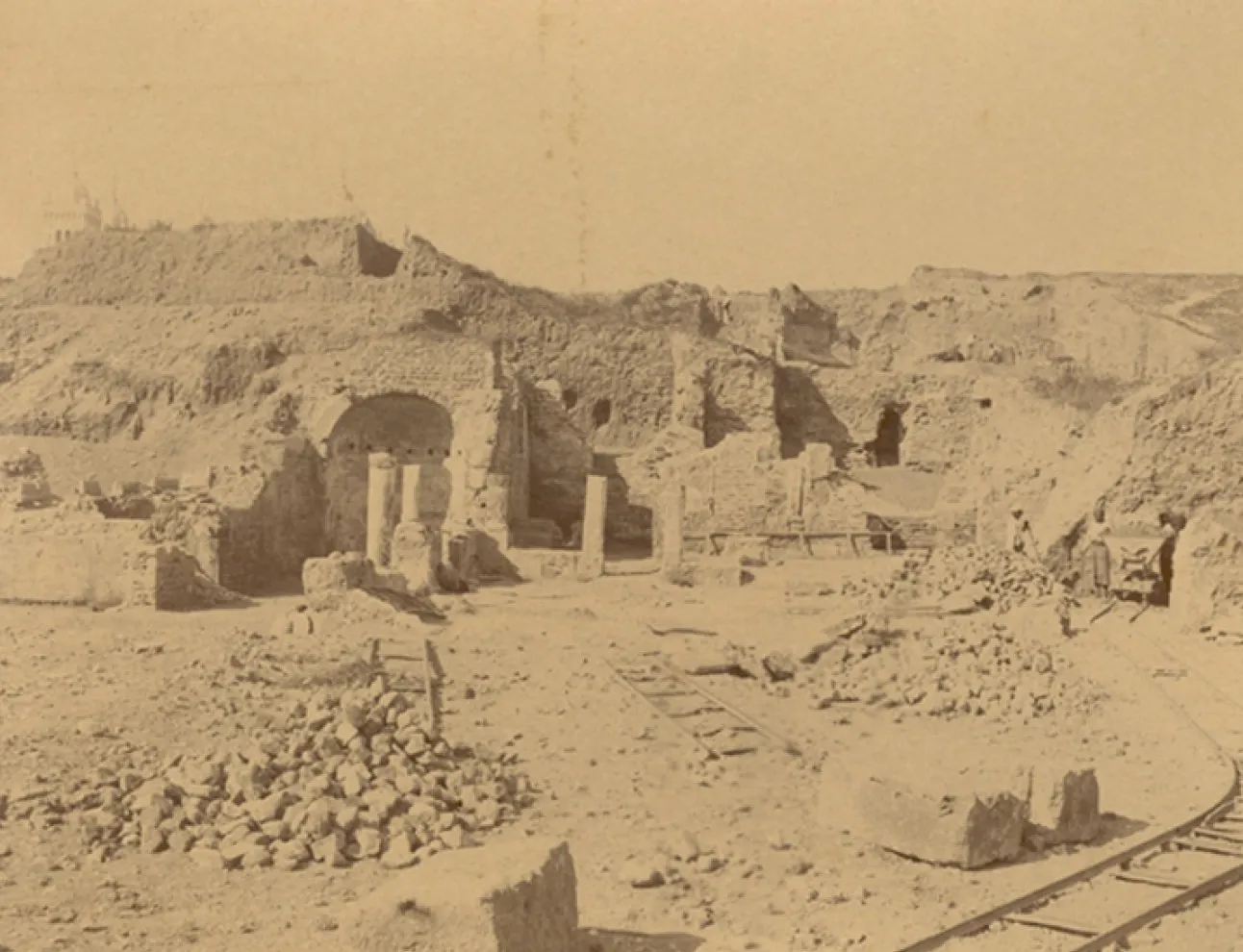
The museum houses an impressive collection of Roman and Byzantine artifacts discovered in Korba and its surroundings, the ancient Curubis. You will be able to admire mosaics, ceramics, inscriptions, and sculptures that reveal the rich history of this coastal city and its heritage. It is a fascinating window into Tunisia's past.
To avoid Tunisia's intense summer heat and any crowds, the spring months (April-May) and autumn (September-October) are ideal. As for the time of day, the early morning hours are usually quieter.
Although many historic sites in Tunisia can present challenges, the Korba Archaeological Museum is relatively modern and likely has certain facilities. We recommend contacting the museum directly to confirm specific accessibility details and whether they have suitable ramps or elevators for your visit.
Of course! Korba is a charming coastal town. You can stroll along the beach, visit the local medina, or explore the remains of the ancient Roman city of Curubis. In addition, Cap Bon offers stunning landscapes and other archaeological gems such as Kerkouane, if you have time for a longer trip.
We advise wearing comfortable shoes, especially if you plan to walk around the area. Do not forget your camera (check whether non-flash photography is allowed) and perhaps a little water. If you are interested in history, a guide or audio guide like those offered by iAudioguía could greatly enrich your experience.
¿Prefieres escuchar en español?
🇪🇸 Escucha la audioguía de the Korba Archaeological Museum en español