A fascinating journey through the Islamic history of Ifriqiya, revealing the treasures of the glorious Aghlabid dynasty.
The Museum of Islamic Art in Raqqada is currently closed to the public for renovations. We recommend checking directly with the local tourism authorities in Kairouan or on the museum's official page (if available) for the latest information about its reopening and final opening hours. There is currently no direct official website for the museum. It is always a good idea to contact the Tunisian National Tourist Office for updates: [email protected].
Since the museum is currently closed for renovations, there is no applicable admission fee. Once it reopens, it is very likely that a symbolic fee will be charged for the maintenance and conservation of the museum, as is common in most national museums in Tunisia. We suggest verifying this information at the time of reopening or contacting local tourism authorities.
Normally, for a museum of this kind, it is recommended to allow between 1.5 and 2 hours for an unhurried visit that lets you properly appreciate the collections. This would include time to read the descriptions and enjoy the atmosphere. However, as it is closed for renovations, this estimate is only a future guideline.
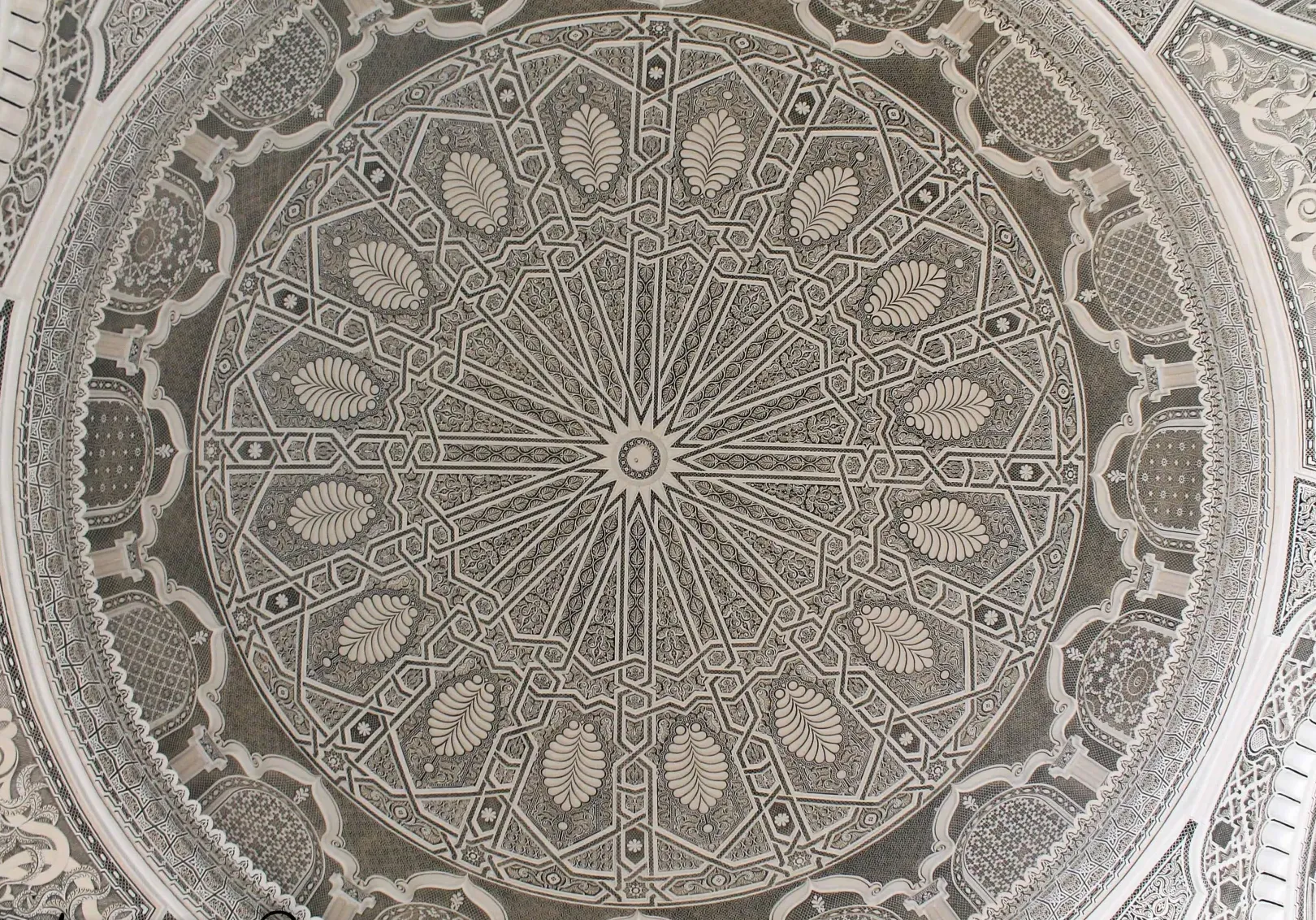
The Raqqada Museum is of vital importance because it houses one of Tunisia's largest collections of Islamic art, including treasures from the Aghlabid period, calligraphy, manuscripts, ceramics, and gold and silver coins. Raqqada was the Aghlabid capital in the 9th century, and the museum serves as the guardian of this rich historical legacy, essential for understanding Islamic art and civilization in North Africa. You can find more information about the history of Kairouan on the UNESCO page.
Considering Kairouan's climate, the best time of year to visit the region (and therefore the museum when it is open) is during spring (March-May) or autumn (September-November), when temperatures are more pleasant. As for the time of day, if it were open, it is usually recommended to go early in the morning to avoid crowds and the midday heat.
Given the age of some structures and the fact that the museum is undergoing renovation, we cannot confirm full accessibility for people with reduced mobility. It would be essential to contact the museum directly once it reopens to obtain precise information about ramps, elevators, or any other adapted facilities. More modern museums in Tunisia usually incorporate some form of accessibility, but it is best to check in advance.
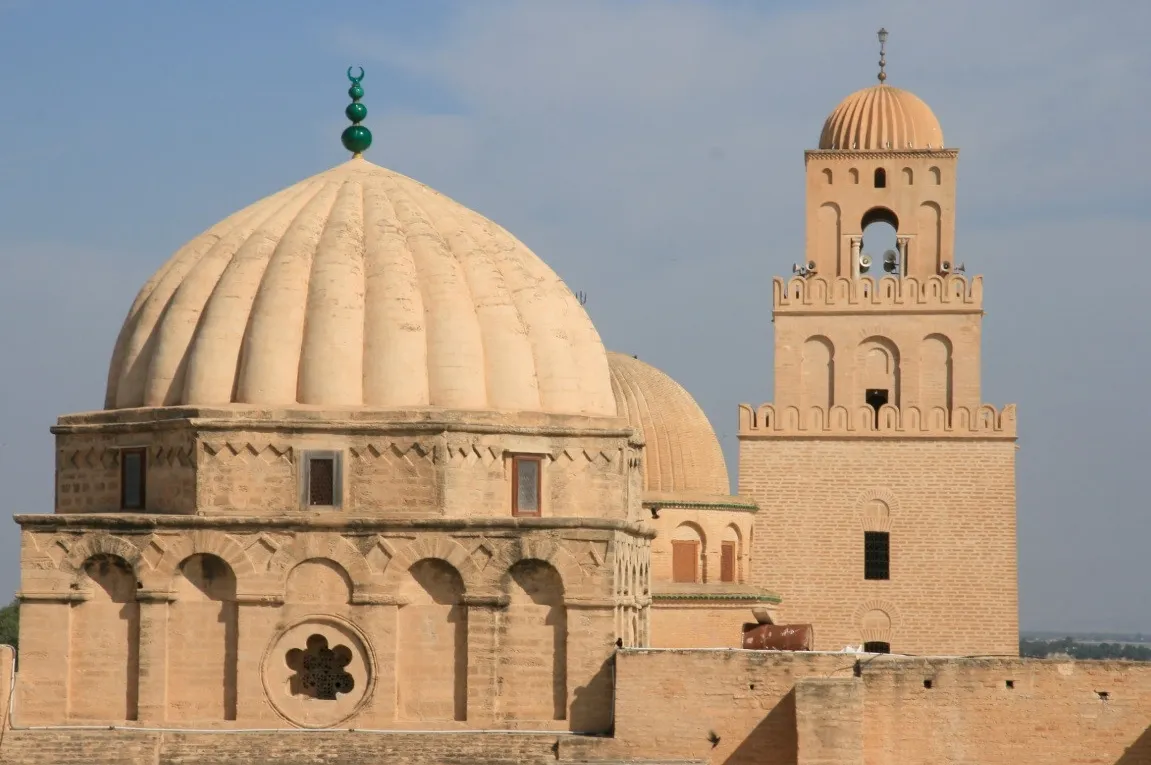
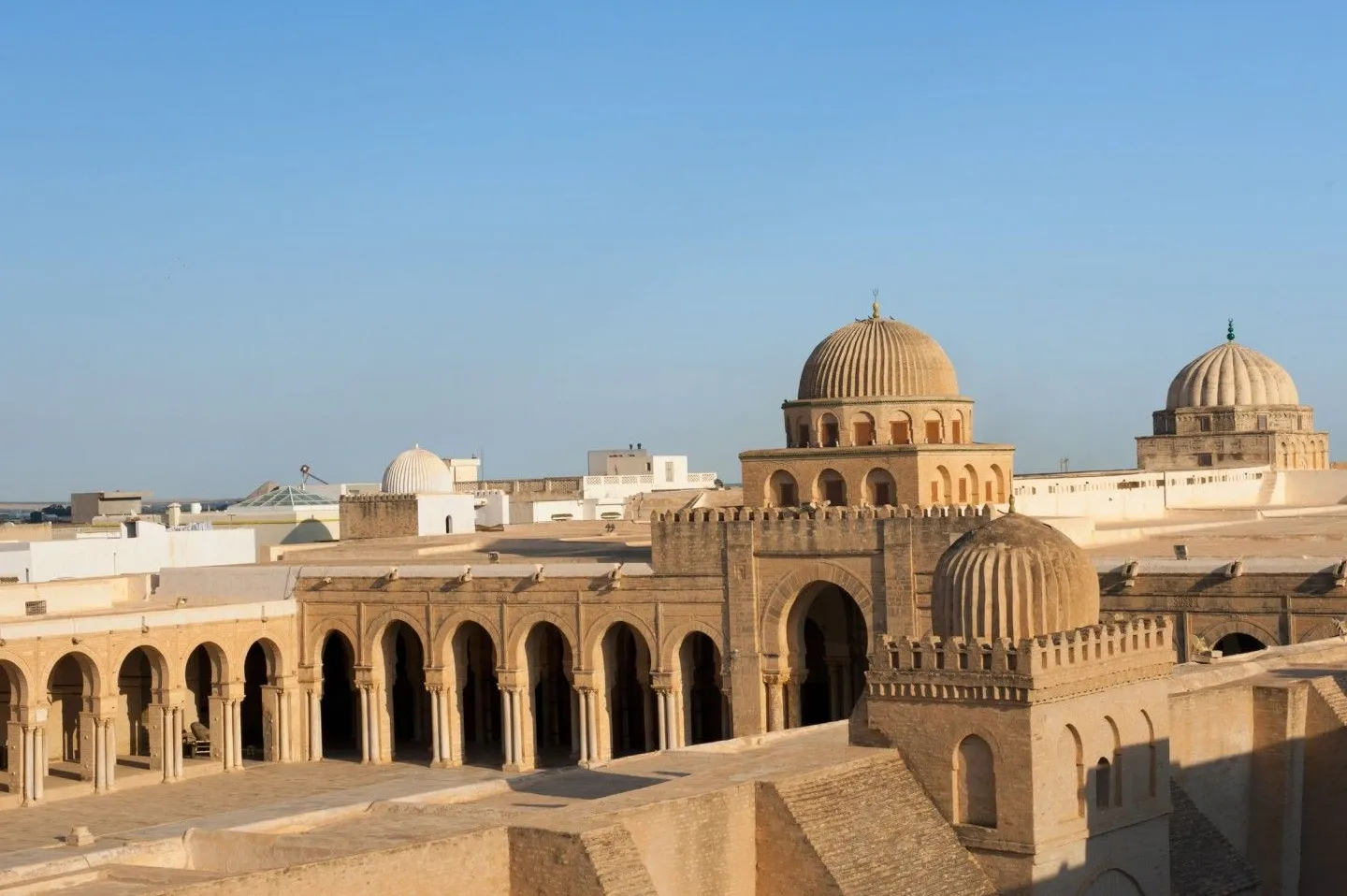
Kairouan is a city with an exceptionally rich heritage. You can visit the Great Mosque of Uqba, one of the most important Islamic monuments in the Maghreb, the Mausoleum of Sidi Sahab (the Barber's Mosque), and its vibrant souks, where you can immerse yourself in local culture. The Medina of Kairouan is also a UNESCO World Heritage Site. To plan your itinerary, you can consult travel guides such as Lonely Planet on Kairouan.
When the museum reopens, I suggest considering hiring a local guide if you want to delve deeper into the history of the pieces, as the information on the panels may be limited depending on your language. Wear comfortable shoes, as there may be a lot of walking, and if you plan to visit other historic sites in Kairouan, make sure to dress modestly to respect local customs. Do not forget to bring water, especially during the hot months.
¿Prefieres escuchar en español?
🇪🇸 Escucha la audioguía de the Raqqada Museum en español