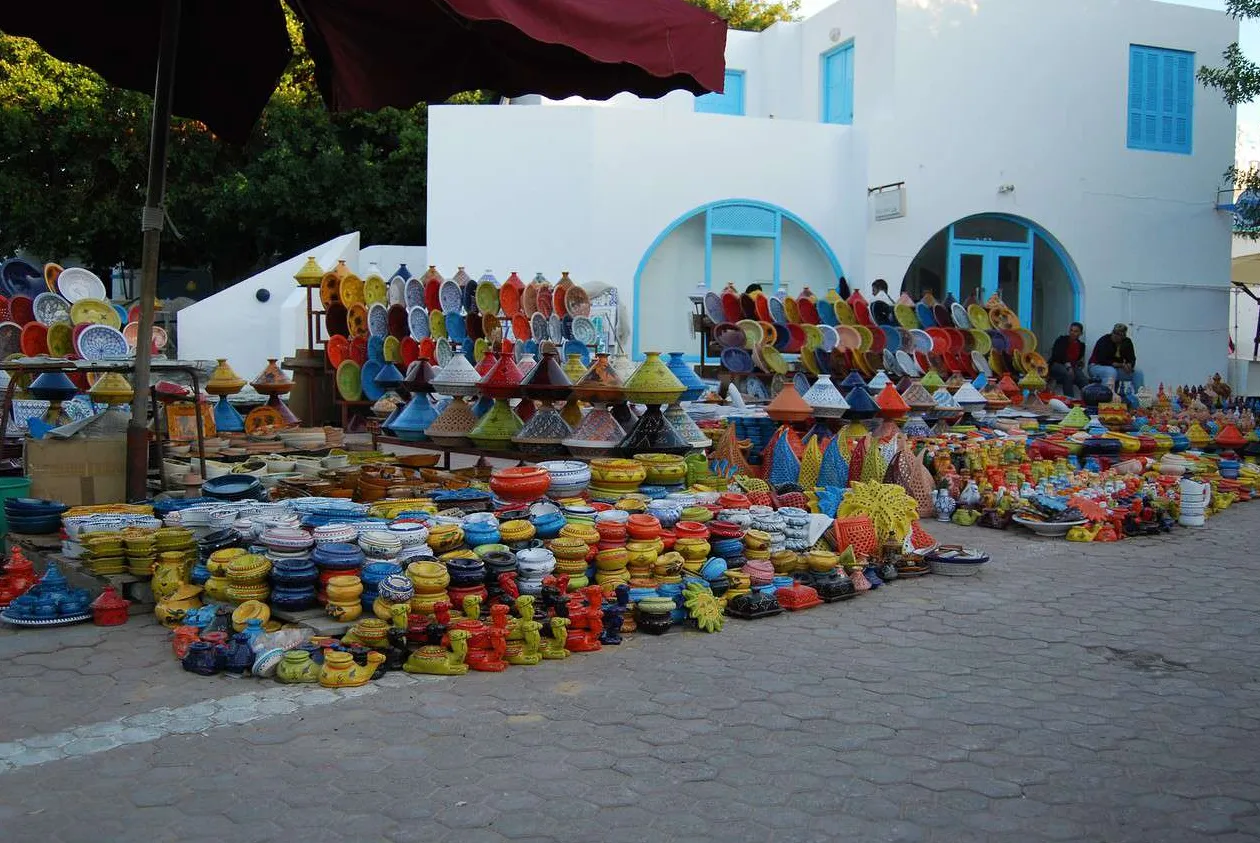
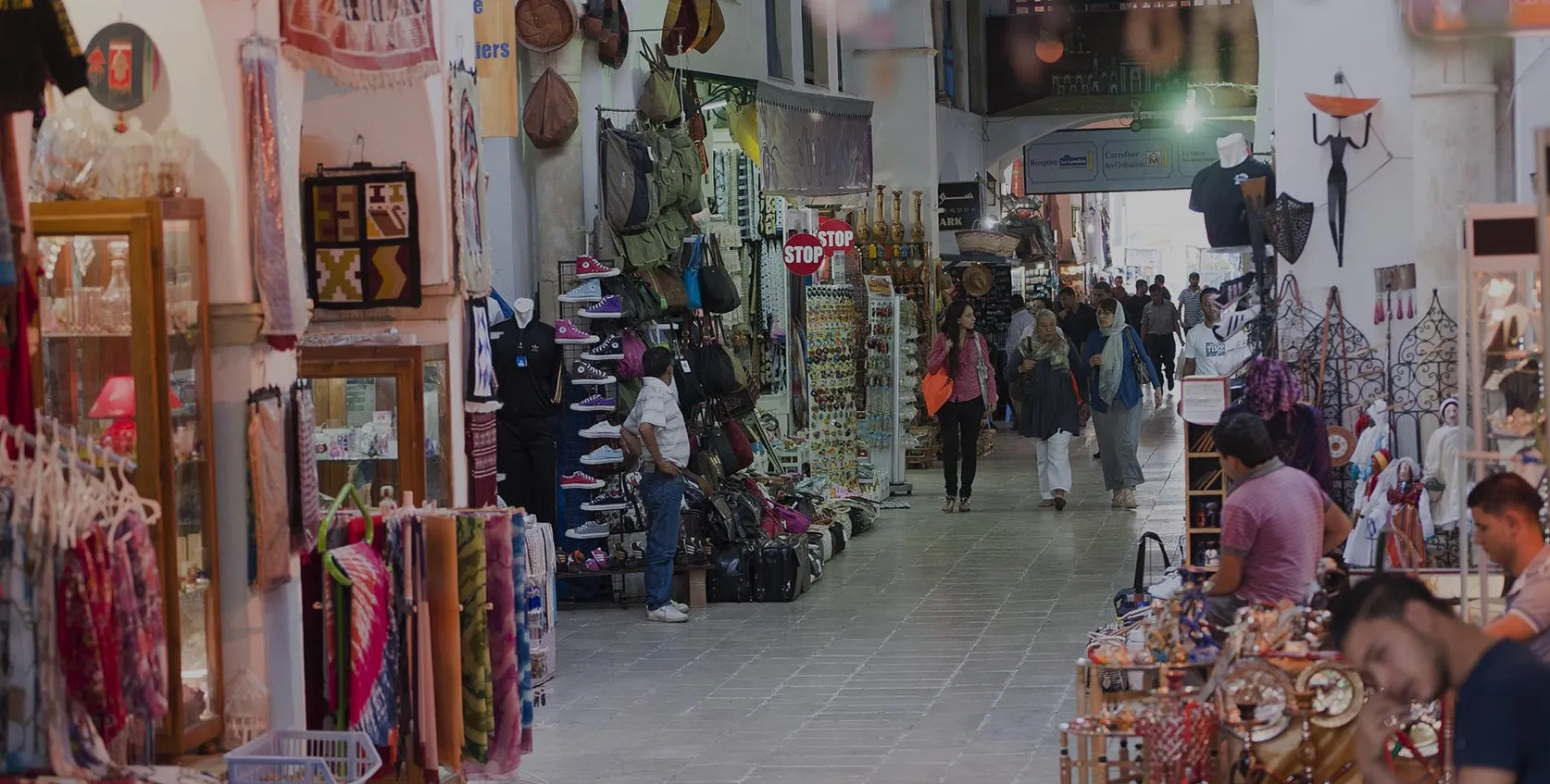
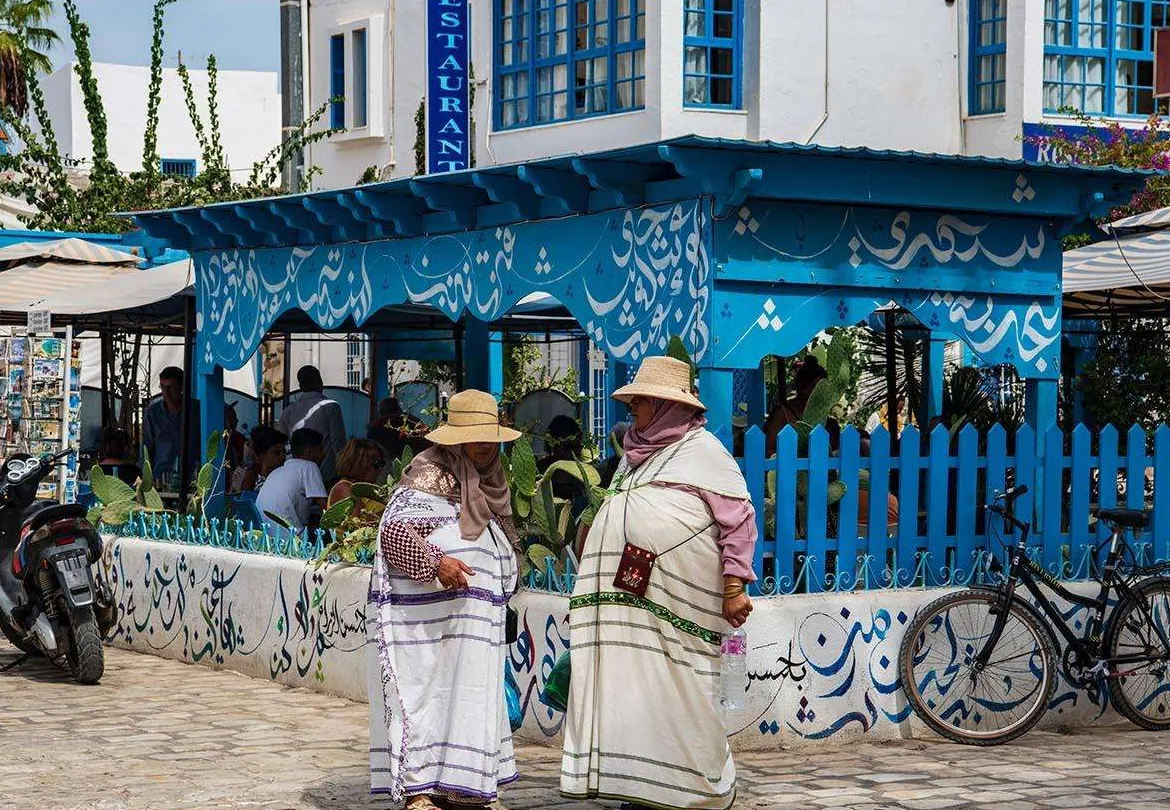
¿Sabías que en este laberinto de callejones un puñado de manos bereberes ha forjado plata para caravanas que cruzaron el desierto durante siglos?
They are generally open from Monday to Saturday, 9:00 a.m. to 6:00 p.m., but hours vary by workshop. We recommend confirming with the Tunisian Tourism Office (+216 75 650 315) before your visit.
No, admission is free. You only pay if you buy handicrafts such as pottery, textiles, or jewelry. Friendly bargaining is customary and part of the experience!
Set aside between 1.5 and 3 hours if you want to see workshops in action, chat with artisans, and shop. Time flies amid so much creativity!
They are guardians of ancestral techniques: Berber pottery, wool weaving, and filigree metalwork. Many workshops are family-run and have passed down their trades for centuries.
Avoid July and August because of the intense heat. Spring (March-May) and autumn (September-November) are ideal. Go in the morning (9:00 a.m.-12:00 p.m.) when the artisans are most active.
The streets of the souk are narrow and have uneven paving. Some workshops have steps. We recommend contacting the Djerba Access Project in advance for adapted routes.
Less than 10 minutes away you have Ghazi Mustapha Fort (sea views), the Djerba Heritage Museum, and the Fish Market square. The famous El Ghriba Synagogue is a 25-minute drive away.
1) Bring cash (few workshops accept cards) 2) Ask permission before taking photos 3) Look for workshops with the "Artisanat Qualité" label for authentic products. Leave room in your suitcase!
¿Prefieres escuchar en español?
🇪🇸 Escucha la audioguía de Artisan Community of Houmt Souk en español