The best-kept secret of Dougga Subscribe
IAudioGuia iaudioguia
Audio Guides of Dougga

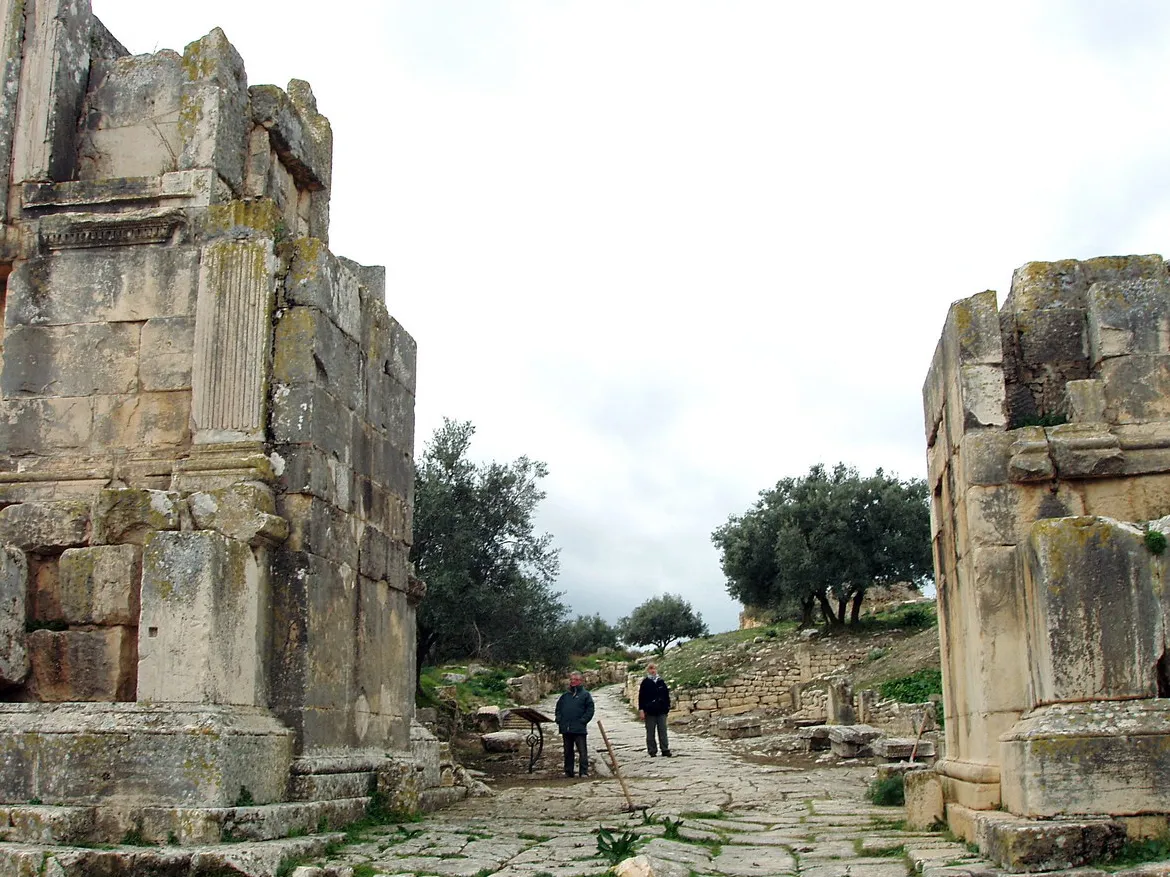
Audio Guide of Arch of Alexander Severus

An imposing Roman arch that commemorates imperial power and generosity in the ancient city of Thugga.

✓ What guidebooks don't tell you
✓ Secrets other tourists miss
✓ Listen while you explore
Discover everything
00:00
00:00
Rate this audio guide

📖 Audio Guide Chapters

6 chapters

1. Introduction and History

🔒 Premium Content

Subscribe to access all chapters of this audio guide.

2. Architecture and Design

🔒 Premium Content

Subscribe to access all chapters of this audio guide.

3. Art and Decoration

🔒 Premium Content

Subscribe to access all chapters of this audio guide.

4. Historical Figures

🔒 Premium Content

Subscribe to access all chapters of this audio guide.

5. Curiosities and Legends

🔒 Premium Content

Subscribe to access all chapters of this audio guide.

6. Cultural Importance and Legacy

🔒 Premium Content

Subscribe to access all chapters of this audio guide.

❓ Frequently Asked Questions

What are the opening hours and how can I get to the Arch of Alexander Severus in Dougga?

The archaeological site of Dougga, which includes the Arch of Alexander Severus, usually opens from 8:00 to 17:30 in winter and from 8:00 to 19:00 in summer. The most convenient option is to arrive by car from Tunis, a journey of about 1 hour and 45 minutes. Check the exact hours on the website of Tunisia's National Heritage Institute (INP): INP Tunisia.

How much does admission cost to visit the Arch of Alexander Severus and the rest of Dougga?

Admission to the archaeological site of Dougga costs around 10 Tunisian dinars per person. There is no separate ticket just for the arch, as it is part of the archaeological complex. This price may vary, so it is always a good idea to confirm it on site or through official sources before your visit.

How much time should I allow to explore the Arch of Alexander Severus and the site of Dougga in general?

To fully enjoy the Arch of Alexander Severus and explore the vast archaeological site of Dougga, I recommend allowing at least 3 to 4 hours. Dougga is a very well-preserved Roman city, so there is much more to see beyond the arch, such as the theater, the Capitol, and the baths.

What is the historical significance of the Arch of Alexander Severus in Dougga?

The Arch of Alexander Severus, erected in AD 222, commemorates the accession to the throne of the Roman emperor of the same name, who came from the province of Africa. It is an impressive example of Roman architecture in North Africa and symbolizes the prosperity and importance of Dougga during the Roman Empire.

What is the best time of year or time of day to visit the Arch of Alexander Severus?

The best time to visit Dougga and the arch is during spring (March to May) or autumn (September to November) to avoid the extreme heat of the Tunisian summer. As for the time of day, I suggest going early in the morning to avoid crowds and enjoy softer light for photography.

Is the Arch of Alexander Severus accessible for people with reduced mobility?

Despite its grandeur, the archaeological site of Dougga, including the area around the Arch of Alexander Severus, has uneven terrain and changes in elevation typical of an ancient city. This can make access difficult for people with reduced mobility or wheelchair users. Caution is recommended.

What other attractions or places of interest can I visit near the Arch of Alexander Severus in Dougga?

Once in Dougga, do not miss the spectacular Roman Theater, the imposing Capitol, the Baths of Licinius, and the Temple of Juno Caelestis. Near Dougga, you could also consider visiting Thugga, modern Dougga El-Khadra, or exploring the surrounding agricultural region. You may also consider a visit to El Kef, a historic city about two hours away.

Are there any practical tips I should know to make the most of my visit to the Arch of Alexander Severus and Dougga?

For the best visit, wear comfortable shoes, bring sun protection such as a hat, sunglasses, and sunscreen, and carry enough water, especially if you are visiting in warmer months. Do not forget a camera to capture the beauty of this World Heritage Site. Hiring a local guide is a good idea if you want to explore the history in greater depth. You can find more information in specialized travel guides to Tunisia.

¿Prefieres escuchar en español?

🇪🇸 Escucha la audioguía de Arch of Alexander Severus en español