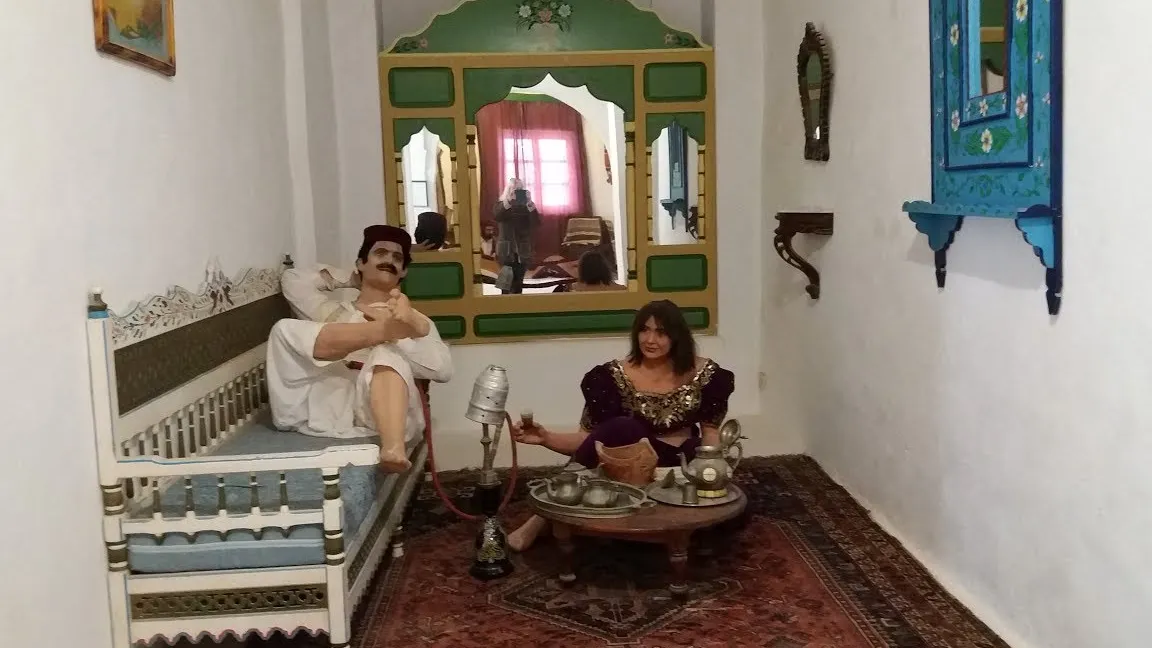
A fascinating journey to the heart of Tunisian tradition and pottery, on the historic island of Djerba.
The Guellala Museum usually opens its doors every day from 9:00 to 17:00, though I recommend checking the exact hours on its website or by calling directly, as they may vary by season. To get there, the most convenient option is to take a taxi from Houmt Souk or Midoun, the main towns on Djerba. You could also consider renting a car for greater freedom. It's always a good idea to check TripAdvisor to read up-to-date reviews on how to get there.
Admission to the Guellala Museum costs approximately 5 Tunisian dinars for adults. Children usually get a reduced rate or even free admission, but this can vary. There aren't usually specific discounts for students or seniors, but you can always ask at the ticket office. I'd suggest carrying cash in the local currency just in case.
To get a good overview of the Guellala Museum and enjoy its exhibits, I'd recommend planning between 1 and 2 hours. The museum is a manageable size and its displays are well organized, letting you explore at a relaxed pace without rushing. If you stop to read all the information panels and admire the details, it could take a little longer.
The Guellala Museum is of great cultural importance, as it is dedicated to preserving and showcasing the traditions and heritage of Djerba, especially Berber culture. It focuses on the everyday life of the Djerbians, traditional crafts such as pottery (Guellala is famous for it), and the island's ancestral customs. Visiting it is a fantastic way to understand the rich history and way of life of the local community.
The best time of year to visit the Guellala Museum is during spring (April–May) or autumn (September–October), when temperatures are more pleasant and the weather is ideal for exploring. If you have to go in summer, I recommend going first thing in the morning, right when they open, or late in the afternoon. This way you'll avoid the hottest hours of the day and possibly the crowds of tourist groups.
In general, accessibility for people with reduced mobility at the Guellala Museum may be limited, as many traditional buildings in the region are not always adapted. Some areas may have steps or uneven surfaces. I advise you to contact the museum directly before your visit to confirm their access facilities and whether they have specific ramps or elevators. The museum's phone number isn't easily accessible online, but you can ask at your hotel or at a local tourist information center in Djerba.
Guellala is a village famous for its pottery, so very close to the museum you'll find numerous ceramics workshops where you can see how the pieces are made and even buy some. You can also explore the village of Guellala itself to soak up its local atmosphere. A bit farther away, but reachable by car or taxi, are the El Ghriba Synagogue, one of the oldest places of pilgrimage in Judaism, and the village of Erriadh with its Djerbahood murals, an incredible open-air street art gallery. The whole island of Djerba is charming; you just have to explore.
Of course! I suggest wearing comfortable shoes for walking, especially if you plan to explore the surroundings of Guellala. Don't forget a bottle of water, particularly if you visit in the hot months. If you're interested in pottery, set aside some time to visit one of the workshops near the museum. Also, get ready to immerse yourself in the local culture, and if you know a few basic phrases in Arabic or French, it can be useful for interacting with the artisans and locals.
¿Prefieres escuchar en español?
🇪🇸 Escucha la audioguía de Guellala Museum en español