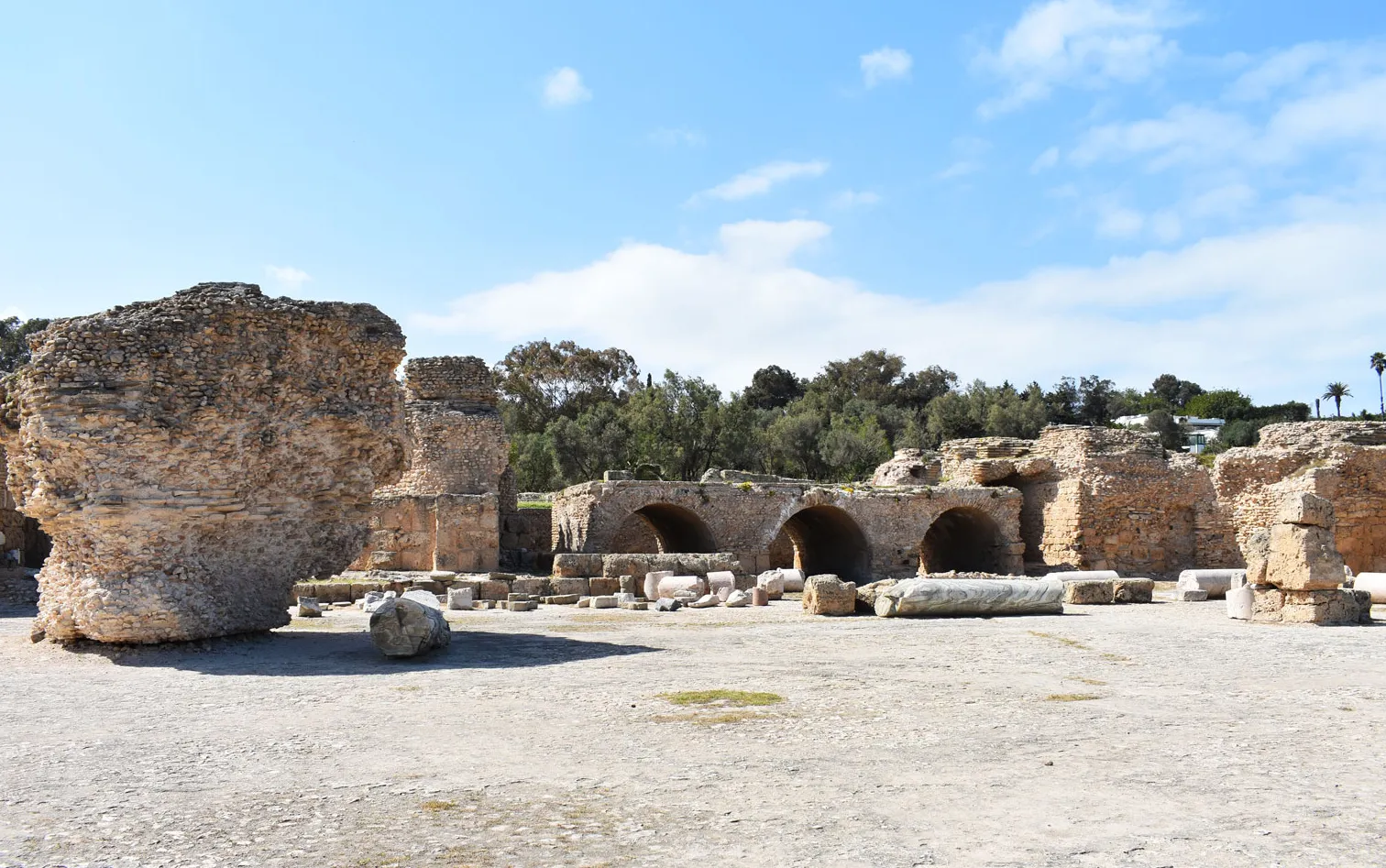
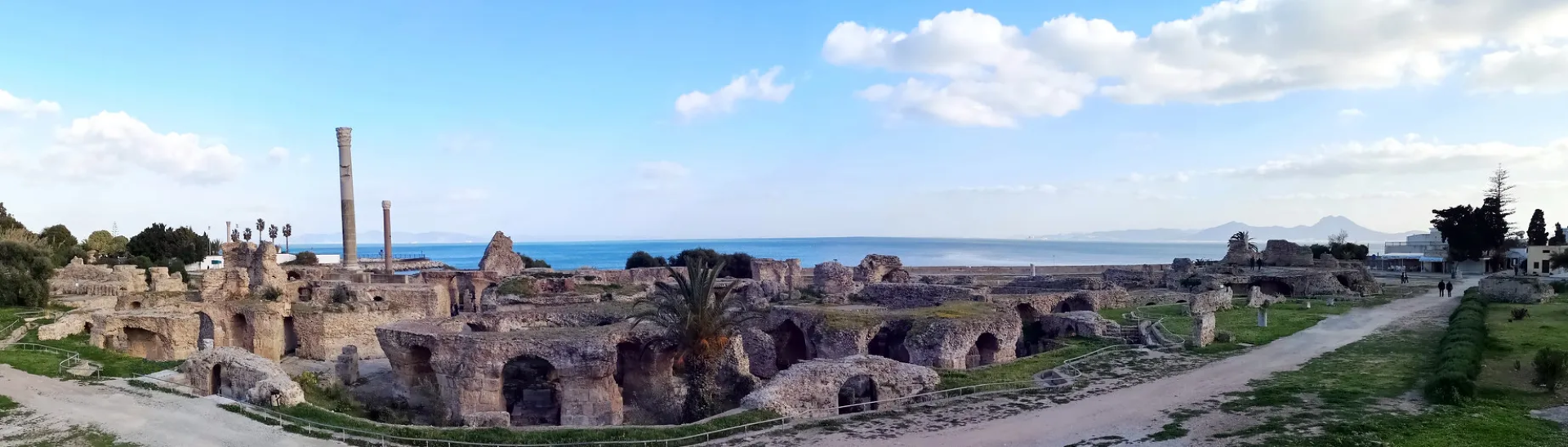
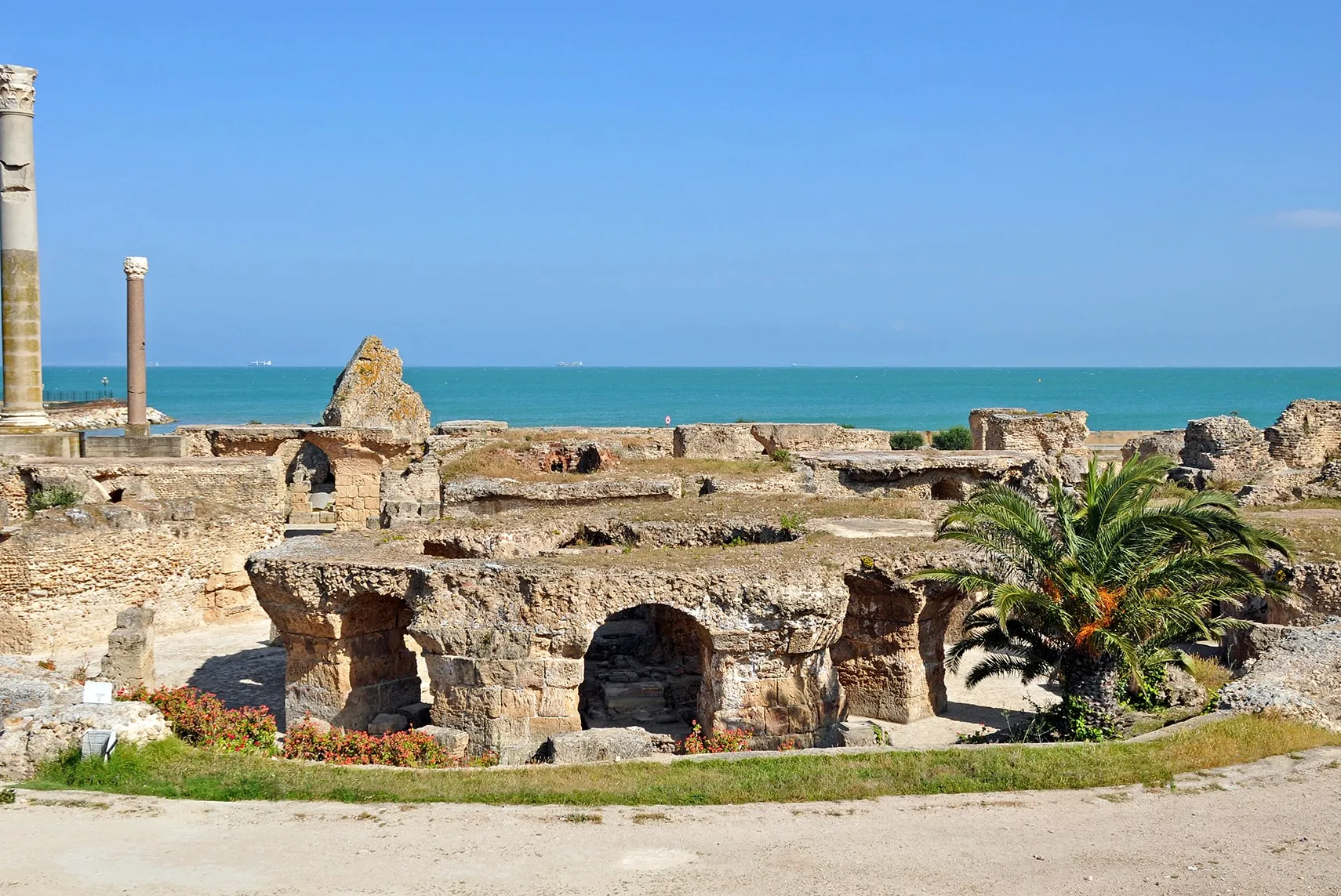
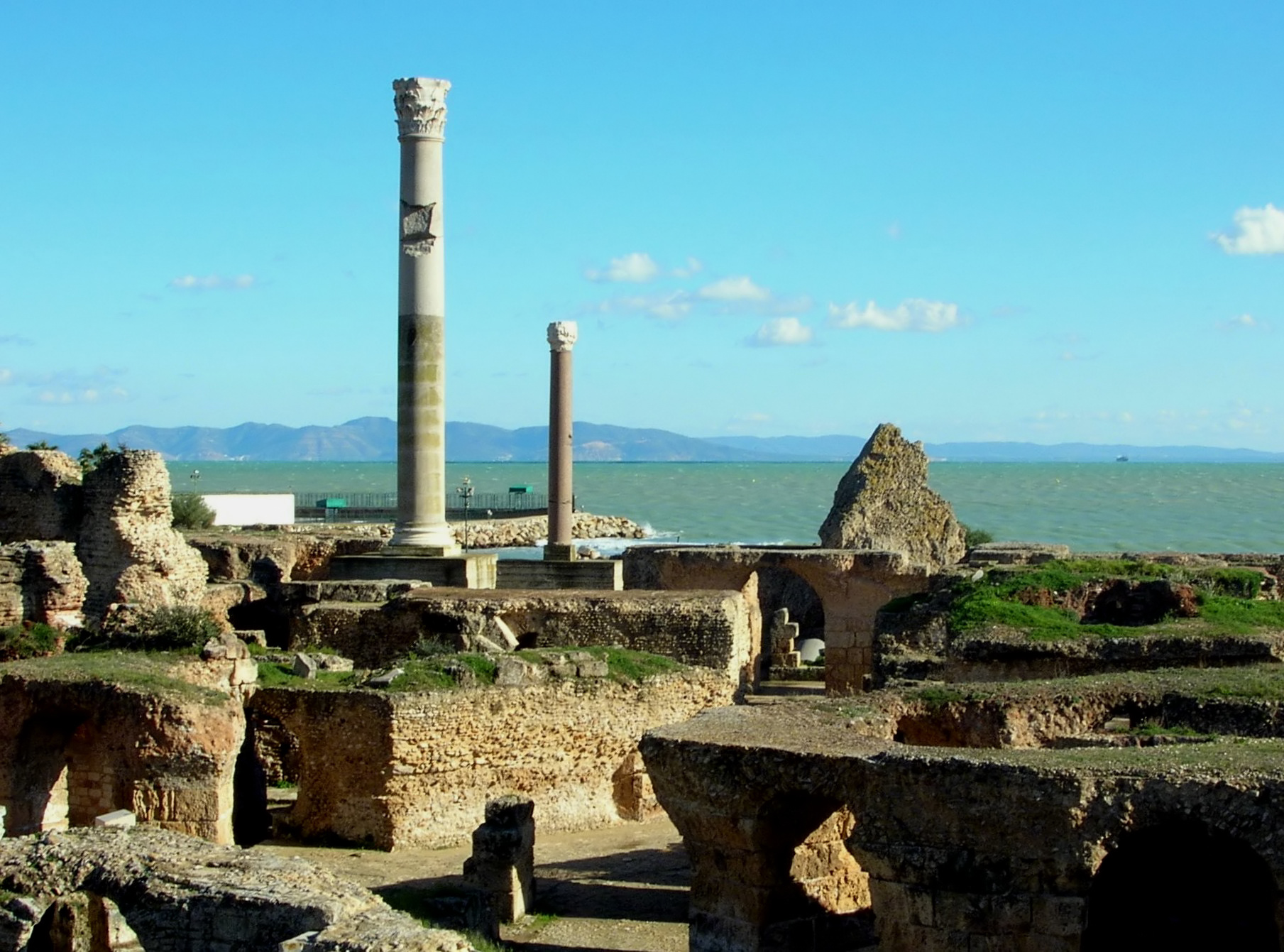
An impressive complex of Roman baths that reveals the grandeur and imperial lifestyle of ancient Carthage.
The Antonine Baths usually open from 8:00 AM to 5:30 PM in winter and from 8:00 AM to 7:00 PM in summer, although these hours may vary. They are very easy to reach, as they are conveniently located in Carthage and accessible by taxi or public transport from Tunis. You can find more details on how to get there and their exact opening hours on the website of Tunisia's National Heritage Institute.
Yes, entry to the Antonine Baths is paid, as they are part of a well-preserved archaeological site. General admission is usually around 12 Tunisian dinars, which includes access to several archaeological sites in Carthage, making it excellent value for exploring the area. Prices may vary, so I recommend checking with the official ticket office.
To get a good sense of the Antonine Baths, I recommend allowing between 1 and 2 hours. This gives you enough time to walk through the ruins, admire the scale of the construction, and read the available information to understand its history and function, allowing for a calm and reflective visit.
The Antonine Baths are famous for being the largest Roman baths built outside Rome and an impressive testament to Roman engineering and social life. Built under Emperor Antoninus Pius, they demonstrate the sophistication of the empire and its influence in Carthage. Their size and complexity make them a fascinating historical landmark.
The best time to visit is during spring (April-May) or autumn (September-October), when the weather is milder and more pleasant for walking. As for the time of day, I suggest going early in the morning or late in the afternoon to avoid the midday heat and crowds, and you will enjoy better light for photos.
Given the nature of the archaeological site, with uneven ground and steps, accessibility for people with reduced mobility may be limited in certain areas of the Antonine Baths. Some sections may be accessible, but not all. I advise contacting the site directly at +216 71 732 929 before your visit to get more specific information about accessible routes.
Absolutely! Carthage is full of history. Very close to the baths you can visit the Carthage Museum, the ruins of the Roman villas, and the ancient Carthage Amphitheatre. All these sites are relatively close and allow you to immerse yourself even more deeply in the rich history of ancient Carthage, as part of the same archaeological ensemble declared a UNESCO World Heritage Site.
To make the most of your visit, wear comfortable walking shoes, bring a hat and sunscreen, especially in summer, as the sun can be intense. I also recommend bringing water and considering an audio guide or hiring a local guide to explore the history in greater depth. And don't forget your camera—the views are stunning!
¿Prefieres escuchar en español?
🇪🇸 Escucha la audioguía de Antonine Baths en español