
No te vayas sin conocer la historia Suscribete
IAudioGuia iaudioguia
Audio Guides of Hammamet

Audio Guide of Hammamet Fort

¿Sabías que este pequeño fuerte detuvo a piratas legendarios como Dragut? Escucha los secretos que las piedras aún susurran al mar.

✓ What guidebooks don't tell you
✓ Secrets other tourists miss
✓ Listen while you explore
Discover everything
00:00
00:00
Rate this audio guide

📖 Audio Guide Chapters

6 chapters

1. Dragut’s Roar at the Gate

🔒 Premium Content

Subscribe to access all chapters of this audio guide.

2. Stones Hiding Forgotten Bullets

🔒 Premium Content

Subscribe to access all chapters of this audio guide.

3. Betrayed Loves and Furious Beys

🔒 Premium Content

Subscribe to access all chapters of this audio guide.

4. The Clock That Timed Pirate Defeats

🔒 Premium Content

Subscribe to access all chapters of this audio guide.

5. Marks That Scream in Silence

🔒 Premium Content

Subscribe to access all chapters of this audio guide.

6. The Echo That Changes Your Journey

🔒 Premium Content

Subscribe to access all chapters of this audio guide.

❓ Frequently Asked Questions

What are the opening hours of Hammamet Fort and how can I access it?

Hammamet Fort is usually open from Tuesday to Sunday, generally from 9:00 AM to 5:00 PM. To enter, simply go to the fort’s main entrance, located in the Medina of Hammamet. No advance booking is required.

Is there an entrance fee to visit Hammamet Fort, or is it free?

Yes, Hammamet Fort has a small entrance fee. The price is usually around 8 Tunisian dinars per person. Young children may be admitted free of charge or at a reduced rate, so ask at the ticket office when you arrive.

How much time is recommended for visiting Hammamet Fort to enjoy it properly?

To explore Hammamet Fort at a relaxed pace and enjoy its views and corners, we recommend allowing between 1 and 1.5 hours. This gives you enough time to walk along the walls, visit the rooms, and take photos without rushing.

What is the history or significance behind Hammamet Fort? Why is it important?

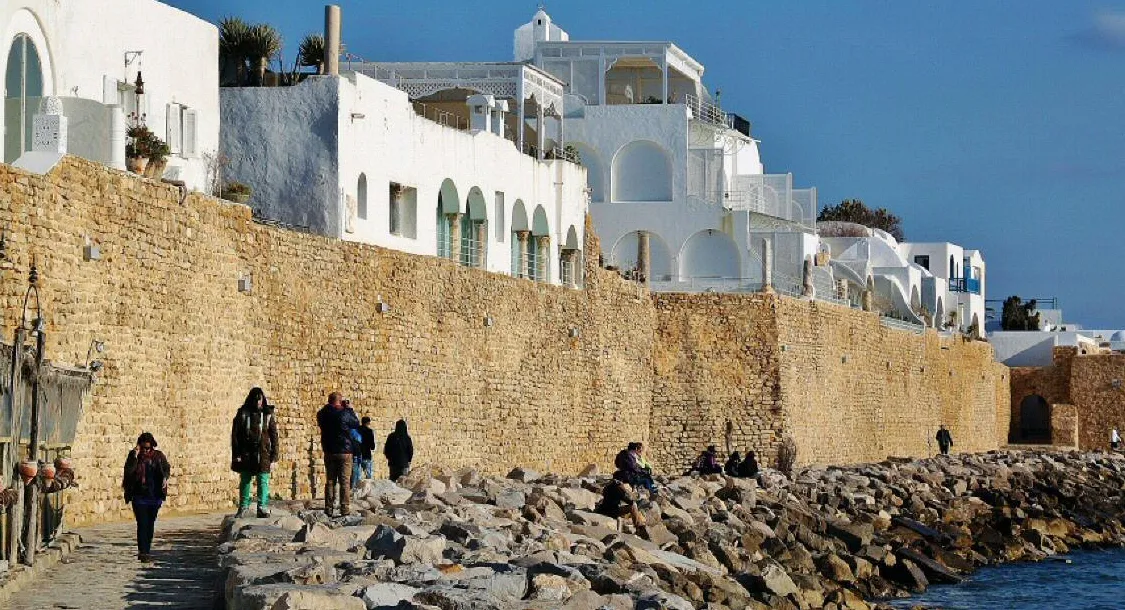
Hammamet Fort, also known as the Kasbah, dates back to the 15th century and was built to defend the city from seaborne attacks. Its importance lies in its historical value as a defensive stronghold and its strategic position, offering a unique insight into the military history of Tunisia.

What is the best time of day or year to visit Hammamet Fort and avoid the crowds?

For a more pleasant experience, we recommend visiting the fort early in the morning (9:00–10:00 AM) or later in the afternoon. As for the best time of year, spring (April–May) and autumn (September–October) offer milder weather and fewer tourists.

Is Hammamet Fort accessible for people with reduced mobility or wheelchair users?

Due to its age and traditional structure with steps and uneven ground, Hammamet Fort can be difficult to access for wheelchair users or visitors with reduced mobility. The ramparts and some interior areas are not fully accessible.

What other attractions or interesting places can I visit near Hammamet Fort?

Near the fort, you can explore the lively Medina of Hammamet with its traditional souks, visit the Dar Khadija Museum to learn about local history, or relax on Hammamet’s beautiful beaches. The Yasmine Hammamet Marina is also a fantastic option for a stroll.

Do you have any practical tips to make the most of my visit to Hammamet Fort?

Of course! Wear comfortable shoes for walking along the ramparts, don’t forget your camera to capture the stunning views, and bring a hat or sun protection if you visit in summer. Consider downloading an audio guide from iaudioguia.com to enrich your experience with historical stories and curiosities as you explore.

¿Prefieres escuchar en español?

🇪🇸 Escucha la audioguía de Hammamet Fort en español