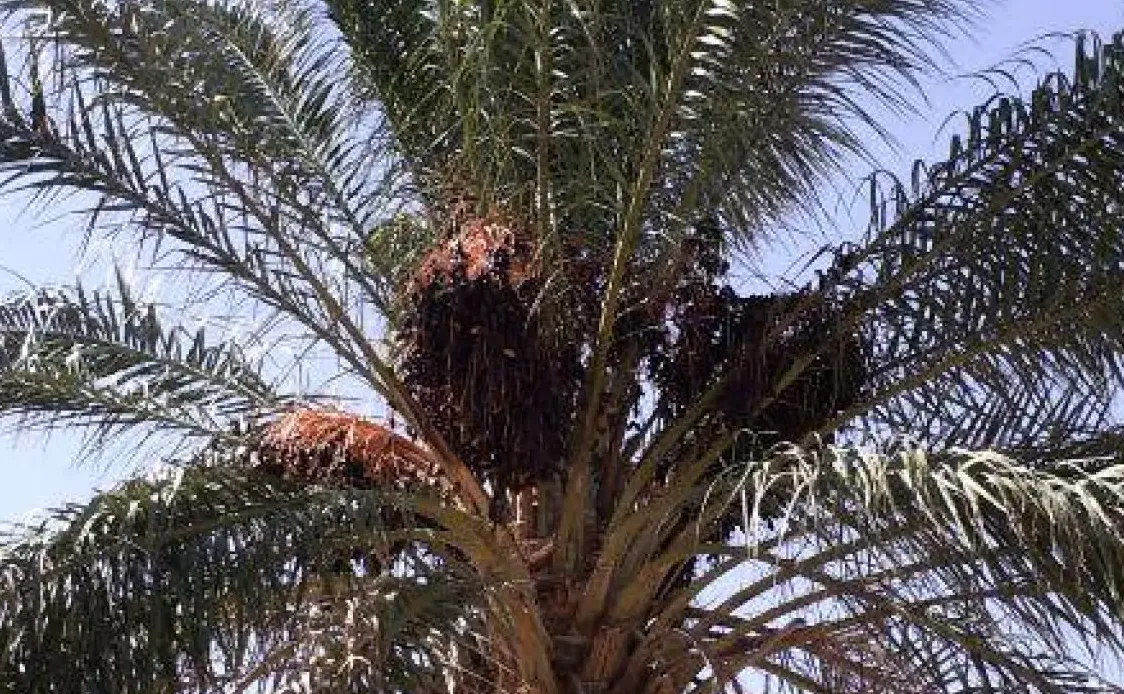
Donde cada palmera esconde una revolución y los dátiles saben a justicia social
As this is an open agricultural and natural area, there are no fixed commercial opening hours, but visiting during daylight hours is strongly recommended. For the best experience and lighting, plan to arrive early in the morning or at sunset.
Access to the common areas of the palm grove is usually free, as it is a community-managed agricultural space. However, the best way to 'pay' for your visit is by buying fresh dates directly from local farmers to support their social economy.
A standard visit to walk among the palms, take photographs, and buy local products usually takes between 1 and 2 hours. It is the perfect amount of time to unwind and soak up the oasis atmosphere without rushing.
Jemna is a symbol of resistance and the success of the social economy in Tunisia, famous for how the local community regained control of its ancestral lands. It is also the cradle of 'Deglet Nour' dates, considered by many to be the best in the world.
The ideal time is during the harvest season, which takes place mainly between October and December. Visiting during these dates allows you to see the oasis at its busiest and taste the product at peak freshness.
The terrain is mostly flat but agricultural, made up of dirt and sandy paths, which can make it difficult for standard wheelchairs to get around. It is recommended to go with a companion or contact local guides if specific assistance is needed.
Jemna is strategically located near Kebili and is a perfect stop before heading to Douz, known as the 'Gateway to the Sahara.' You can see the exact location and plan your route here: View location on Google Maps.
Bring cash (Tunisian dinars), as local vendors do not accept cards, and wear comfortable shoes for walking on dirt paths. Do not forget water and sun protection; even in winter, the desert sun can be intense.
¿Prefieres escuchar en español?
🇪🇸 Escucha la audioguía de Date Palm Colonies of Jemna en español