No te vayas sin conocer la historia Suscribete
IAudioGuia iaudioguia
Audio Guides of Utica

Audio Guide of the Roman Baths of Utica

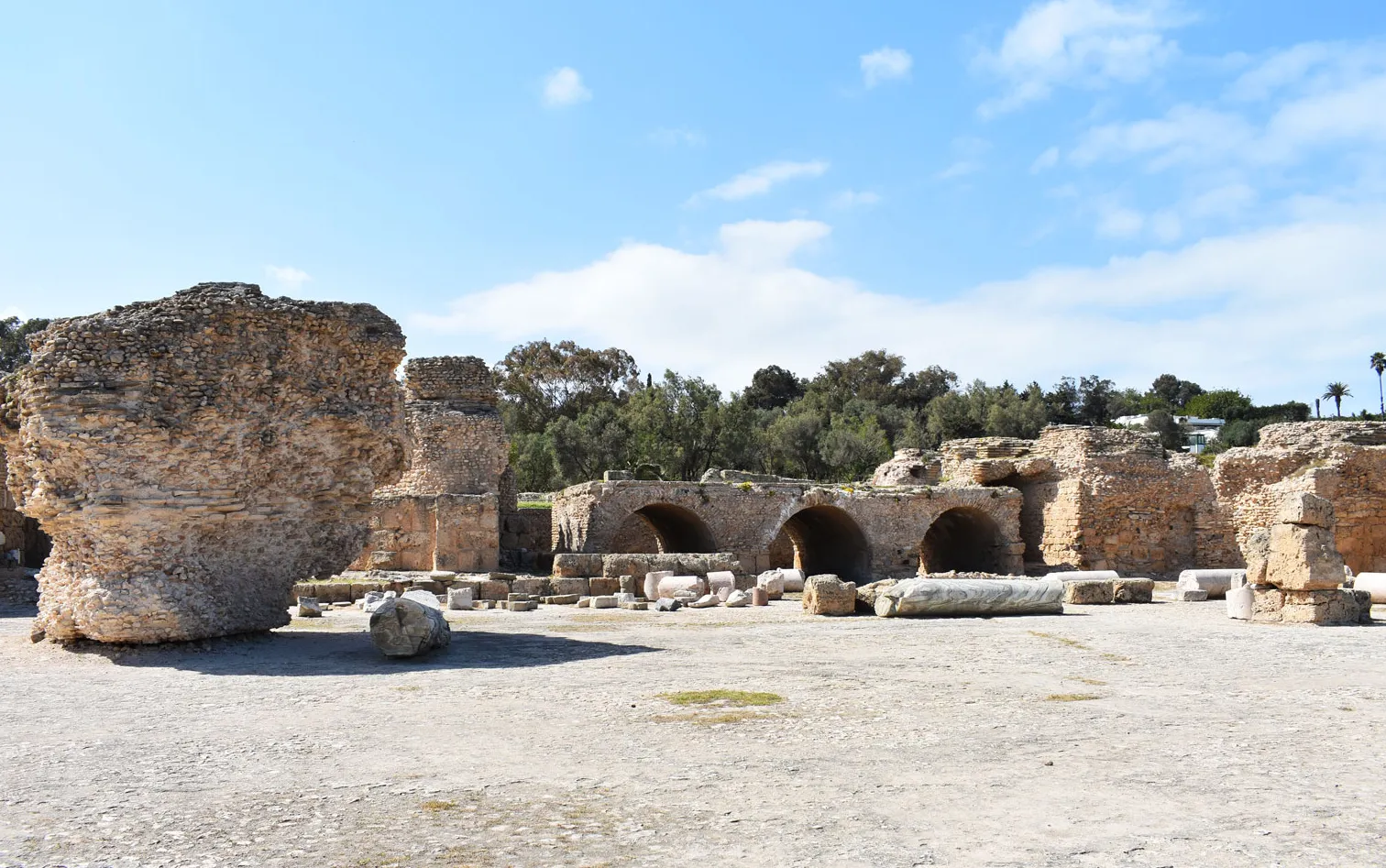
Antiguos baños públicos romanos en las ruinas de Utica, Túnez, que revelan la sofisticación hidráulica y social del Imperio Romano en el norte de África.

✓ What guidebooks don't tell you
✓ Secrets other tourists miss
✓ Listen while you explore
Discover everything
00:00
00:00

📖 Audio Guide Chapters

6 chapters

1. Introduction and History

🔒 Premium Content

Subscribe to access all chapters of this audio guide.

2. Architecture and Design

🔒 Premium Content

Subscribe to access all chapters of this audio guide.

3. Art and Decoration

🔒 Premium Content

Subscribe to access all chapters of this audio guide.

4. Historical Figures

🔒 Premium Content

Subscribe to access all chapters of this audio guide.

5. Curiosities and Legends

🔒 Premium Content

Subscribe to access all chapters of this audio guide.

6. Cultural Importance and Legacy

🔒 Premium Content

Subscribe to access all chapters of this audio guide.

❓ Frequently Asked Questions

What are the opening hours of the Roman Baths of Utica?

The archaeological site is usually open every day, with approximate hours from 8:30 AM to 5:00 PM in winter and until 7:00 PM in summer. We recommend arriving early to make the most of the light and avoid the hottest hours.

How much does admission to the archaeological site cost?

The entrance fee is quite affordable, around 8 Tunisian dinars (approximately €2.50). This ticket usually includes access to both the baths and the small site museum, as well as the rest of the Roman and Punic ruins.

How much time do I need to visit the Baths and the rest of Utica?

For a complete visit that includes the baths, the famous mosaics, and the museum, we recommend setting aside between 1 and 2 hours. It is the ideal amount of time to explore the site at a relaxed pace and listen to your audio guide without rushing.

What historical importance do these baths have?

Utica was the first Phoenician colony in North Africa, founded before Carthage. These baths are a testament to its later splendor as the capital of the Roman province of Africa, standing out for their impressive well-preserved mosaic floors.

What is the best time of year to visit Utica?

Spring (from March to May) and autumn are the best times, as the weather is pleasant for walking outdoors. In summer, temperatures are very high, so it is essential to go early in the morning.

Is the site accessible for people with reduced mobility?

Access is difficult for wheelchairs because of the nature of the terrain: uneven dirt paths and ancient ruins. Although some parts can be seen from the main paths, full mobility within the site is limited.

What other places of interest can I visit nearby?

Utica is strategically located about 30 km from Tunis and near the coastal city of Bizerte. You can combine your visit with a stop at the Bardo Museum or the ruins of Carthage to complete your historical route.

What practical advice would you give for the visit?

Wear comfortable closed shoes for walking among the stones, bring plenty of water, and use sun protection, as there is little shade. To truly understand what you are seeing, it is essential to have a good audio history that explains the context of the ruins.

¿Prefieres escuchar en español?

🇪🇸 Escucha la audioguía de the Roman Baths of Utica en español