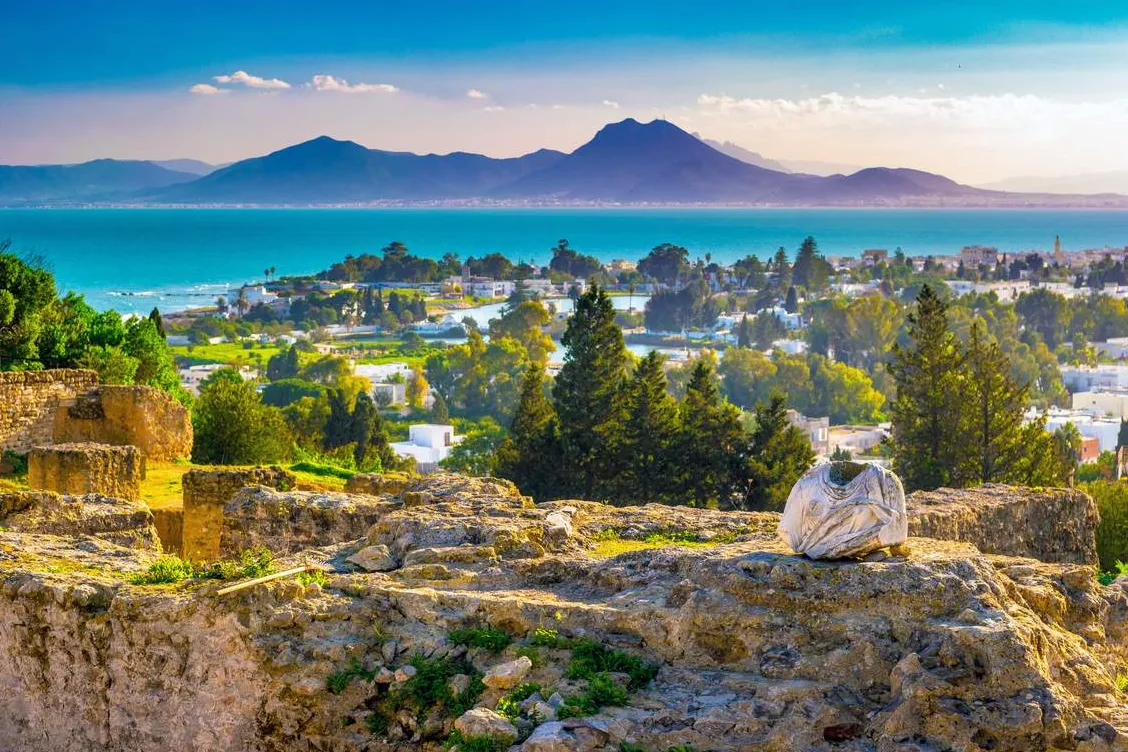
Donde las piedras cuentan cómo una traición cambió la historia del Mediterráneo
Byrsa Hill in Utica, Tunisia, is usually open during daylight hours, generally from 8:00 a.m. to 5:00 p.m., but it is advisable to check the exact local opening times as they may vary by season. To get there, the most common option is a taxi or rental car from Tunis, as Utica is about 30 km to the north. Once in Utica, follow the signs to the archaeological site.
Yes, access to Byrsa Hill and the archaeological site of Utica, like most historic sites in Tunisia, requires an entrance ticket. The price is usually not high (a few Tunisian dinars), and it is often included in a combined ticket if you visit other nearby sites. Online booking options are not usually available for this particular site, so tickets are typically bought at the ticket office.
To get a good impression of Byrsa Hill and explore the archaeological remains of Utica, I recommend setting aside 1 to 2 hours. That will allow you to walk through the ruins, enjoy the views, and absorb the historic atmosphere without rushing. If you are an archaeology enthusiast, you may want to spend a bit more time.
Byrsa Hill in Utica is of great historical importance because it was the site of one of the earliest and most prominent Phoenician colonies in North Africa, even predating Carthage. Here you will find remains of a settlement dating back nearly 3,000 years, revealing layers of Phoenician, Punic, and Roman culture and offering a unique insight into the origins of civilization in the region.
The best time to visit Byrsa Hill is during spring (April-May) or autumn (September-October), when temperatures are milder and more pleasant for outdoor exploring. As for the best time of day, I suggest going early in the morning to avoid the midday heat and possible crowds, or late in the afternoon to enjoy the golden light and peaceful atmosphere.
Accessibility at Byrsa Hill and the archaeological site of Utica may be limited for people with reduced mobility. As it is an ancient site with uneven ground, dirt paths, and possible level changes, wheelchair access or access for people with difficulty walking can be challenging. I would recommend contacting the Tunisia Tourist Office (ONT Tunisia) before your visit to get more specific information about accessibility.
Yes, in addition to Byrsa Hill and its own ruins, the archaeological site of Utica has a small but interesting museum displaying finds from the excavations, from Phoenician to Roman artifacts. If you have more time, you may consider an excursion to Carthage (Carthage UNESCO Site) and the Bardo National Museum in Tunis, which are relatively nearby and complement the ancient history of the region.
To make the most of your visit, I recommend wearing comfortable walking shoes, a hat, and sunscreen, especially in the warmer months, as there is little shade. Bring water as well to stay hydrated. Consider hiring a local guide at the entrance if one is available; they will provide detailed insight into the site's history. And of course, do not forget your camera to capture the views and the ancient ruins.
¿Prefieres escuchar en español?
🇪🇸 Escucha la audioguía de Byrsa Hill en español