No te vayas sin conocer la historia Suscribete
IAudioGuia iaudioguia
Audio Guides of Trang

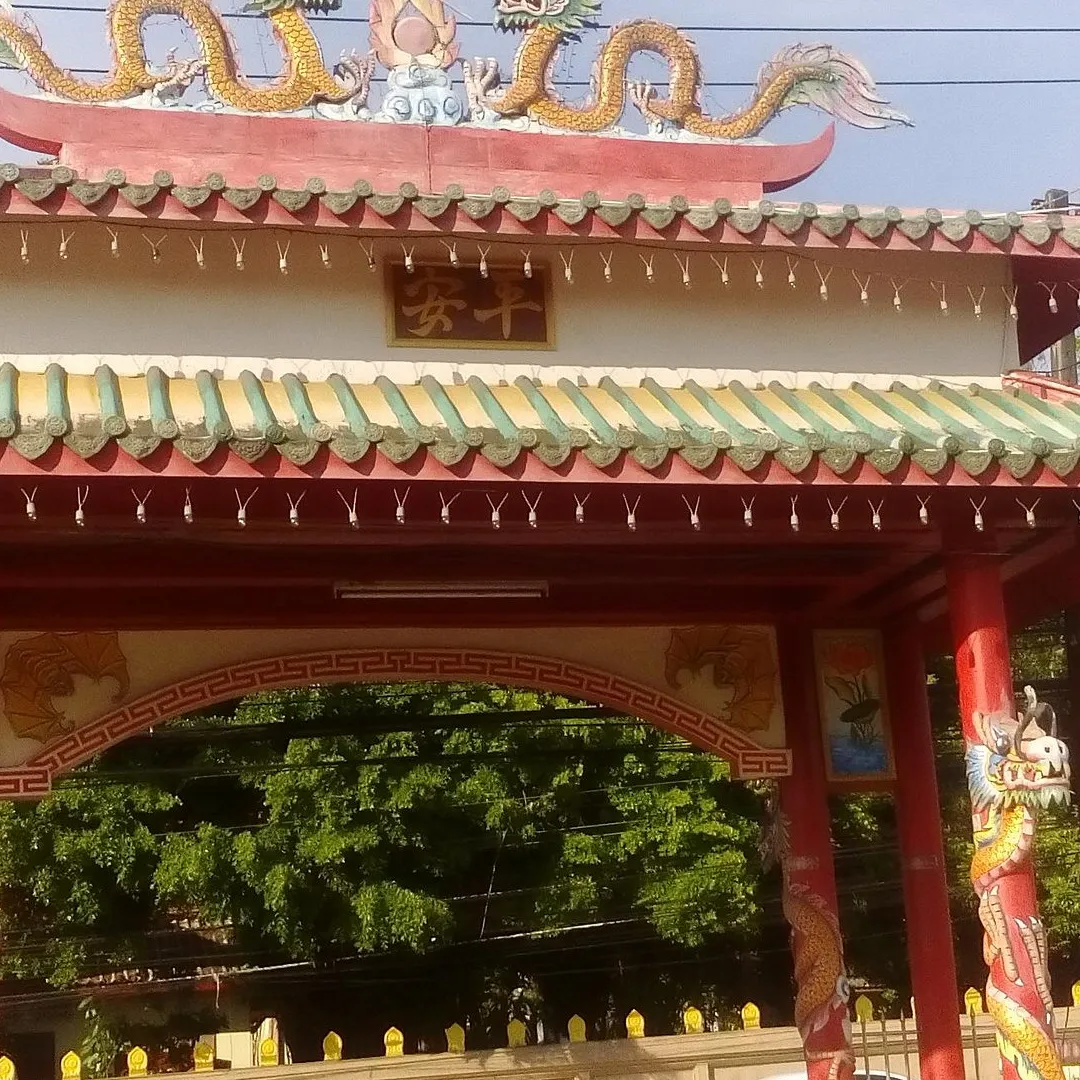
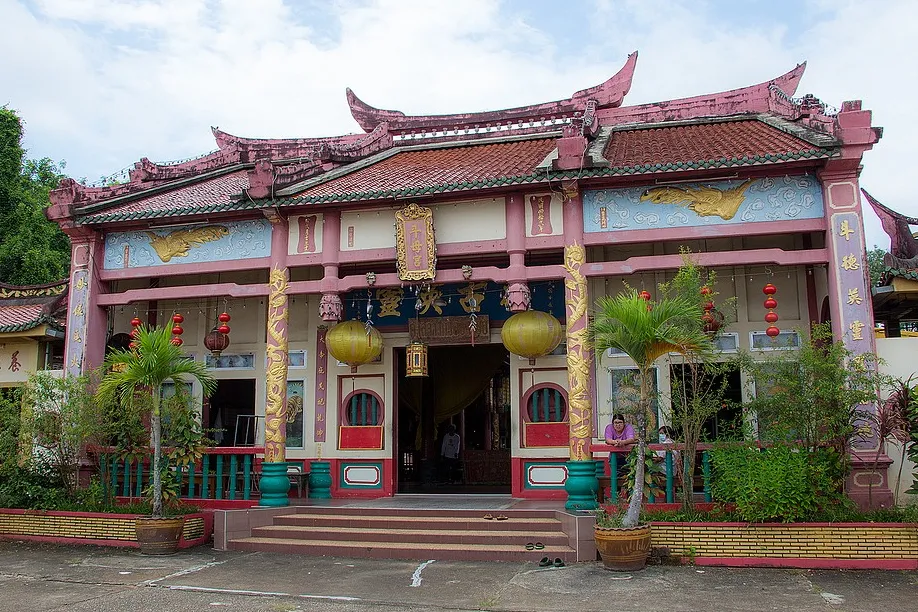
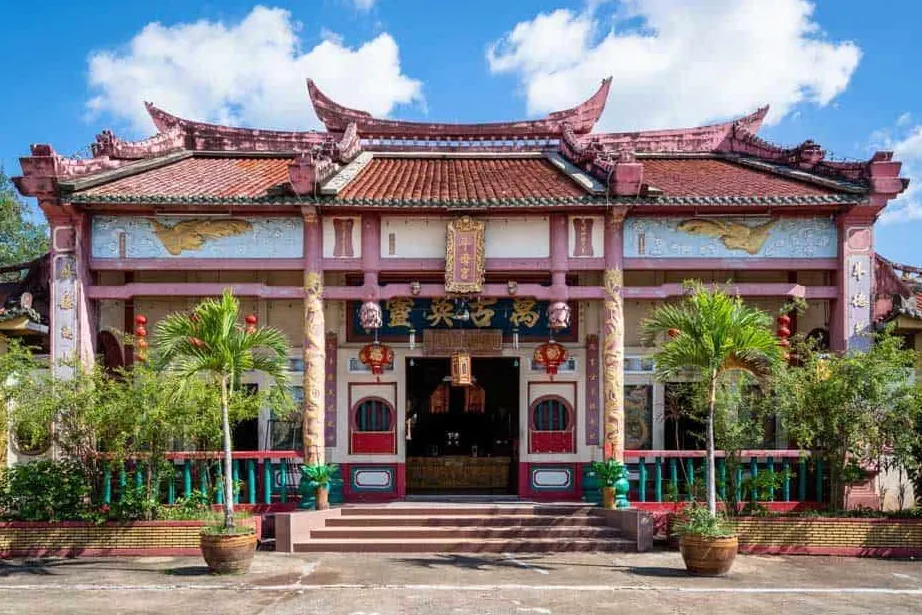
Audio Guide of Kew Ong Ear Shrine

A vibrant Taoist shrine that serves as a spiritual and cultural center for the Chinese community in Trang, Thailand.

✓ What guidebooks don't tell you
✓ Secrets other tourists miss
✓ Listen while you explore
Discover everything
00:00
00:00
Rate this audio guide

📖 Audio Guide Chapters

6 chapters

1. Introduction and History

🔒 Premium Content

Subscribe to access all chapters of this audio guide.

2. Architecture and Design

🔒 Premium Content

Subscribe to access all chapters of this audio guide.

3. Art and Decoration

🔒 Premium Content

Subscribe to access all chapters of this audio guide.

4. Historical Figures

🔒 Premium Content

Subscribe to access all chapters of this audio guide.

5. Curiosities and Legends

🔒 Premium Content

Subscribe to access all chapters of this audio guide.

6. Cultural Importance and Legacy

🔒 Premium Content

Subscribe to access all chapters of this audio guide.

❓ Frequently Asked Questions

When is Kew Ong Ear Shrine open and how can I visit it?

Kew Ong Ear Shrine is generally open every day from early morning, around 8:00 AM, until approximately 5:00 PM. It is located in the city of Trang and is easily accessible by car, taxi, or tuk-tuk from anywhere in town. No advance booking is required; you can visit directly during opening hours.

Do I need to pay an entrance fee to visit the shrine?

Admission to Kew Ong Ear Shrine is free for all visitors. However, as it is an active and highly valued place of worship, voluntary donations are accepted for the upkeep of the complex. You can find a donation box at the entrance or in the shrine’s main area.

How much time do I need to visit the shrine?

For a full visit, where you can explore the shrine, observe the architectural details, and make an offering, we recommend allowing 30 to 45 minutes. If you enjoy taking photos or simply soaking in the atmosphere, you could easily spend an hour there. It is a place best enjoyed at a relaxed pace.

What is the history or significance of Kew Ong Ear Shrine?

This shrine is of great importance to Trang’s Chinese community and honors the memory of Mr. Kew Ong Ear, an official of the Qing dynasty who was sent to Siam (Thailand) to help suppress a rebellion in the Trang region. He is regarded as a guardian spirit who protects the city and its inhabitants. His story is deeply connected to the origin and development of the Chinese community in this part of Thailand.

What is the best time to visit Kew Ong Ear Shrine?

The best time of day is in the morning, before the midday heat becomes intense, or late in the afternoon. If you want a livelier experience, visit on weekends or local holidays, when the shrine is full of activity and worshippers. The most pleasant weather season in Trang is between November and February.

Is the shrine accessible for people with reduced mobility?

The main shrine is set on an elevated structure reached by a staircase, which may make access difficult for wheelchair users or people with mobility issues. However, the outer area and courtyards are mostly flat and accessible. For more specific accessibility details, it is best to contact the shrine directly.

What other attractions or interesting places are near the shrine?

Kew Ong Ear Shrine is located in the heart of Trang, very close to the famous Clock Tower Square and the lively Trang Walking Street, which comes alive at night with food markets. You can also visit the Cathedral of the Immaculate Conception, a beautiful colonial church within walking distance.

What practical tips should you know before going?

Dress respectfully, covering your shoulders and knees, as this is a sacred place. Bring cash for donations or to buy souvenirs nearby, as there are no ATMs at the shrine. Finally, remember to remove your shoes before entering the shrine’s main area, a traditional custom in most places of worship in Asia.

¿Prefieres escuchar en español?

🇪🇸 Escucha la audioguía de Kew Ong Ear Shrine en español