No te vayas sin conocer la historia Suscribete
IAudioGuia iaudioguia
Audio Guides of Ratchaburi

Audio Guide of Damnoen Saduak Floating Market

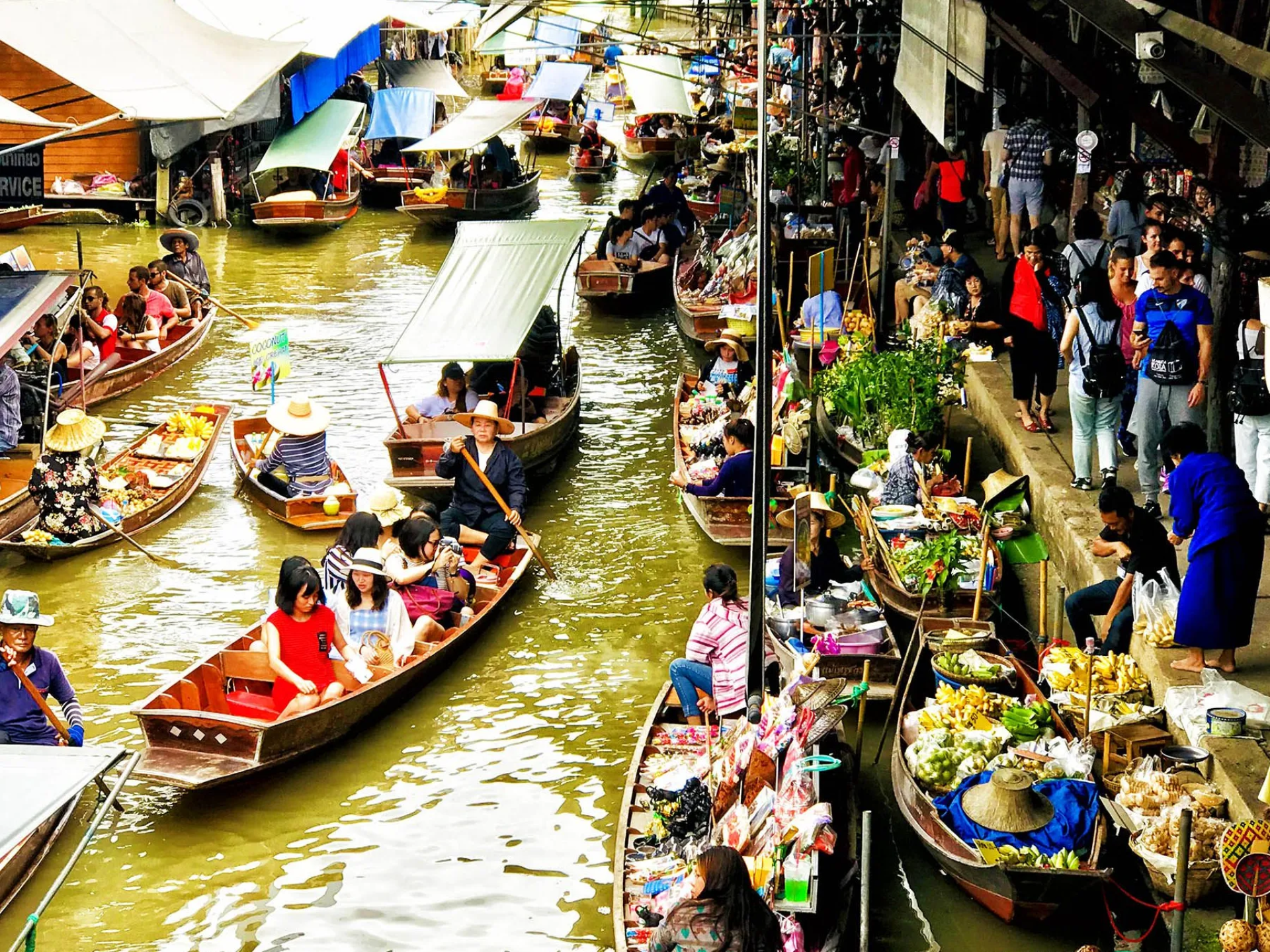
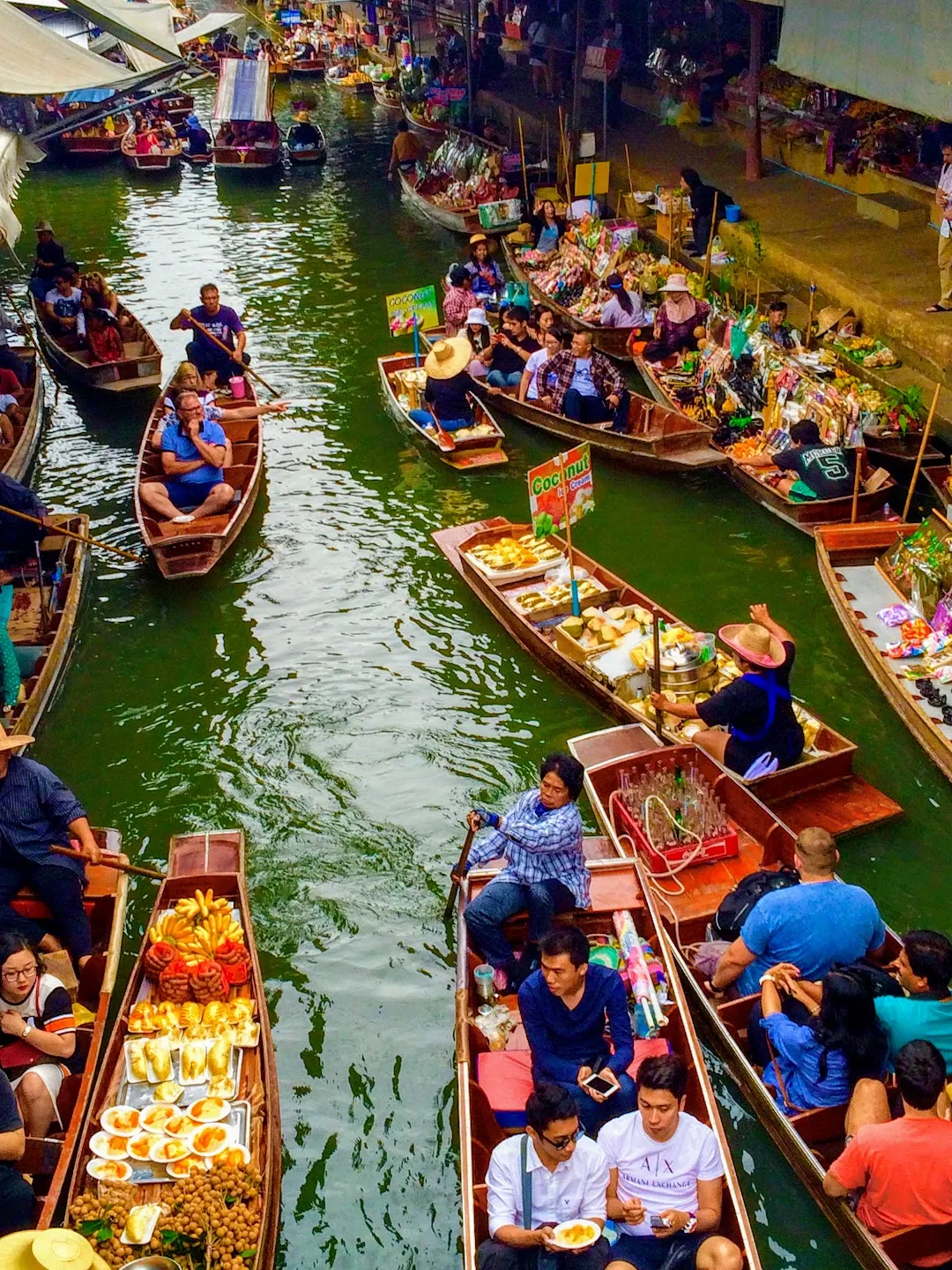
Un vibrante laberinto de canales en Ratchaburi, Tailandia, donde barcos cargados de frutas, artesanías y delicias locales surcan las aguas, evocando siglos de comercio fluvial tailandés.

✓ What guidebooks don't tell you
✓ Secrets other tourists miss
✓ Listen while you explore
Discover everything
00:00
00:00

📖 Audio Guide Chapters

6 chapters

1. Introduction and History

🔒 Premium Content

Subscribe to access all chapters of this audio guide.

2. Architecture and Design

🔒 Premium Content

Subscribe to access all chapters of this audio guide.

3. Art and Decoration

🔒 Premium Content

Subscribe to access all chapters of this audio guide.

4. Historical Figures

🔒 Premium Content

Subscribe to access all chapters of this audio guide.

5. Curiosities and Legends

🔒 Premium Content

Subscribe to access all chapters of this audio guide.

6. Cultural Importance and Legacy

🔒 Premium Content

Subscribe to access all chapters of this audio guide.

❓ Frequently Asked Questions

When is the floating market open and what is the best way to get there from Bangkok?

The market is open every day from 7:00 a.m. to 5:00 p.m. The most practical way to get there from Bangkok is by private van or taxi (1.5 hours). Public buses also depart from Bangkok's Southern Bus Terminal (Bangkok Bus Terminal). We recommend arriving before 9:00 a.m. to avoid the crowds.

Is there an entrance fee to the Damnoen Saduak floating market?

Entry to the market is free, but boat rides have a cost (500-1500 THB depending on duration and group size). Official prices are published on the Tourism Thailand site. Bring cash to negotiate with the local boatmen.

How much time is recommended for the visit?

The ideal is to set aside 2-3 hours: 1 hour for the boat ride, 1 hour to explore the land-based stalls and extra time to taste local food. If you plan to buy crafts or take detailed photos, add another 30 minutes.

What historical significance does this floating market have?

Founded in 1866 by King Rama IV, it was a vital hub for trade in rice and fruit between the communities along the Damnoen Saduak canal (32 km long). Today it preserves the Thai tradition of water markets, recognized as intangible cultural heritage by UNESCO.

What time of year and what time of day is best to visit?

The best time is during the dry season (November to February). The ideal moment is between 7:00 a.m. and 10:00 a.m.: there are fewer tourists, the temperature is pleasant and you'll see authentic commercial activity with local suppliers.

Is it accessible for people with reduced mobility?

The land area has limited accessibility (narrow walkways and uneven ground). Traditional boat rides are not adapted for wheelchairs. There is an accessible viewpoint with a panoramic view of the main market.

What other interesting places are near the market?

30 minutes away is the Maeklong Railway Market (a train passing between stalls) and the Wat Bang Kung temple (trees swallowing a temple). You can also visit coconut farms and artisan workshops making khon (traditional Thai masks).

What practical tips would you give to first-time visitors?

1) Bring cash in baht (few stalls accept cards) 2) Wear waterproof footwear and sunscreen 3) Negotiate prices kindly (it's customary) 4) Try the pad thai cooked on the boats and mango with sticky rice. Avoid mass tours to enjoy an authentic experience!

¿Prefieres escuchar en español?

🇪🇸 Escucha la audioguía de Damnoen Saduak Floating Market en español