No te vayas sin conocer la historia Suscribete
IAudioGuia iaudioguia
Audio Guides of Nakhon Si Thammarat

Audio Guide of Giant Chedi

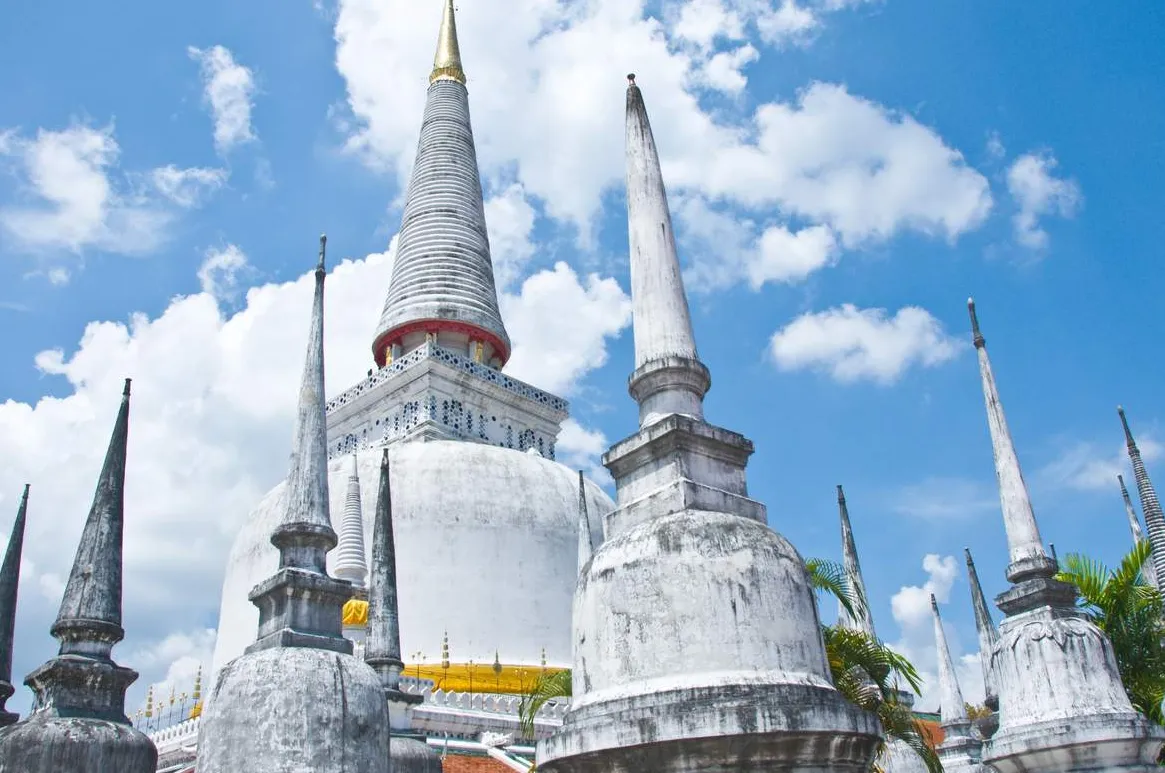
Imposing Buddhist stupa at Wat Phra Mahathat Woramahawihan temple in Nakhon Si Thammarat, Thailand. A symbol of southern Theravada Buddhism, with sacred relics and architecture that evokes centuries of devotion.

✓ What guidebooks don't tell you
✓ Secrets other tourists miss
✓ Listen while you explore
Discover everything
00:00
00:00
Rate this audio guide

📖 Audio Guide Chapters

6 chapters

1. Welcome to the Giant Chedi

🔒 Premium Content

Subscribe to access all chapters of this audio guide.

2. The Architecture of the Giant Chedi

🔒 Premium Content

Subscribe to access all chapters of this audio guide.

3. History and Figures of the Giant Chedi

🔒 Premium Content

Subscribe to access all chapters of this audio guide.

4. Art and Details of the Giant Chedi

🔒 Premium Content

Subscribe to access all chapters of this audio guide.

5. Secrets and Curiosities

🔒 Premium Content

Subscribe to access all chapters of this audio guide.

6. Farewell and Recommendations

🔒 Premium Content

Subscribe to access all chapters of this audio guide.

❓ Frequently Asked Questions

What are the opening hours of Giant Chedi in Nakhon Si Thammarat and how can I get there?

Giant Chedi, part of Wat Phra Mahathat Woramahawihan, is open daily from 6:00 to 18:00. You can get there by taxi from central Nakhon Si Thammarat or by local bus; the official tourism site recommends renting a motorbike for greater flexibility. For more details, visit the Tourism Thailand website.

How much does admission to Giant Chedi cost, and are there any additional fees?

Admission to Giant Chedi is free for all visitors, although a voluntary donation is suggested for the upkeep of the temple. There are no extra charges to access the main chedi, but if you hire a local guide, it may cost around 200-300 baht. Check for updates at TAT News.

How much time is needed to visit Giant Chedi?

It is recommended to allow at least 1-2 hours to explore the chedi and its surroundings, including time to admire the carvings and legends. If you are a curious visitor, you might extend it to 3 hours if you include a short meditation or photos. It is a compact site, ideal for a relaxed morning visit.

What is the history or cultural significance of Giant Chedi?

Giant Chedi is a sacred 13th-century stupa that houses relics of the Buddha, symbolizing local legends of giants and gods who protected the region according to ancient Thai accounts. It is part of the Wat Phra Mahathat complex, a key Buddhist center in southern Thailand, representing the fusion of Indian and local influences in architecture. Its importance lies in being one of the oldest and most revered chedis in the country.

What is the best time of year or day to visit Giant Chedi?

The best time is during the dry season from November to April, when the weather is more pleasant and there is less rain; avoid the monsoon season from May to October. During the day, go early in the morning, around 7:00, to avoid the heat and enjoy soft light for photos. During festivals such as Songkran in April, the site comes alive with cultural events.

Is Giant Chedi accessible for people with reduced mobility?

The main access involves climbing several steps, which can be challenging for wheelchairs, although there are partial ramps in some temple areas. It is recommended to contact the temple in advance for assistance; it is not fully accessible, but local guides may help. For more information about accessibility in Thailand, see Accessible Tourism on Tourism Thailand.

What other attractions are near Giant Chedi in Nakhon Si Thammarat?

Nearby you will find the Nakhon Si Thammarat National Museum, just a 10-minute walk away, with local artifacts, and the Nakhon Si Thammarat night market for sampling street food. You can also visit Pak Meng Beach about 30 km to the south for a relaxing contrast. Combine your visit with a guided tour to make the most of the day; more suggestions at Lonely Planet.

What are some practical tips for my visit to Giant Chedi?

Wear modest clothing, covering shoulders and knees, to respect the sacred site, and remove your shoes before entering the inner areas. Bring water and sunscreen, as it can be hot, and consider downloading a Thai translation app to interact with locals. If you are traveling in a group, an audio guide like those from iAudioguia can enrich your experience with stories of giants and gods.

¿Prefieres escuchar en español?

🇪🇸 Escucha la audioguía de Giant Chedi en español